Gender Lens Africa
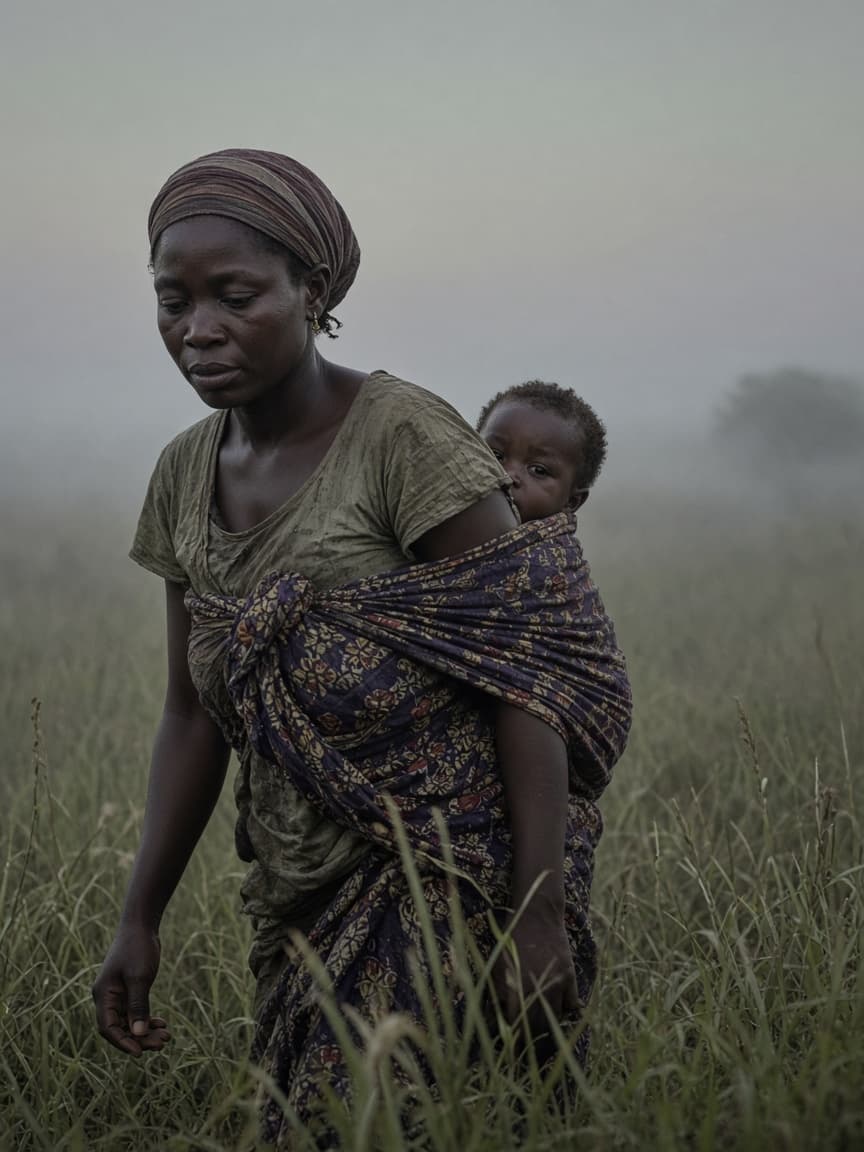
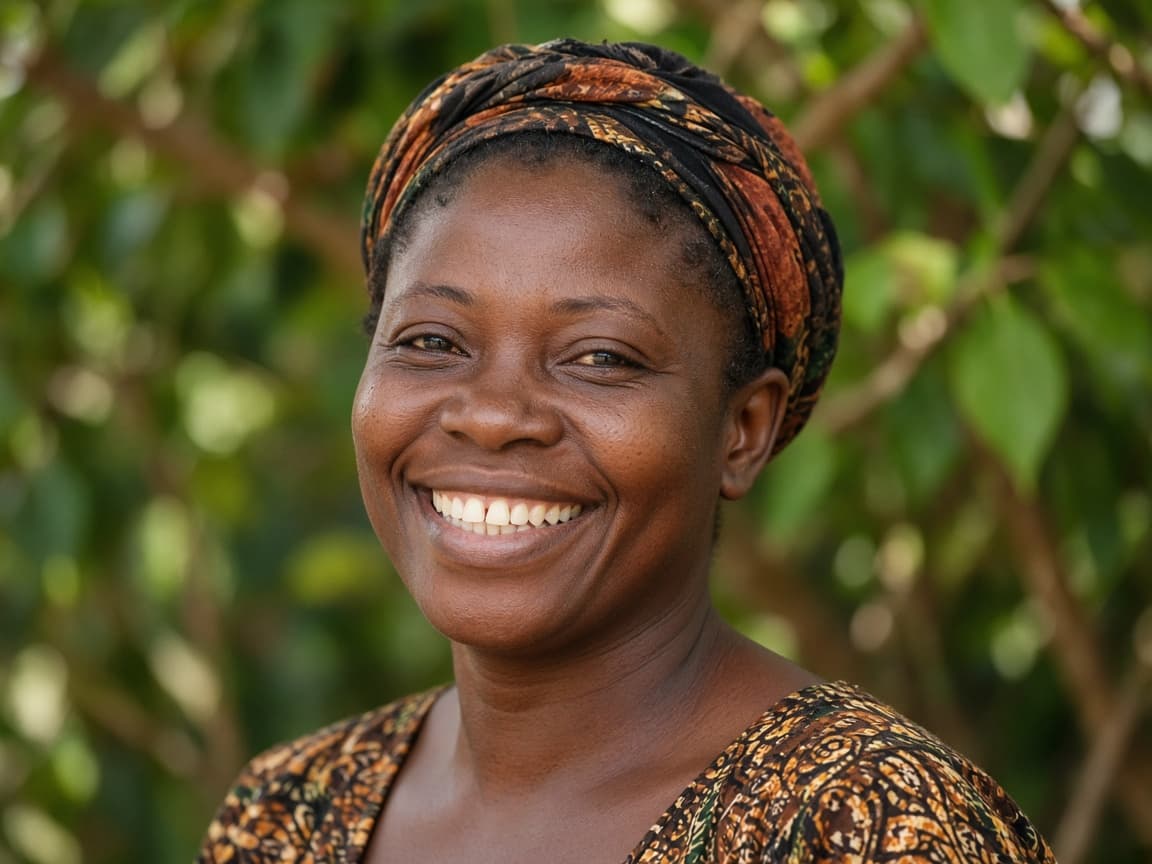
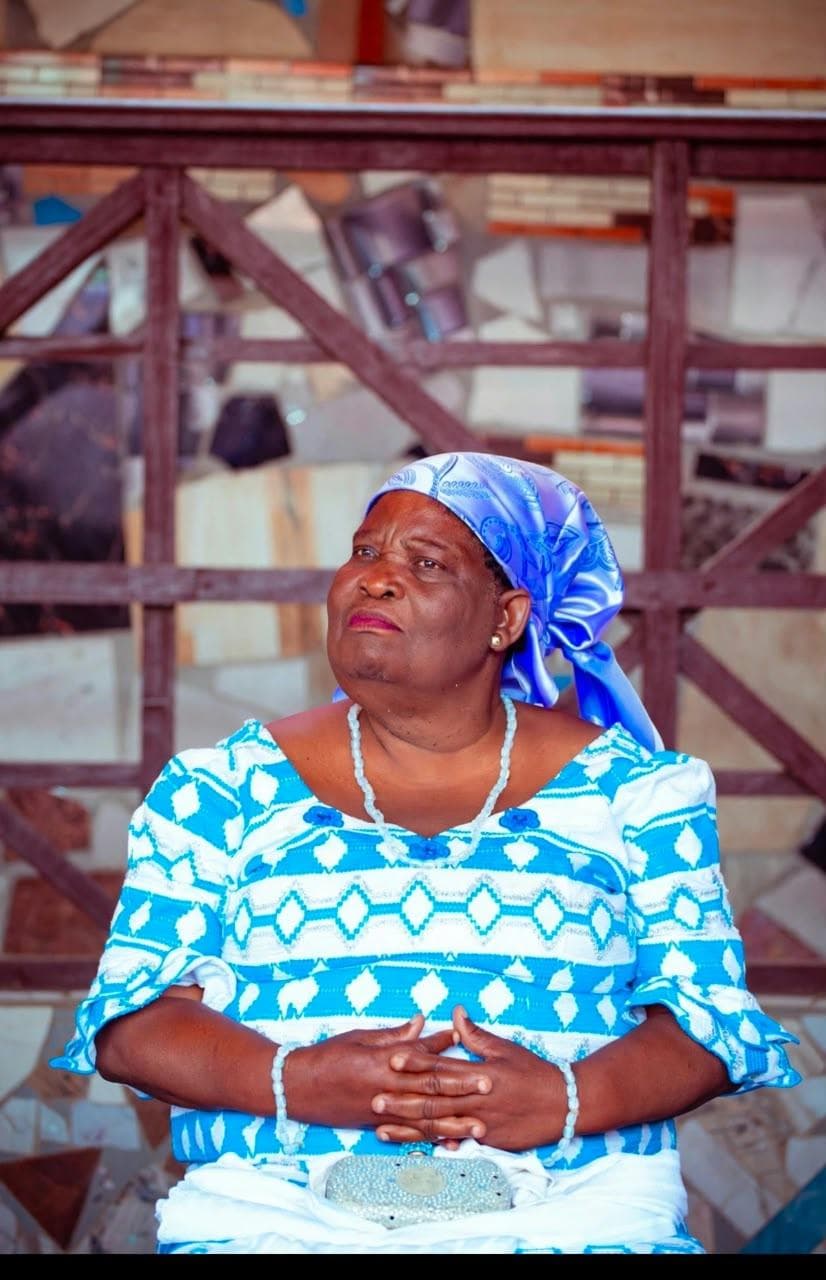
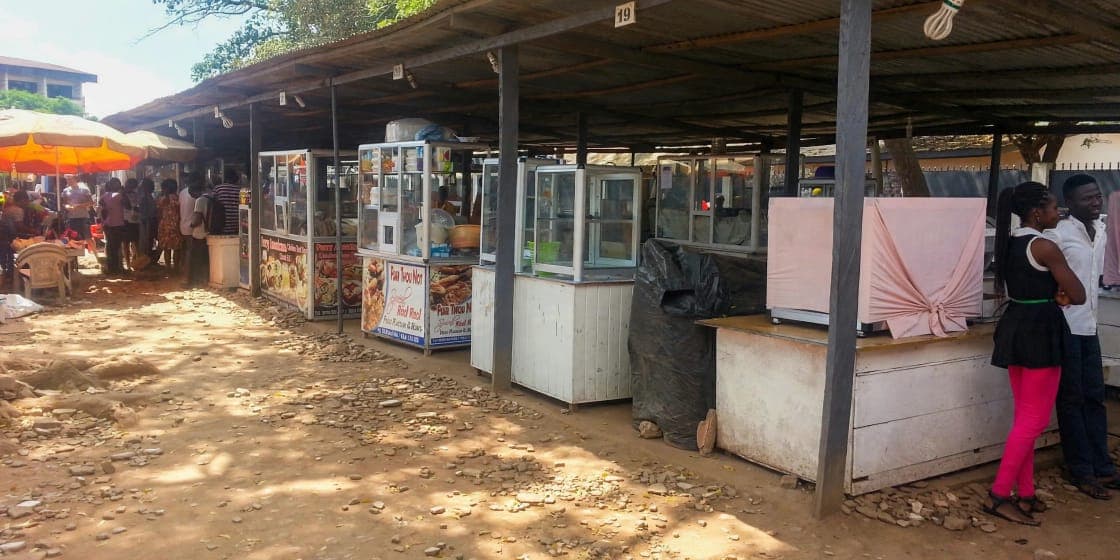
Esi Kangaroo and the Economy she Ran
Accra · Tuesday, 10 November 2026
Money
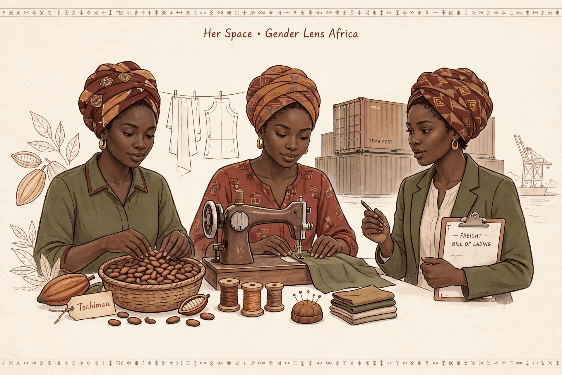
She crossed borders before sunrise, fed a neighbourhood during COVID, and raised graduates. Ghana runs on women like her.
Read the story →0105
Latest Stories
Data & Research
Data Lens uses published figures to test claims and deepen reporting.
79%
Four in five Africans (79%) say they or a family member went without a cash income at least once in the past year. That money gap sits behind every pad a girl cannot buy. Gender Lens Africa graphic. Sources: Afrobarometer and Frontiers in Reproductive Health.
Ghana Statistical Service, 2022 Demographic and Health Survey, inHawa Koomson wants to give every woman pepper spray. Ghana's data shows why it won't be enoughView methodology
- Data story2 Nov 202683% of new HIV infections among Ghanaian youth are young women but prevention only reaches 3 regionsYoung people accounted for 27.5 per cent of Ghana's new HIV infections in 2025. But the country's 2024 HIV estimates reveal a stark gender imbalance: females accounted for 83.1 per cent of new infections among 15 to 24-year-olds. The figures raise urgent questions about whether prevention services are reaching the young women most at risk.
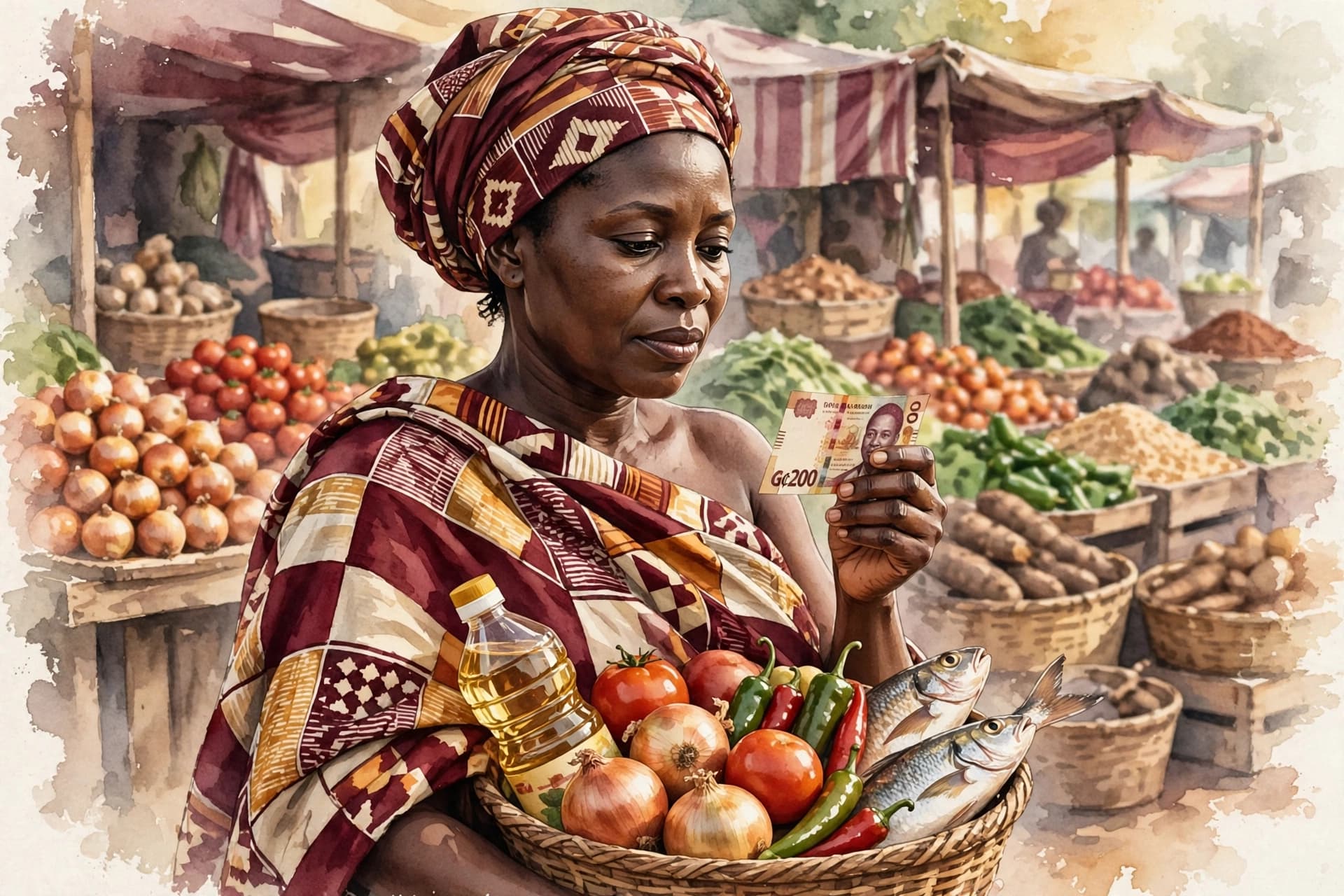
- Infographic7 Nov 2026Inflation is the speed, not the price: Why Ghanaians still feel the cost of livingGhana’s inflation rate has fallen sharply from the highs recorded during the 2022 economic crisis. But with inflation rising for a third consecutive month to 5.5 per cent in October 2026, and many household essentials still expensive, what does the headline figure really tell us? Understanding the difference between inflation, prices and purchasing power helps explain why an improving economic indicator does not always feel like an improving household budget.
Voices

Gender is not a beat we visit on occasion. It is the lens we report every story through.
Explore
CSW Desk
Tracking the Commission on the Status of Women and what it means for Africa.
Explore CSW Desk →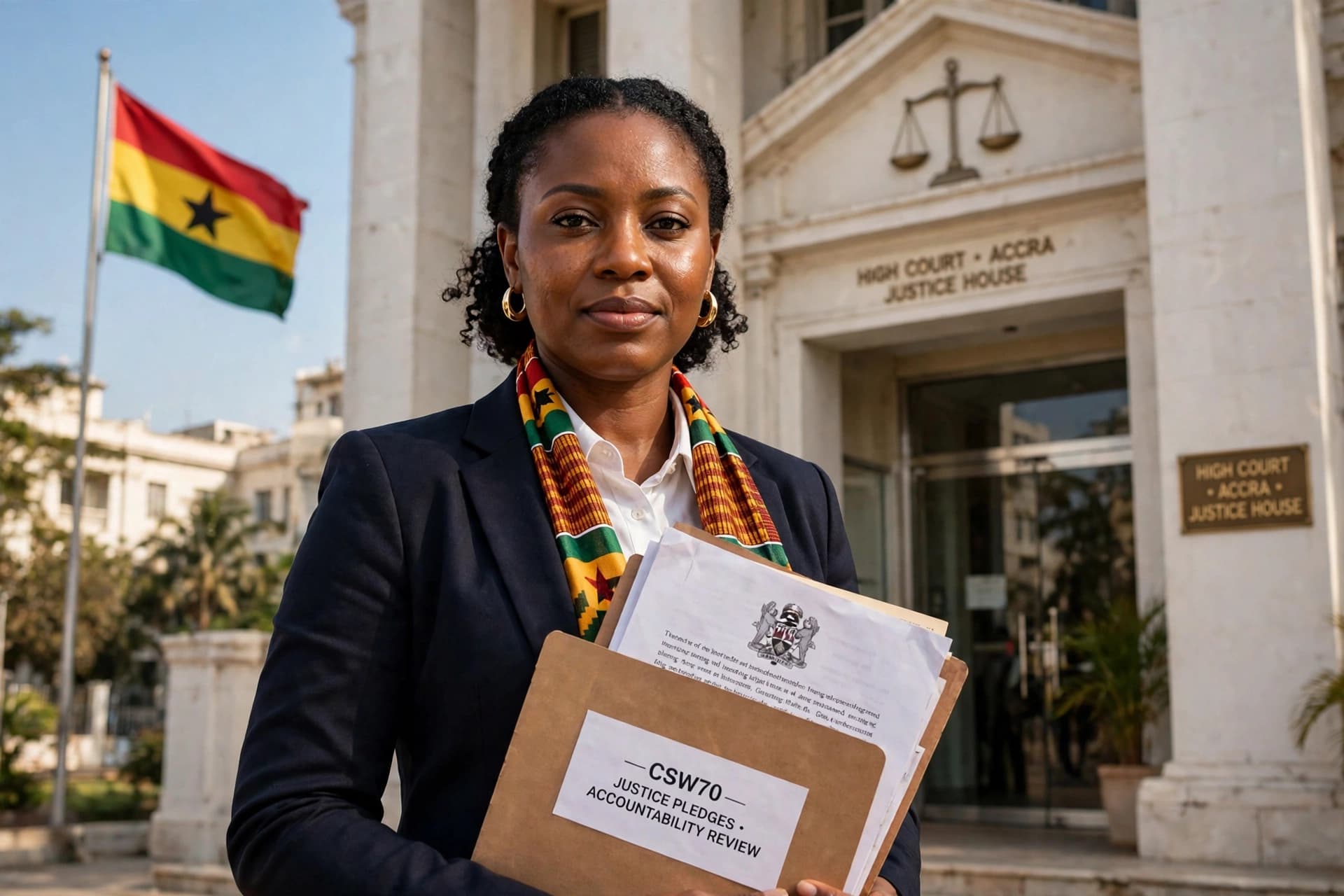
Did Ghana keep its CSW70 justice pledges? A scorecard nearly eight months on
Ghana’s Gender Minister told the UN Commission on the Status of Women that the country was strengthening access to justice for women and girls. Nearly eight months later, the laws and institutional structures are largely in place, but evidence of their impact on women’s access to justice remains incomplete.
Unpaid care work in Africa: who pays for what women do for free?
Kenya and Cabo Verde have both written care into national policy. Their numbers show how far a policy goes before money and men’s time are needed.
Women in Ghana’s political parties: who actually holds the power?
The NDC’s constituency elections put women into party office. Ghana now has to ask what power those offices carry, and who decides.
Ghana’s Parliament needs 43 more women MPs to meet the 30% affirmative action target
Women who contested Ghana’s 2024 parliamentary elections were about as likely as men to win a seat. The disparity lies earlier in the process: how many women parties nominate and which constituencies they choose to contest.
Ghana signed it in 2007. What has the Maputo Protocol delivered for women?
The African Union treaty sets duties on violence, marriage, health, property and politics. Ghana ratified it in 2007. Here is what it requires and where to look.
CSW70: Ghana already has the laws on justice for women, the test is whether women can use them
Governments agreed new justice commitments for women in March 2026. Ghana already has laws on equality and violence. The test is whether women can use them.
Essays, portraits and intimate storytelling about the lives of women across the continent.