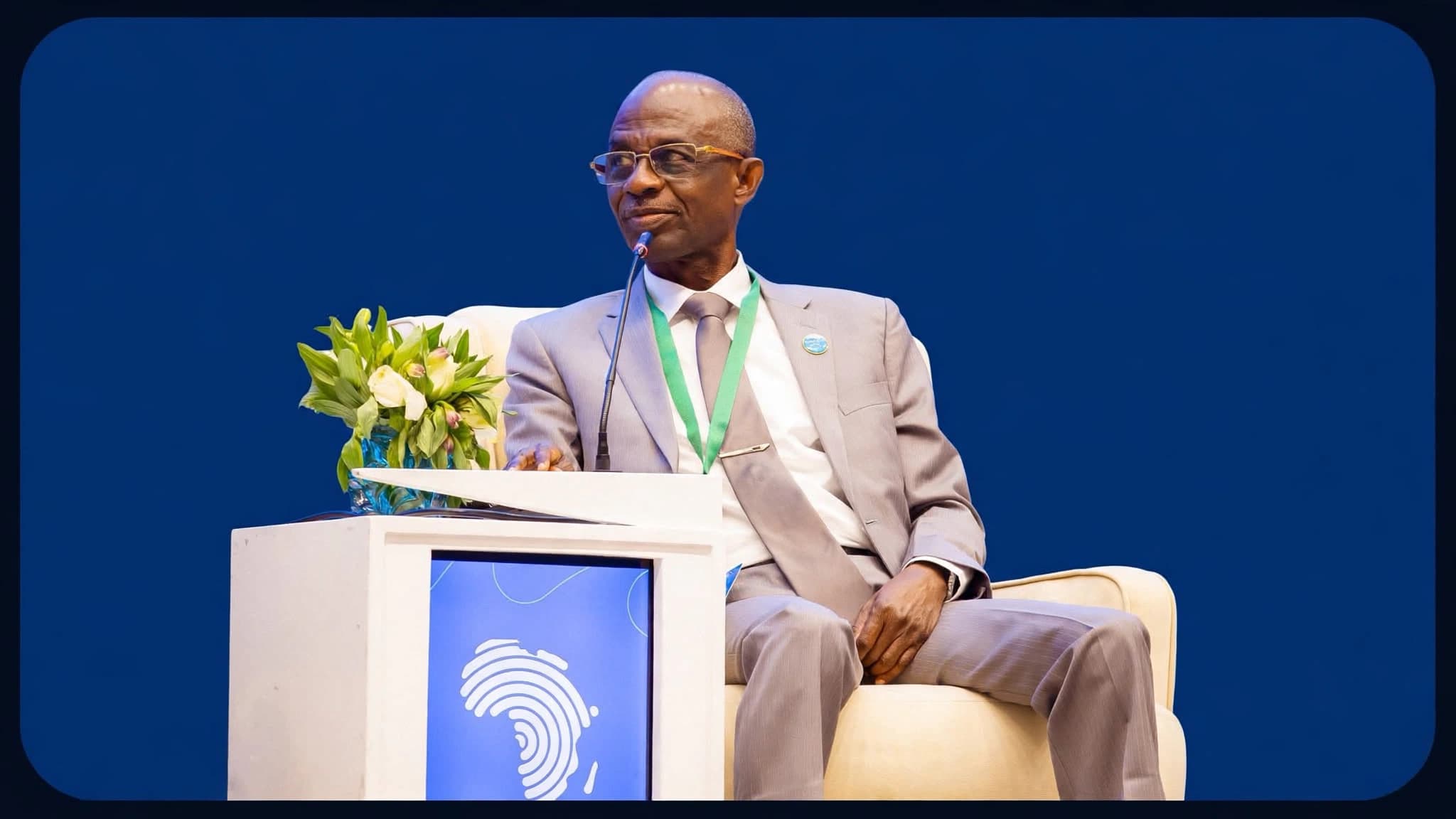
Accra, Ghana, November 7, 2026: Ghana’s National Democratic Congress (NDC) National Chairman, Hon. Johnson Asiedu Nketiah (General Mosquito), has been elected the inaugural Chairman of the African Political Parties Initiative (APPI), following the endorsement of the initiative’s first leadership in Addis Ababa, Ethiopia.
His appointment was confirmed on Saturday, 7 November 2026, during the Second African Political Parties Summit, where delegates from across the continent endorsed the inaugural APPI Bureau Leadership for a three-year term.
Hon. Asiedu Nketiah was nominated by an interim committee and unanimously approved by participating political parties, placing him at the head of a continental platform seeking to redefine the role of political parties in Africa's governance and economic development.
In his acceptance address, he challenged political parties to look beyond electoral victories and take greater responsibility for preparing the continent for its long-term economic future.
He questioned whether political parties were prepared to become architects of Africa's economic transformation or would remain primarily organisations focused on winning elections.
He argued that political parties must develop the expertise and institutional capacity required to govern, including a stronger understanding of agriculture, trade, energy, technology and public finance.
Addressing Africa's employment challenge, Mr Asiedu Nketiah cited estimates that between 10 million and 12 million young Africans enter the labour market annually, while approximately three million formal jobs are created to absorb them.
He argued that addressing this gap requires more than electoral promises. Political parties, he said, must invest in policy development and build the technical knowledge needed to support productive economies.
He also cautioned against the loss of institutional knowledge and the abandonment of effective policies whenever political power changes hands, calling for governments to preserve and build on what works across political transitions.
Women and young people in decision-making
For women and young people, one of the important issues raised in his address was the need to move beyond political mobilisation and gain meaningful access to decision-making structures.
Hon. Asiedu Nketiah called for women and young people to participate in the spaces where policies are developed, resources are allocated and political authority is exercised.
He maintained that Africa could not afford to exclude significant sections of its population from decisions shaping the continent's future.
The call places questions of representation and political participation within the broader conversation about institutional development, particularly the extent to which political parties create opportunities for women to influence policy and resource allocation rather than limiting their involvement to campaign activities.
Looking towards Agenda 2040
The newly constituted APPI leadership is expected to advance consultations towards the development of APPI Agenda 2040, a proposed framework to guide participating political parties on institutional capacity, leadership development and Africa's long-term political and economic priorities.
Hon. Asiedu Nketiah identified party schools, policy institutes, research institutions and mechanisms for preserving institutional memory as important investments for political organisations seeking to prepare future governments.
He also acknowledged the Africa Governance Centre for establishing the initiative and bringing political parties from across the continent together.
The Addis Ababa summit concluded with the adoption of the Addis Ababa Declaration, setting out a continental framework for strengthening political leadership, democratic governance and the contribution of political parties to economic transformation.
Hon. Asiedu Nketiah will lead the initiative's inaugural leadership as it begins work on its continental agenda.
For African women, however, the significance of this ambition will also be measured by whether the promised inclusion translates into meaningful influence over the policies, budgets and institutions that shape their lives.