Accra, Ghana, October 26, 2026: Counting women in Ghana’s political parties is necessary. It is not enough. A party can fill its executive with women and still keep the money, the strategy and the choice of candidates in other hands.
That tension sits behind this weekend’s National Democratic Congress (NDC) constituency elections. On Saturday 24 and Sunday 25 October, about 15,000 aspirants were expected to contest executive posts across the party’s 276 constituencies. The winners will mobilise voters for the 2028 general election.
The NDC is scheduled to elect its regional executives on 14 and 15 November, ahead of its national congress on 19 December 2026. Women’s place in each of those rooms depends on two questions: how many won, and what can they do now they hold the post?
What the first NDC results show
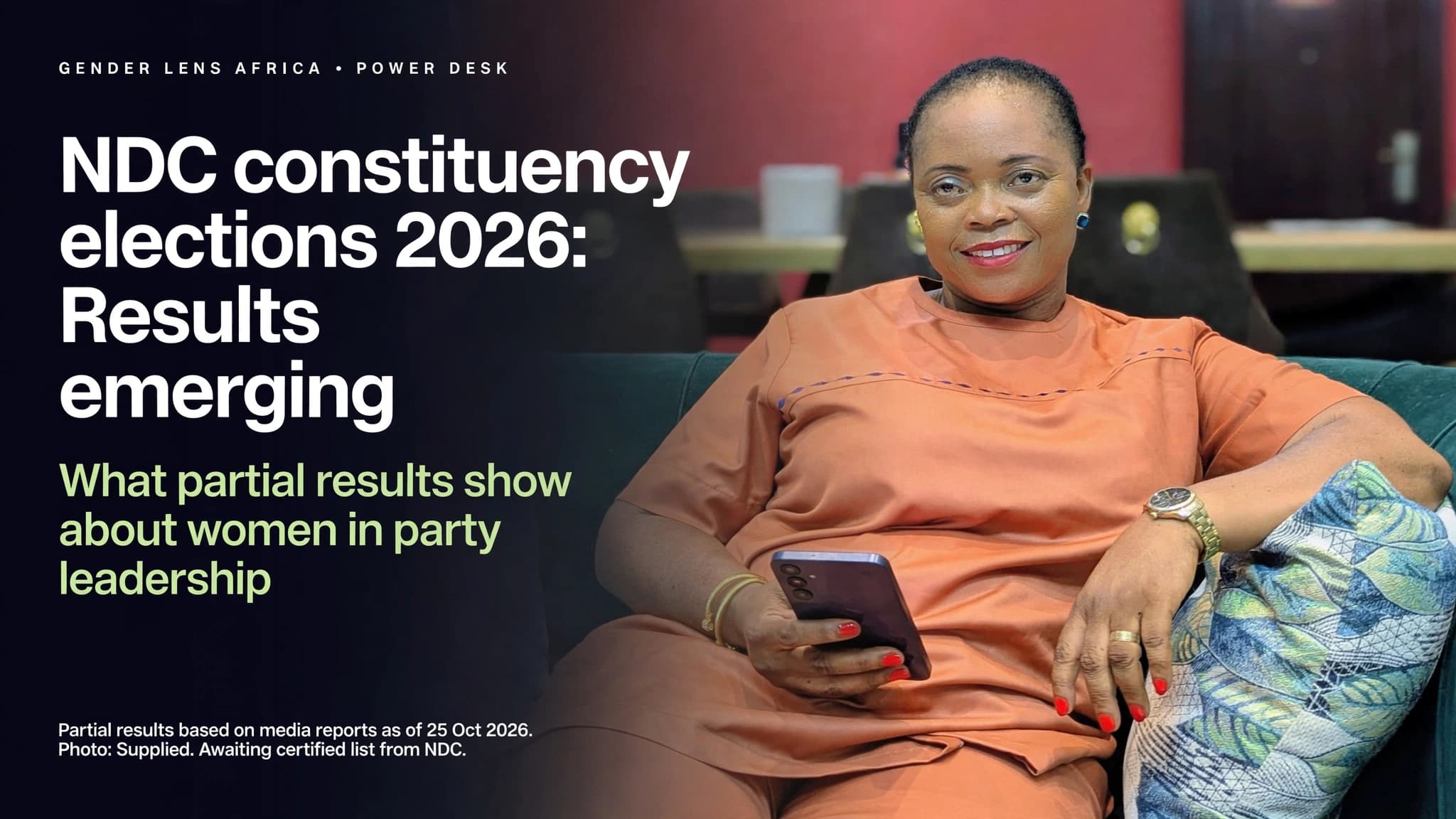
The count is incomplete. The NDC has not published a national breakdown of winners by sex and position, so nobody can yet say how women fared across all 276 constituencies. What exists is a patchwork of media reports.
Graphic Online has published executive slates for 15 constituencies, among them Ablekuma North, Akatsi South, Sekondi and Ketu South. Every one of the 15 chairmen is a man. A woman holds the secretary post in one, Ablekuma North, where Nadia Gifty Tetteh kept her seat.
Women are also treasurers in three: Sekondi, Ayawaso West Wuogon and Ketu South. Each slate lists a women’s organiser, and most list a deputy.
This is a small and unscientific sample. Graphic chose which results to print, and 15 is about one constituency in 18. I offer it as a prompt for the full count, not as a verdict.
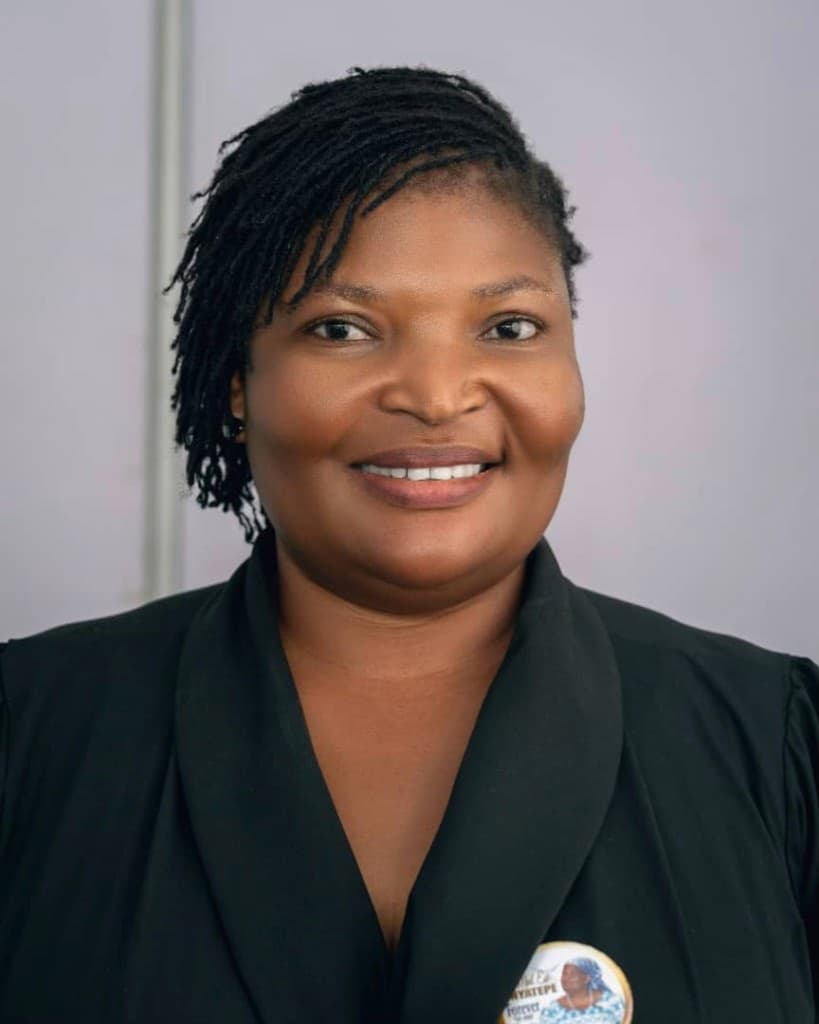
One result has already drawn attention. Adom Online reported that Sena Setordzi Dorvlo made history in Ho Central as the first woman elected vice chairperson of the constituency, in a vote at Ola SHS on 24 October.
Before the vote, she told the Ghana News Agency that she was contesting the vice-chairperson position because no woman had ever stood for it in Ho Central. That detail matters.
Why the number of women in politics still matters
Numbers expose exclusion. They set a baseline and hold parties to their promises. Without them, every success story is an anecdote and every complaint is an opinion.
Ghana’s record shows how early the gap opens. In the 2024 general election, 118 of 918 parliamentary candidates were women, about 12.8 per cent. Two researchers argue that women win in proportion to the share who stand. Fewer women on the ballot meant fewer in the House.
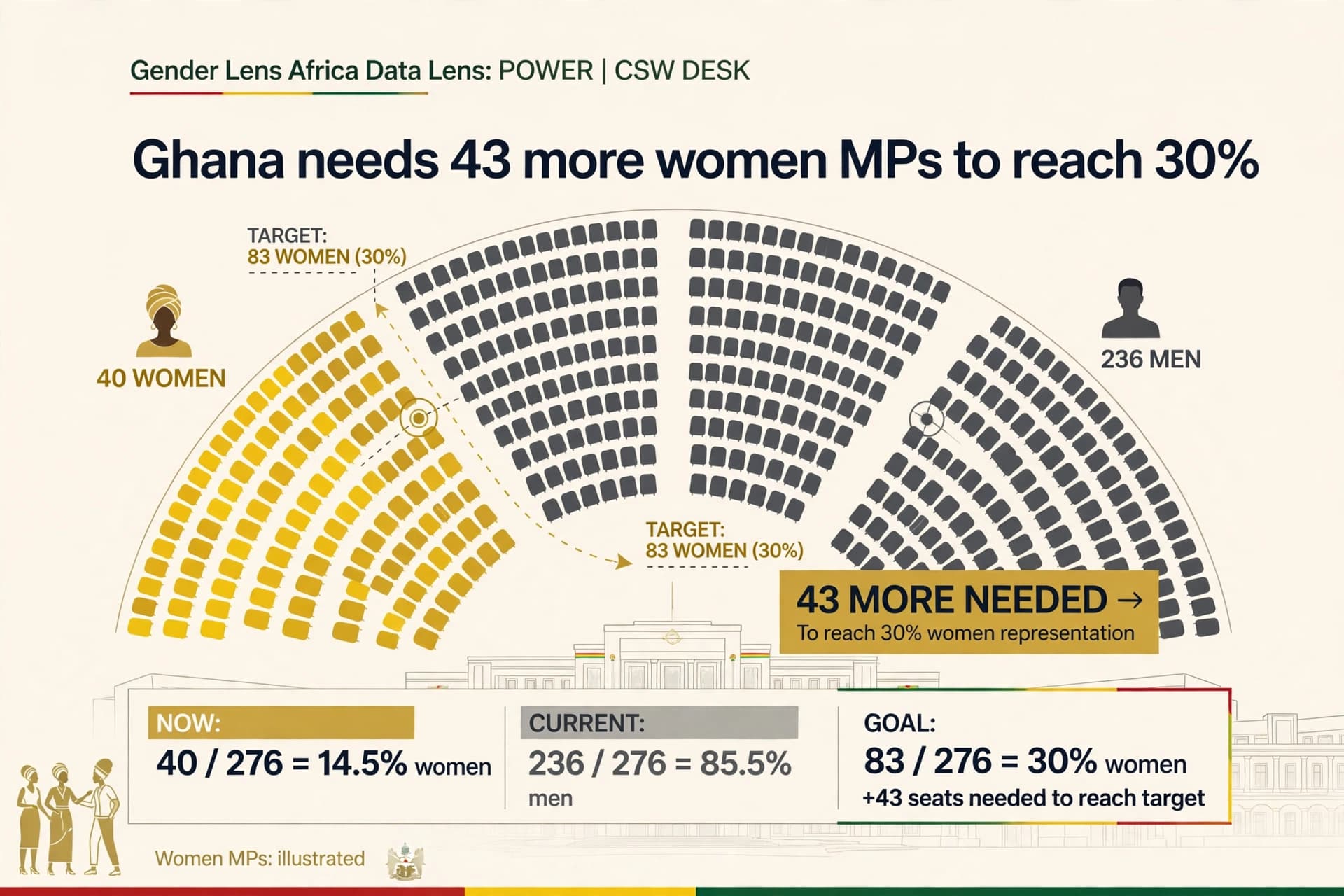
Parliament now has 40 women among its 276 members, or 14.5 per cent. The grassroots is no better. Only 4.1 per cent of assembly members elected in the 2023 district-level elections were women, according to Graphic’s report on the signing of the Affirmative Action Act.
So counting is not old-fashioned. Counting is where accountability starts. My argument is that it stops too soon.
Women’s representation versus women’s power: what is the difference?
Representation means women are present in a decision-making body. Power means they can change what that body decides. Political scientists call the first descriptive representation and the second substantive representation. In plain terms: who is in the room, and who shapes what happens in it.
The two can come apart. A woman can hold a title and have no say over the budget. She can attend every meeting and find the agenda settled before she arrives. Another woman, in a quieter post, can steer a whole constituency because delegates trust her.
Ghana’s parties give this a practical edge. Take the treasurer. In most organisations the post keeps the accounts, but whether it controls spending depends on party rules that members rarely see. Ahead of an earlier round of NDC internal elections, a civil society group urged delegates to look past the treasurer and women’s organiser posts that women usually hold.
The women’s organiser role adds another layer. It gives women a seat and a voice on women’s issues, and it matters. But a party that points to that post as proof of inclusion has answered the wrong question. Women should be able to compete for every office, and win.
What Act 1121 asks of political parties
Ghana has put the principle into law. The Affirmative Action (Gender Equity) Act, 2024 (Act 1121) includes provisions on political parties and the representation of women, and a schedule of strategies for gender equity in relation to parties.
When the Act was signed, Graphic reported that parties were expected to meet progressive targets, provide information and financial resources for gender equality work, and report progress to the Electoral Commission (EC). Those duties point at power as well as headcount.
A party can reach a target and still starve its women of resources. It would then have met the number and missed the purpose. Parties should publish whatever they file with the EC under the Act, because the public cannot hold anyone to a rule it cannot read.
Five questions that measure women’s power in a party
At Gender Lens Africa, we propose a Political Power Audit. It asks five questions that any party, researcher or newsroom can apply. None of them assumes a party has failed. They are a way to find out.
Who gets elected? Publish results by sex and position, with the number of candidates who contested each post. Then compare. If 20 women stand for chairperson and two win, the problem sits in the contest, not in the list of winners.
Who controls the money? Find out what each post can approve, sign or refuse. Publish the party’s rules on financial authority. Ask whether women candidates receive campaign support on the same terms as men.
Who sets the agenda? Look at who chairs meetings, who drafts resolutions and whose proposals pass. Minutes and interviews with delegates can show whether women’s proposals are adopted or parked.
Who picks the next leaders? Candidate selection decides who reaches Parliament. Ask how many women sit on the bodies that vet and select candidates, and whether women aspirants get mentoring and funding.
What changes because women are there? Track party policy, internal rules and public commitments before and after women take office. Do not demand that women speak only for women. Ask whether they can use their mandate on equal terms.
What Ghana’s parties should publish now
The NDC can set the standard within weeks. Before its regional elections on 14 November, it can publish a full breakdown of constituency results by sex and position, with the number of women who contested each post.
Every party can go further. Publish the duties and spending powers attached to each executive post. Report how many women sit on candidate selection committees. Set out, with clear criteria, the training and funding women aspirants can expect.
The Electoral Commission can agree a common reporting format, within its legal mandate, so parties can be compared year on year. Newsrooms can build the count themselves from published results, constituency by constituency, and show their method.
From counting women to auditing power
Sena Setordzi’s contest is the right place to end. She told reporters she stood because no woman had stood before, and she wanted to show that women can take part in decisions. That is the standard.
Count the women. Then ask what they can do. A party that can answer both questions has earned the word inclusion.
Counting tells us who is in the room. Auditing power tells us who runs it.