Workers in a garment workshop

Money

Work, wealth, entrepreneurship and economic policy through a gender lens.

Stories

MoneyAnalysisData Lens

Inflation is the speed, not the price: Why Ghanaians still feel the cost of living

Ghana’s inflation rate has fallen sharply from the highs recorded during the 2022 economic crisis. But with inflation rising for a third consecutive month to 5.5 per cent in October 2026, and many household essentials still expensive, what does the headline figure really tell us? Understanding the difference between inflation, prices and purchasing power helps explain why an improving economic indicator does not always feel like an improving household budget.

15 min read

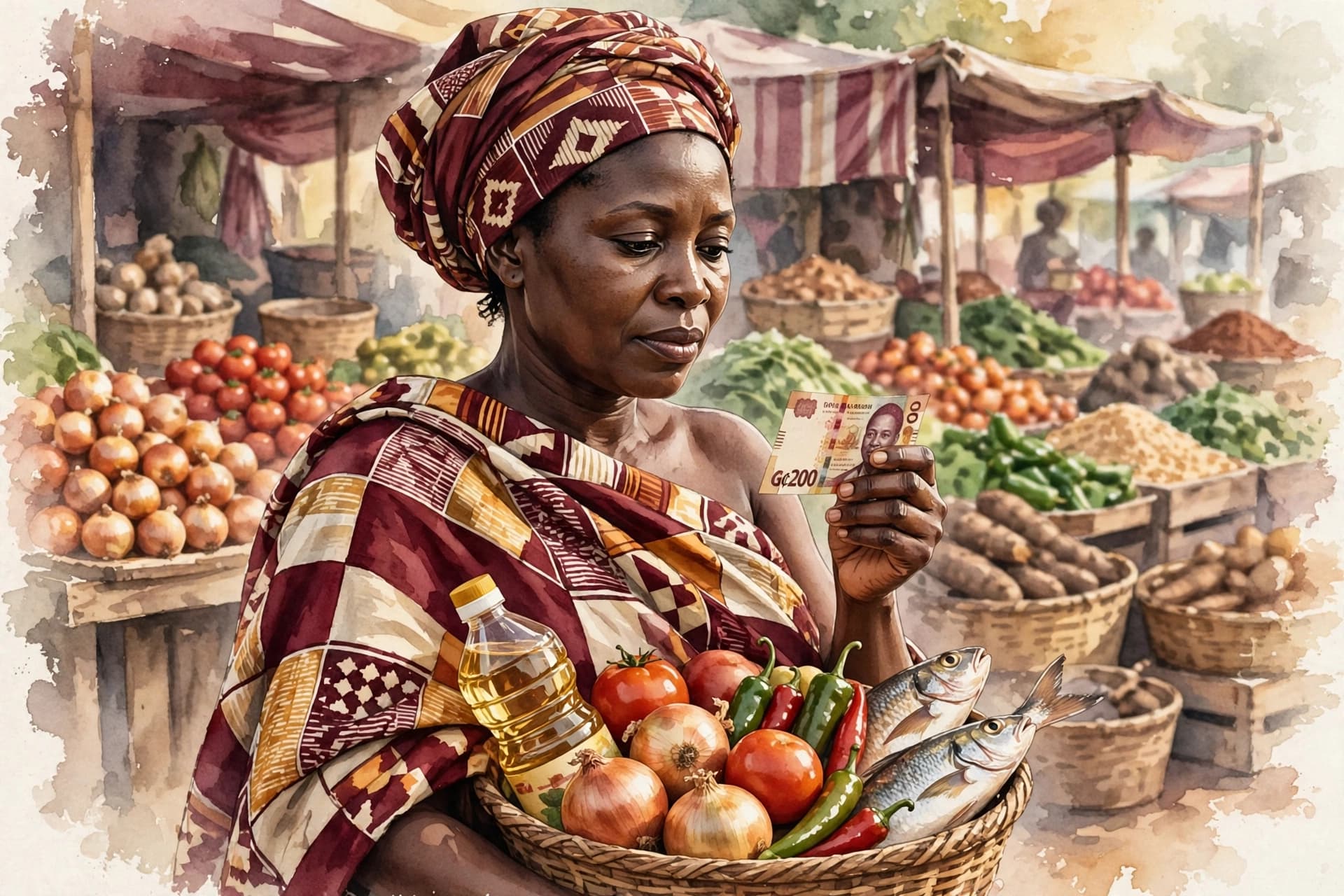
Africa article Inflation is the Speed, Not the Price: Why Ghanaians Still Feel the Cost of Living. Illustration of a Ghanaian market woman in colourful cloth and headwrap holding a basket of tomatoes, onions, pepper, cooking oil and fish in one arm and a GH¢200 note in the other, looking thoughtfully at her shopping. Market stalls with price tags behind her. Text on image reads: Inflation is the Speed, Not the Price. Why Ghanaians Still Feel the Cost of Living. By Bridget Mensah
MoneyOpinion

Part 2: The journalist is broke, the business is booming who profits from Ghana's media industry while the people producing the news struggle to survive?

14 min read

Illustration split in two. On the left, a tired young Ghanaian female journalist in a teal blazer sits at a worn desk holding an empty wallet and a notebook, with a cracked phone and unpaid bills in front of her. On the right, a glamorous media business stage with spotlights, balloons, a trophy, stacks of money and executives celebrating at a sponsored event. The image symbolises the gap between struggling journalists and a booming media business in Ghana.
Society & DigitalAnalysis

Ghana’s household registry holds nearly three million households. But can the data deliver social protection fairly?

13 min read

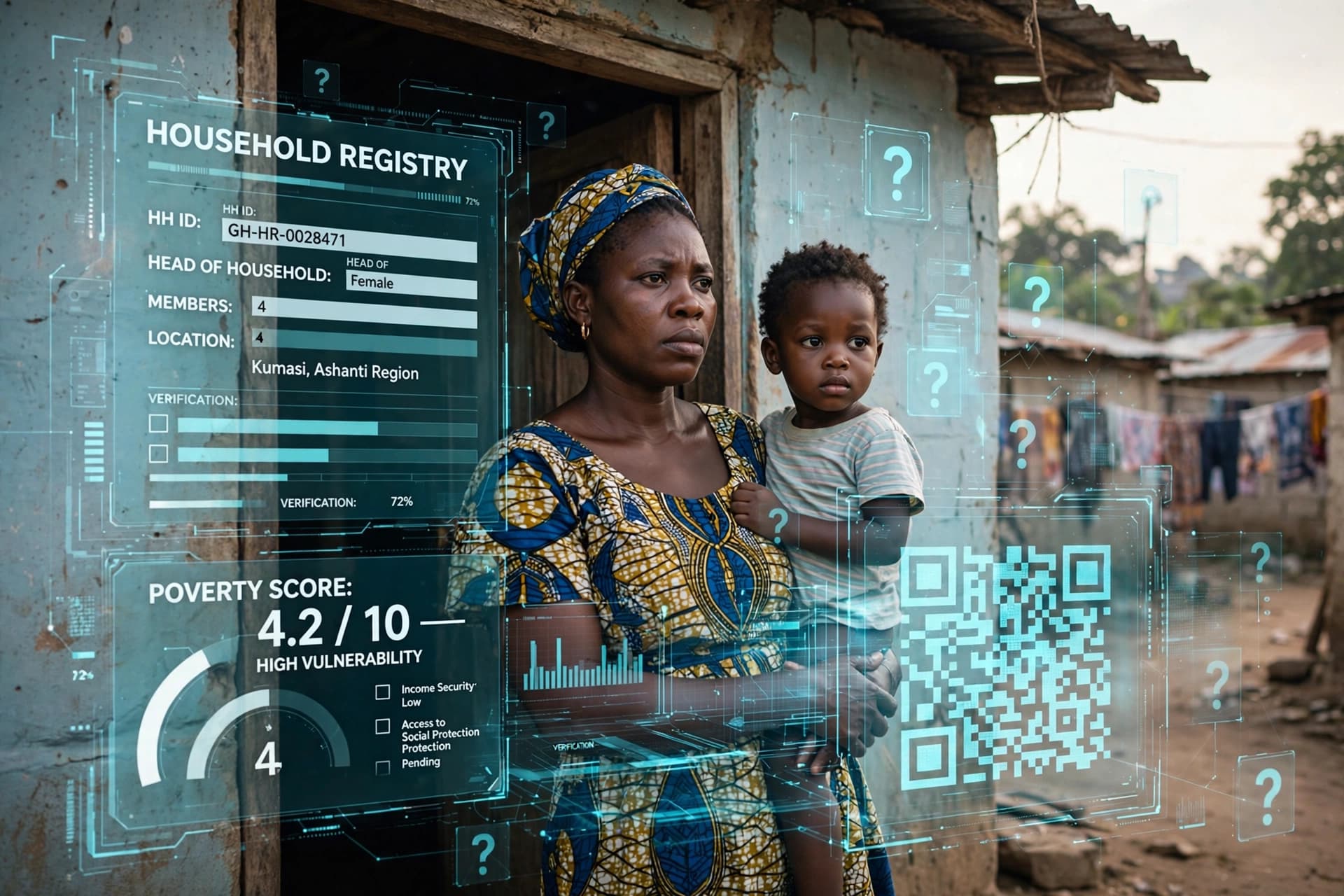
Ghanaian woman in blue and gold African print dress and headwrap holds a young child in the doorway of a modest home in Kumasi, Ashanti Region. Floating around them are semi-transparent digital overlays from the Ghana National Household Registry showing Household ID GH-HR-0028471, female head of household, 4 members, location, poverty score 4.2 out of 10 marked as high vulnerability, verification at 72 percent, income security low, access to social protection pending, and a QR code. Multiple glowing question marks float around the data, symbolizing questions about data accuracy, fairness and accountability in social protection targeting.
Society & Digital

Liverpool FC Foundation, Right To Play target 650,000 Ghanaian children with early education programme

3 min read

Reps Liverpool FC Foundation,
Society & Digital

Ghana faces hotter, drier months as GMet warns of El Niño risks to farming, water and power

4 min read

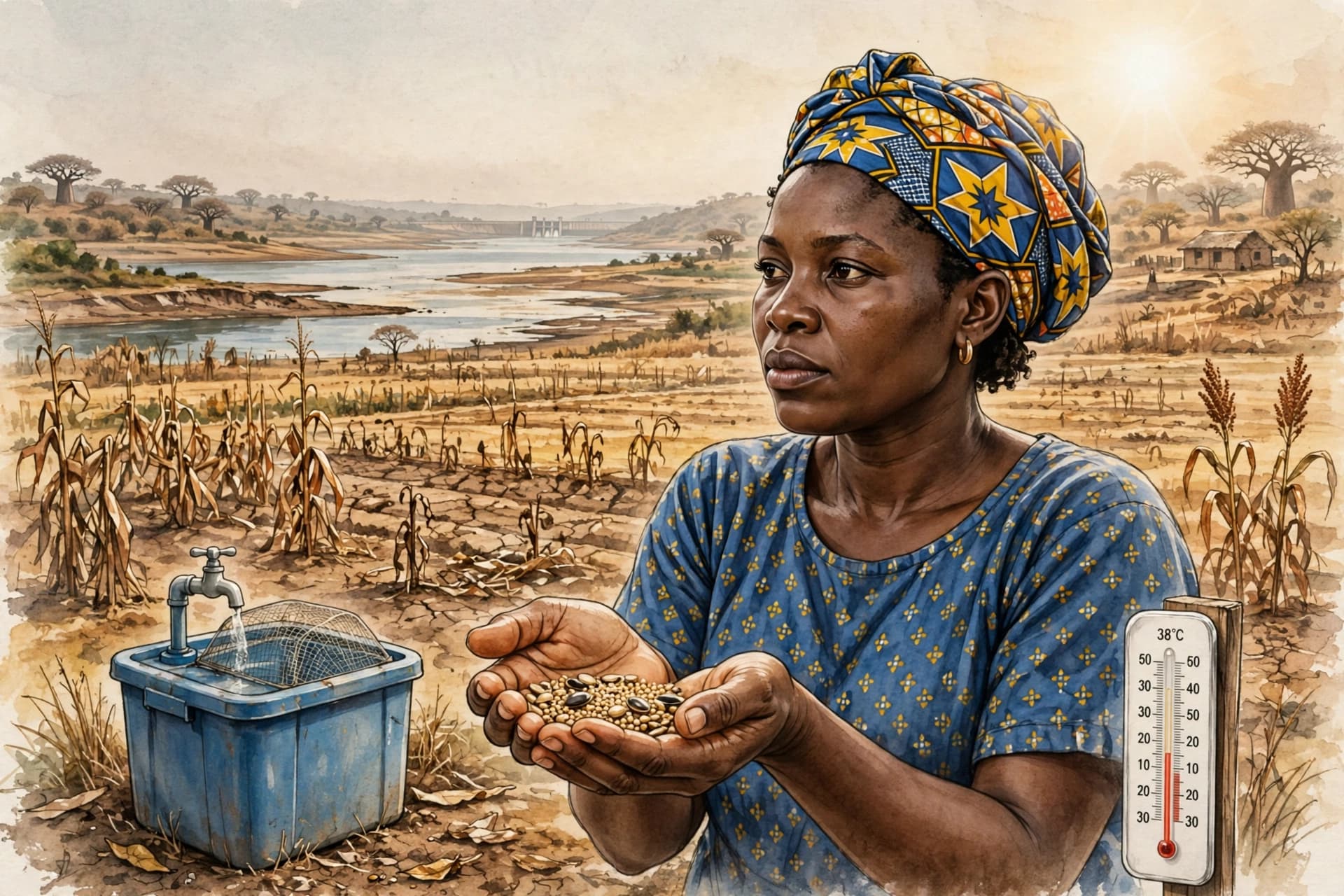
Editorial illustration of a Ghanaian woman farmer in northern Ghana holding drought-tolerant seeds in her hands, standing in a dry farm field with wilted maize crops. In the background, Lake Volta is shown with receding water levels and the Akosombo Dam faintly visible under a hot, hazy sun with baobab trees. Foreground details include a water harvesting container with a tap and a thermometer showing 38 degrees Celsius, symbolizing Ghana's hotter and drier season warning, risks to farming, water and power due to very strong El Niño as forecast by the Ghana Meteorological Agency.
MoneyAnalysis

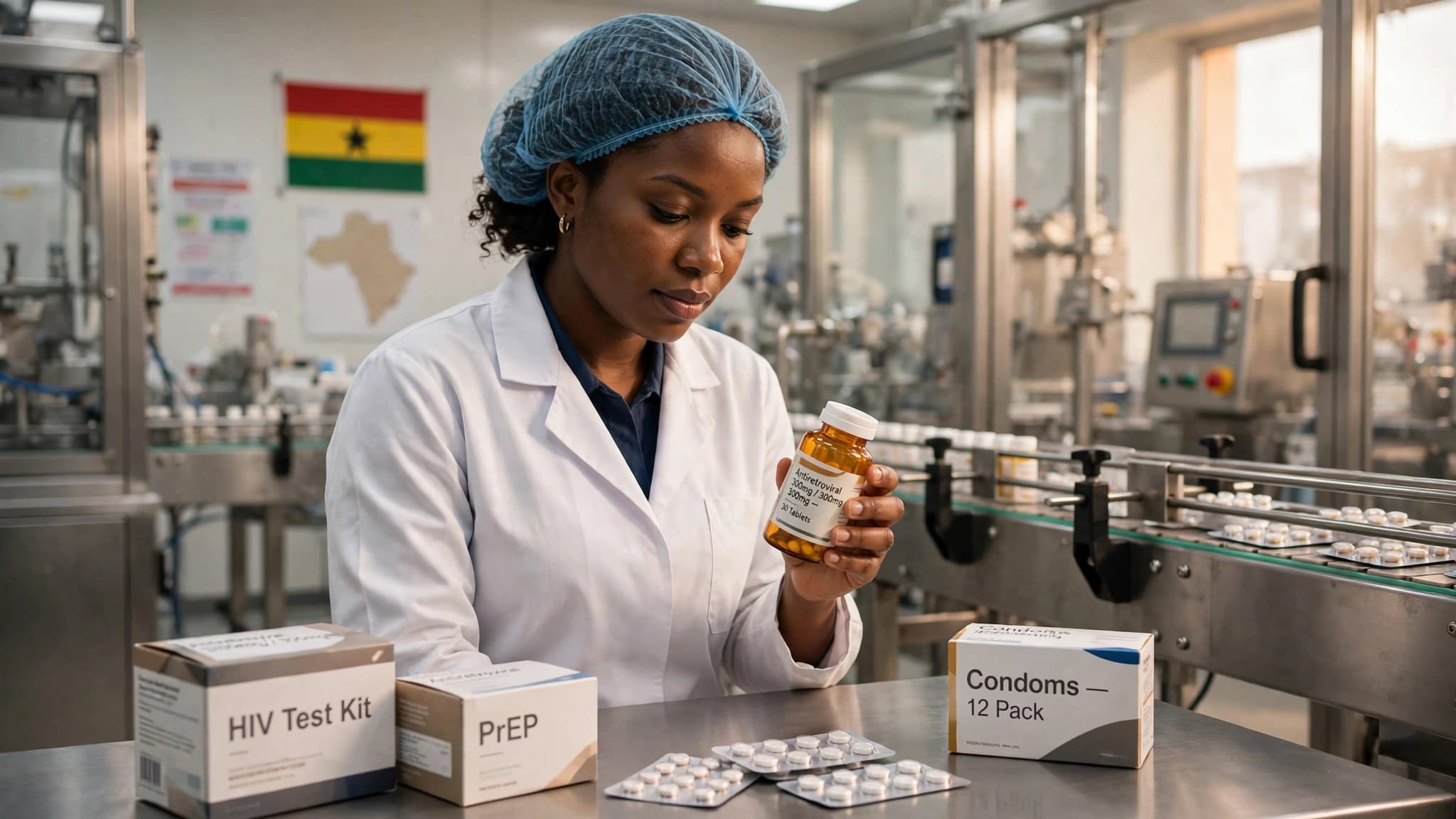
Ghana wants to make its own HIV medicines. But will local production make treatment more accessible?

8 min read

A Ghanaian female pharmaceutical technician in a white lab coat and blue hair net inspects a bottle of antiretroviral medicine inside a modern pharmaceutical manufacturing facility in Ghana. In the background, a Ghana flag hangs on the wall and medicine blister packs move along a production line. On the stainless steel table in front of her are boxes labeled HIV Test Kit, PrEP, and Condoms 12 Pack, with blister packs of tablets. The image represents Ghana's ambition to locally manufacture HIV medicines, diagnostics and prevention commodities to strengthen health security and access.
AfricaAnalysisCSW DeskThe Gender Lens

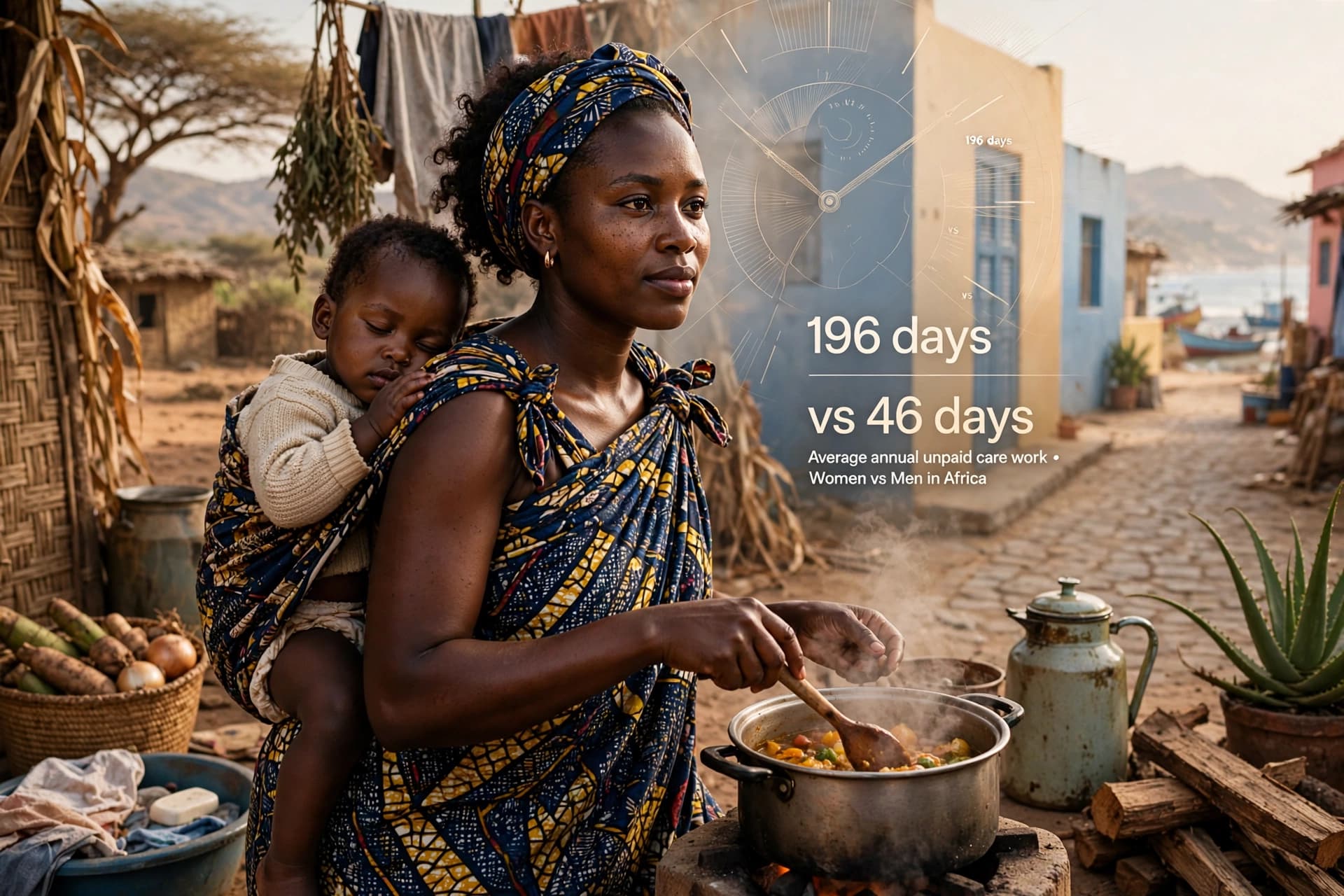
Unpaid care work in Africa: who pays for what women do for free?

7 min read

An African woman wearing a blue and yellow patterned wrap carries a sleeping toddler on her back while stirring a pot of food over an outdoor stove. Around her are baskets of vegetables, a basin of laundry, and firewood. A translucent clock graphic overlays the scene with text reading "196 days vs 46 days - Average annual unpaid care work, Women vs Men in Africa." In the background, a rural homestead transitions into a colorful cobblestone street with fishing boats, representing Kenya and Cabo Verde.
Money

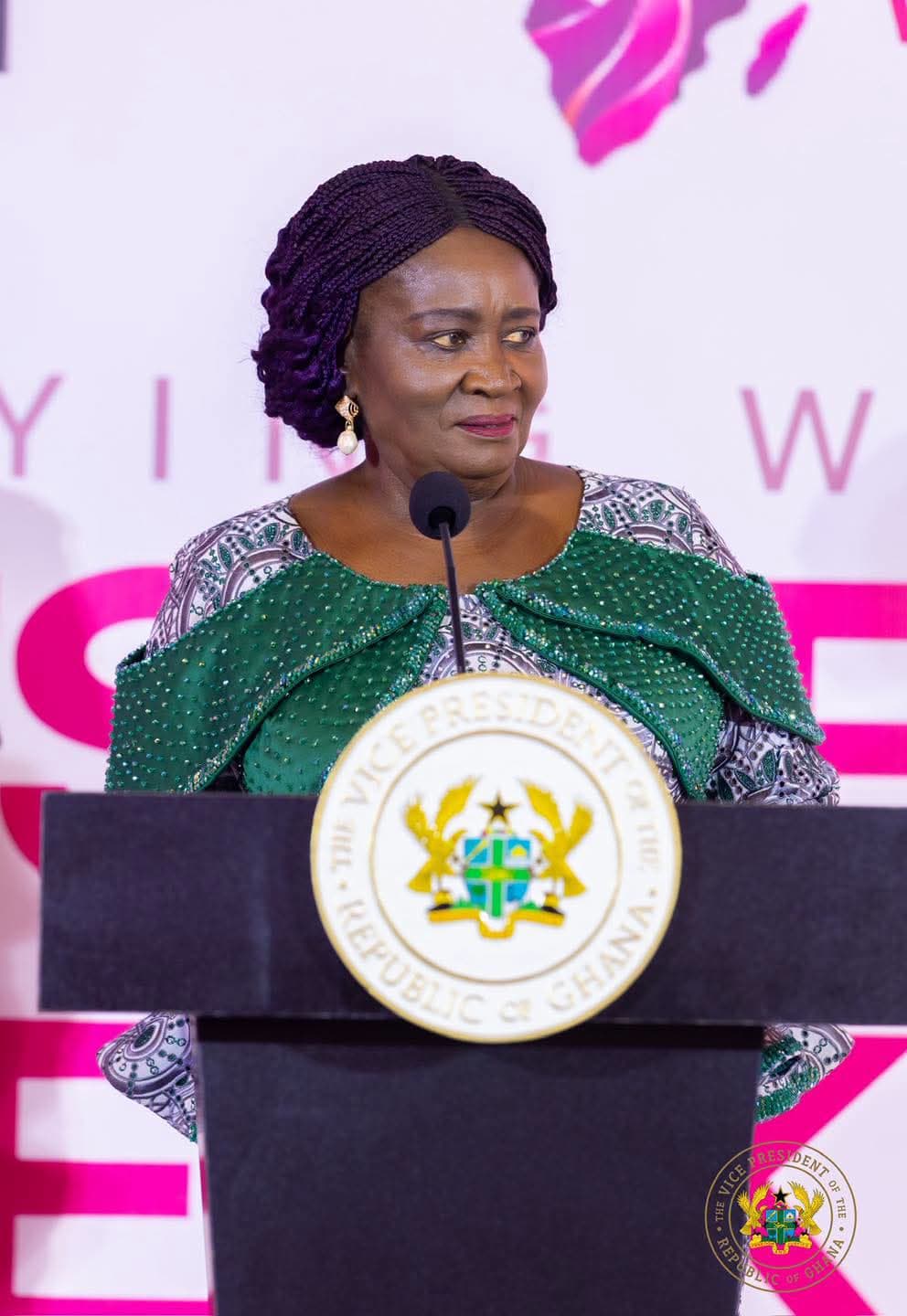
Ghana’s market women demonstrate leadership but need greater access to finance, Vice President says

3 min read

Jane Naana Opoku Agyemang delivering a speech at the event
Money

Bank of Ghana researchers propose AI tool for near real-time inflation tracking

4 min read

Laptop showing inflation chart with Ghana cedi price tags and digital network overlay, Bank of Ghana building in background.
Society & Digital

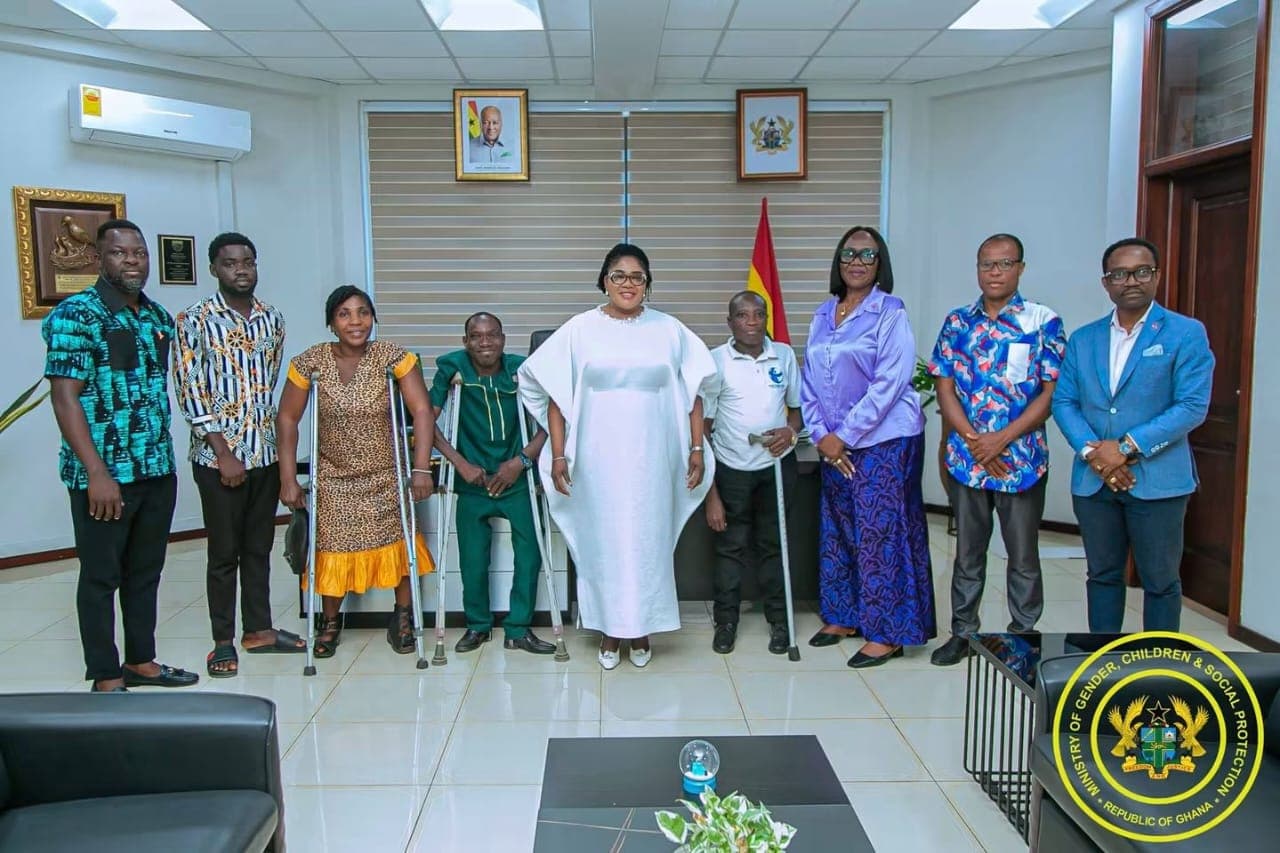
Gender Minister explores support for disability centre seeking better training facilities and market access

4 min read

Gender minister with the PWDS
Money

Dansoman Market fire victims receive support to rebuild businesses

2 min read

Money

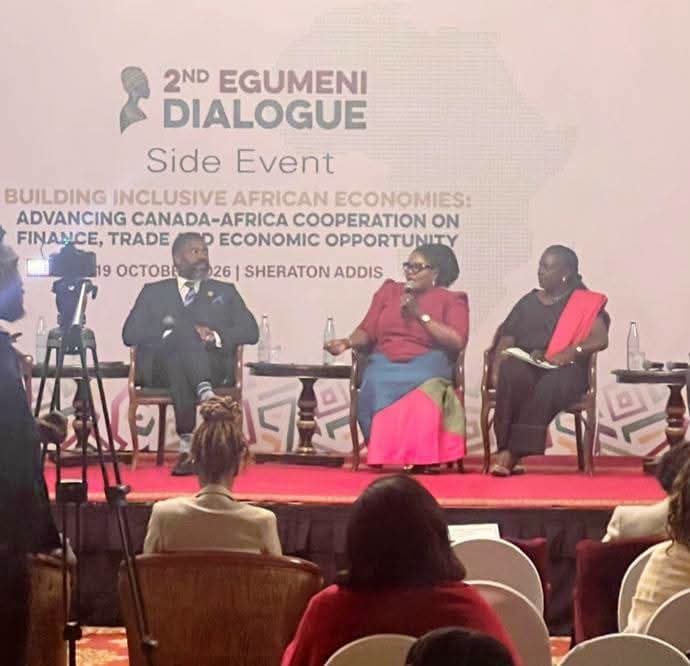
Gender Minister Calls for Stronger Canada–Africa Cooperation to Advance Women’s Economic Inclusion

2 min read

2nd Egumeni side event

Load more

NEWSLETTER

Stories that move Africa forward.

Join thousands who believe in a more equal Africa.

Beat newsletter

No spam. Just powerful stories.