Accra, Ghana, November 1, 2026: Ghana faces increased climate risks over the coming months as a very strong El Niño event develops, with potential consequences for agriculture, water resources, electricity generation and public health, the Ghana Meteorological Agency (GMet) has warned.
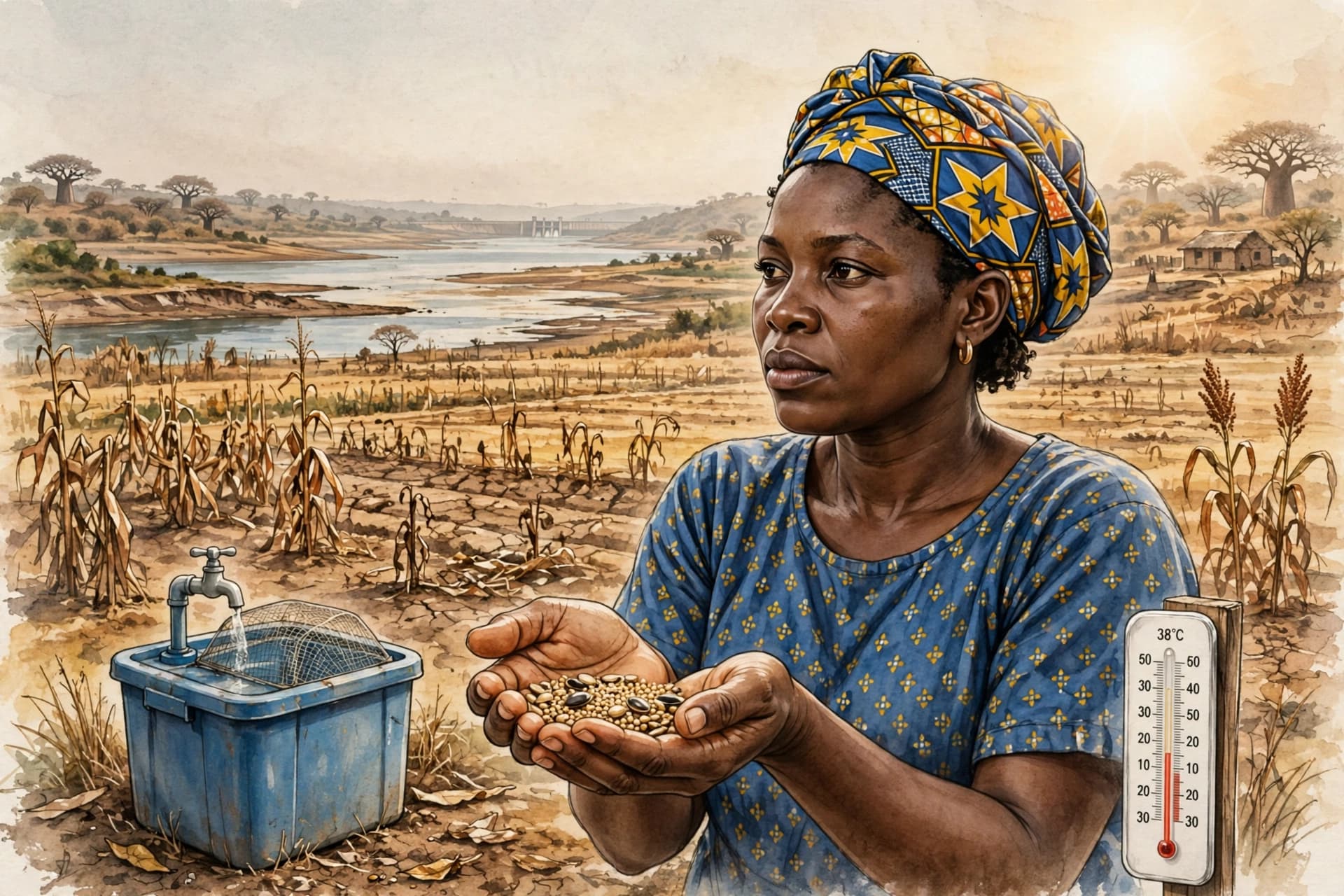
In an advisory issued on October 30, 2026, the agency said the developing El Niño could contribute to hotter and drier conditions across much of the country, particularly during the dry season from November 2026 to April 2027.
The agency identified prolonged dry spells, rising temperatures, bushfires, pressure on water supplies and increased dust exposure among the risks requiring attention.
Heat stress is expected to be particularly concerning between February and April 2027, with northern Ghana facing greater exposure.
El Niño is a naturally occurring climate phenomenon characterised by unusually warm sea surface temperatures in the central and eastern equatorial Pacific Ocean. It influences atmospheric circulation and can alter rainfall and temperature patterns in different parts of the world.
GMet, citing projections from the United States National Oceanic and Atmospheric Administration's Climate Prediction Center, said there was approximately a 96 per cent probability that the developing event would reach very strong intensity between November 2026 and January 2027.
However, the agency cautioned that El Niño does not automatically produce the same weather conditions across Ghana. Its influence depends partly on conditions in the tropical Atlantic Ocean, while local weather patterns and other climate systems also shape rainfall distribution.
Ghana's recent weather experience illustrates the country's exposure to contrasting climate conditions. Heavy rainfall caused widespread flooding in parts of southern Ghana in June 2026, while prolonged dry spells subsequently affected farming activities in parts of the north.
GMet's updated seasonal outlooks indicate predominantly normal-to-below-normal rainfall across much of the country, although above-normal rainfall is expected in some locations. Warmer-than-average temperatures are also projected for most areas.
Implications for food production and livelihoods
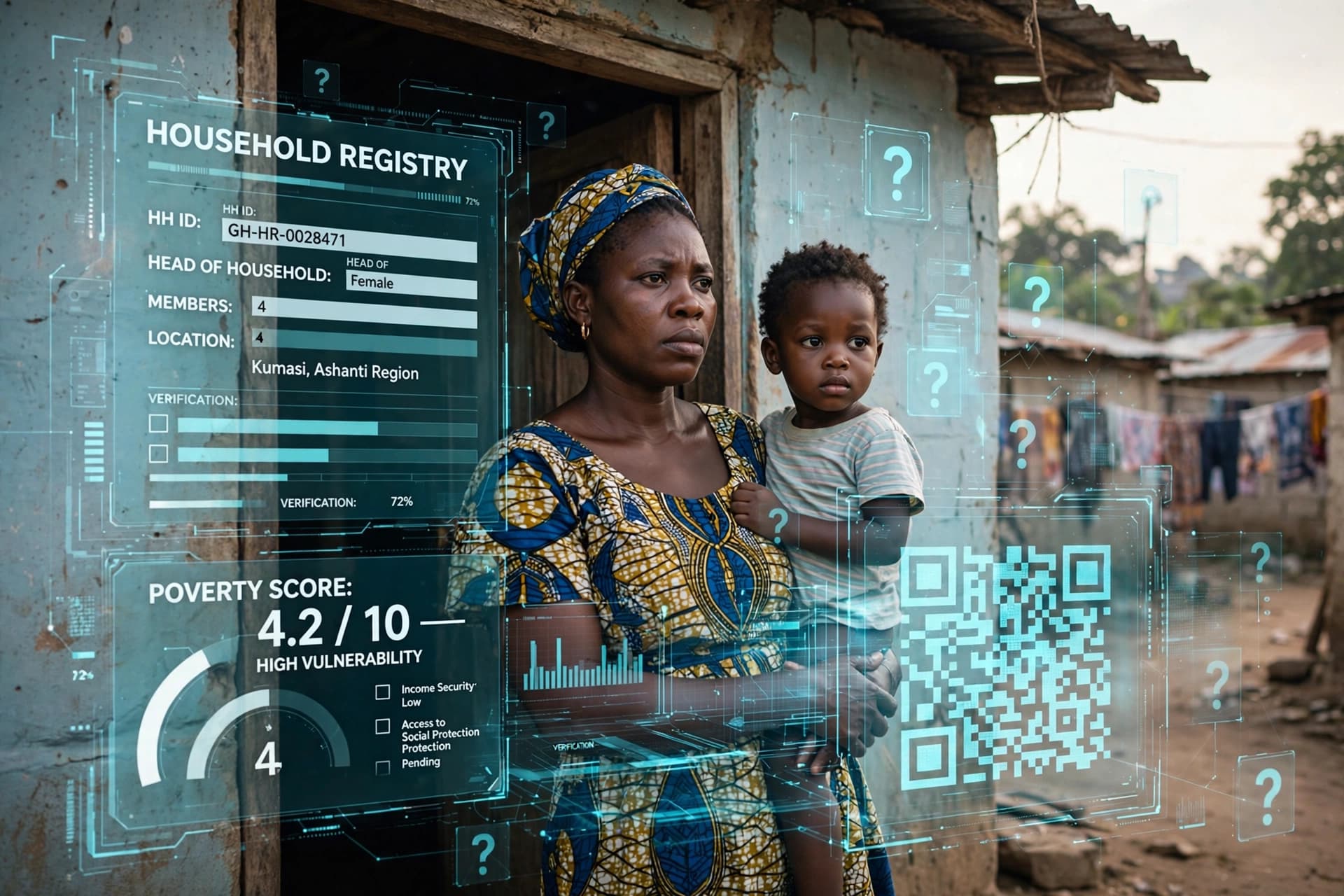
The anticipated weather conditions could place additional pressure on farmers, particularly those who depend on rainfall for crop production.
Longer dry spells and irregular rainfall can affect planting schedules, crop development and harvests, with consequences for household incomes and food availability.
Ghana's experience during previous El Niño episodes demonstrates the potential economic consequences. The 2023/24 event, for instance, coincided with difficult conditions for agricultural production, while the very strong episodes of 1982/83, 1997/98 and 2015/16 exposed the country to significant climate-related challenges.
The impact, however, is unlikely to be uniform across agricultural communities. Farmers in different ecological zones face different levels of exposure, depending on rainfall patterns, access to irrigation, crop choices and available resources.
Water availability is another concern. Prolonged dry conditions could increase pressure on water sources, particularly in communities that already experience seasonal shortages.
The effects could extend to households that depend on reliable water supplies for domestic activities, sanitation and small-scale economic activities.
Hydropower and electricity supply
GMet has also drawn attention to the possible implications for hydroelectric power generation, particularly through the Volta River system.
However, the agency has distinguished between the immediate dry-season outlook and the longer-term risk to electricity generation.
Power generation during the 2026/27 dry season will depend largely on water already stored in Lake Volta. The more significant El Niño-related concern is the 2027 rainy season, when rainfall and river inflows into the Volta basin will influence reservoir levels and potentially affect hydropower generation in 2028.
GMet has cautioned that the 2027 rainy seasons remain uncertain. A delayed or weaker rainy season could reduce water inflows, while a shift towards La Niña conditions could increase the possibility of heavier rainfall and flooding in parts of the Volta basin.
The agency is therefore calling for energy-sector institutions to prepare for different scenarios rather than assume a single outcome.
Call for national preparedness
GMet is recommending the establishment of a National El Niño and Dry-Season Preparedness Task Force involving the ministries responsible for food and agriculture, health, energy, water resources, local government and finance, alongside relevant agencies.
The proposed task force would coordinate preparedness measures and report regularly to Cabinet during the period of heightened climate risk.
Among the recommended interventions are the early distribution of drought-tolerant and early-maturing seeds, improved irrigation and water harvesting, strengthened food reserves, preparedness for heat-related health challenges and replenishment of disaster relief supplies.
The agency has also called for district-level climate risk assessments to help authorities identify communities most exposed to drought, flooding, heat and other climate-related hazards.
GMet emphasised that the developing El Niño should be treated as a warning to prepare, rather than a prediction that disaster is inevitable.
It is expected to provide updated forecasts for Ghana's 2027 rainy seasons early next year, as more information becomes available on the developing climate conditions.