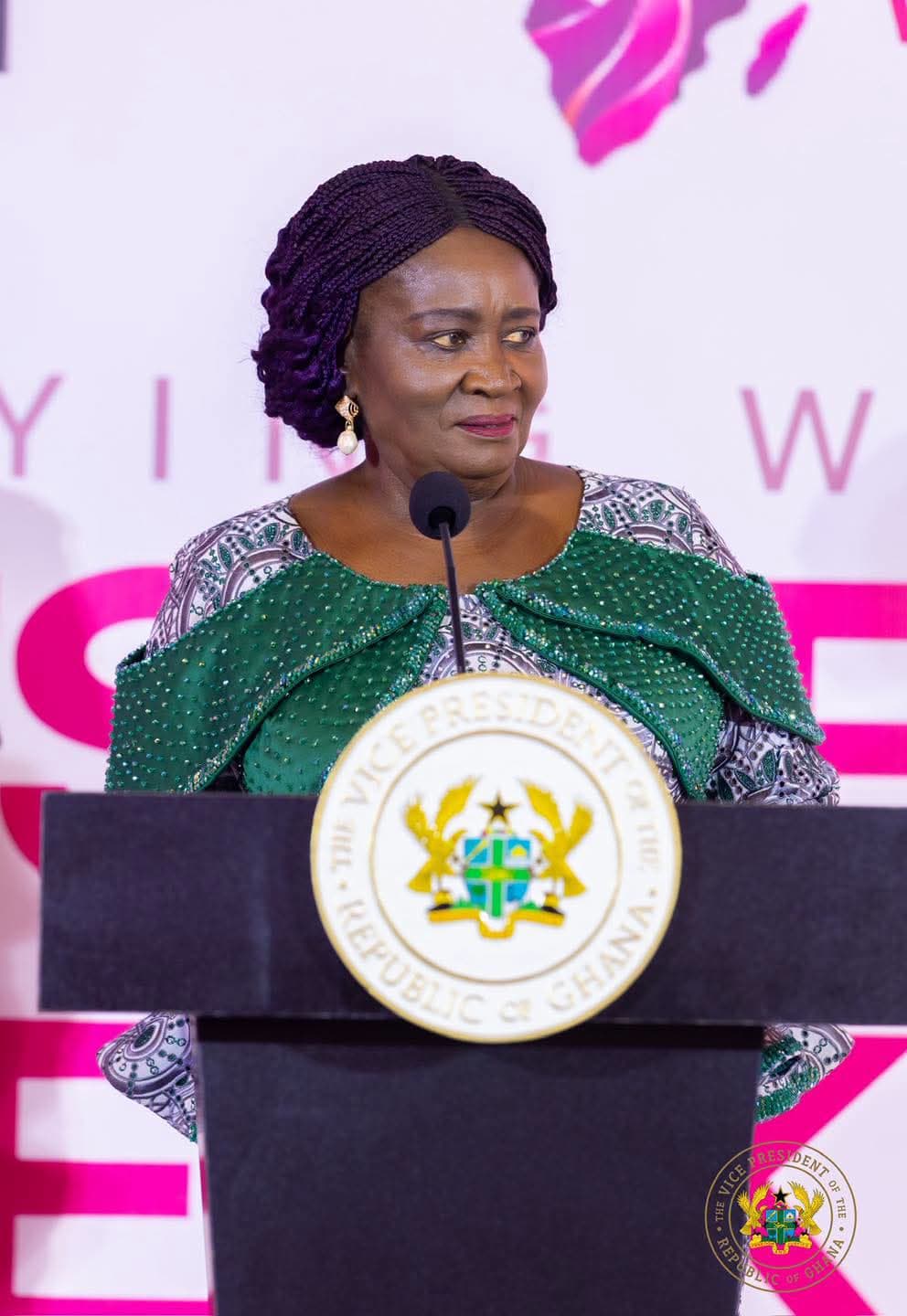
Accra, Ghana, October 28, 2026: Ghana’s market women are already demonstrating leadership through their ability to manage businesses, assess risks and sustain communities, but their contributions must be matched with greater access to opportunities and resources, Vice President Jane Naana Opoku-Agyemang has said.
Speaking at a Women’s Leadership Breakfast hosted by Olori Ivie Atuwatse III, Queen Consort of Nigeria’s Warri Kingdom, the Vice President said African women had long demonstrated their leadership abilities, even when their contributions received little recognition.
She drew on her years of conversations with women in Ghana’s markets, describing them as businesswomen who manage resources, make decisions and contribute significantly to local economies, even when they do not necessarily identify themselves as leaders.
“Many may not describe themselves as leaders, yet they exercise considerable responsibility and contribute significantly to our economies,” she said in a statement following the event.
Women’s Development Bank to address financial barriers
The Vice President identified access to finance as a key barrier facing women seeking to expand their businesses and livelihoods.
She said Ghana’s proposed Women’s Development Bank seeks to address some of these challenges by improving women’s access to financial resources as they grow businesses and economic activities they have already established.
The initiative comes amid broader efforts to improve women’s economic participation and reduce structural barriers to their advancement.
However, the Vice President stressed that policy commitments must be accompanied by effective implementation to deliver meaningful change.
From gender equity laws to implementation
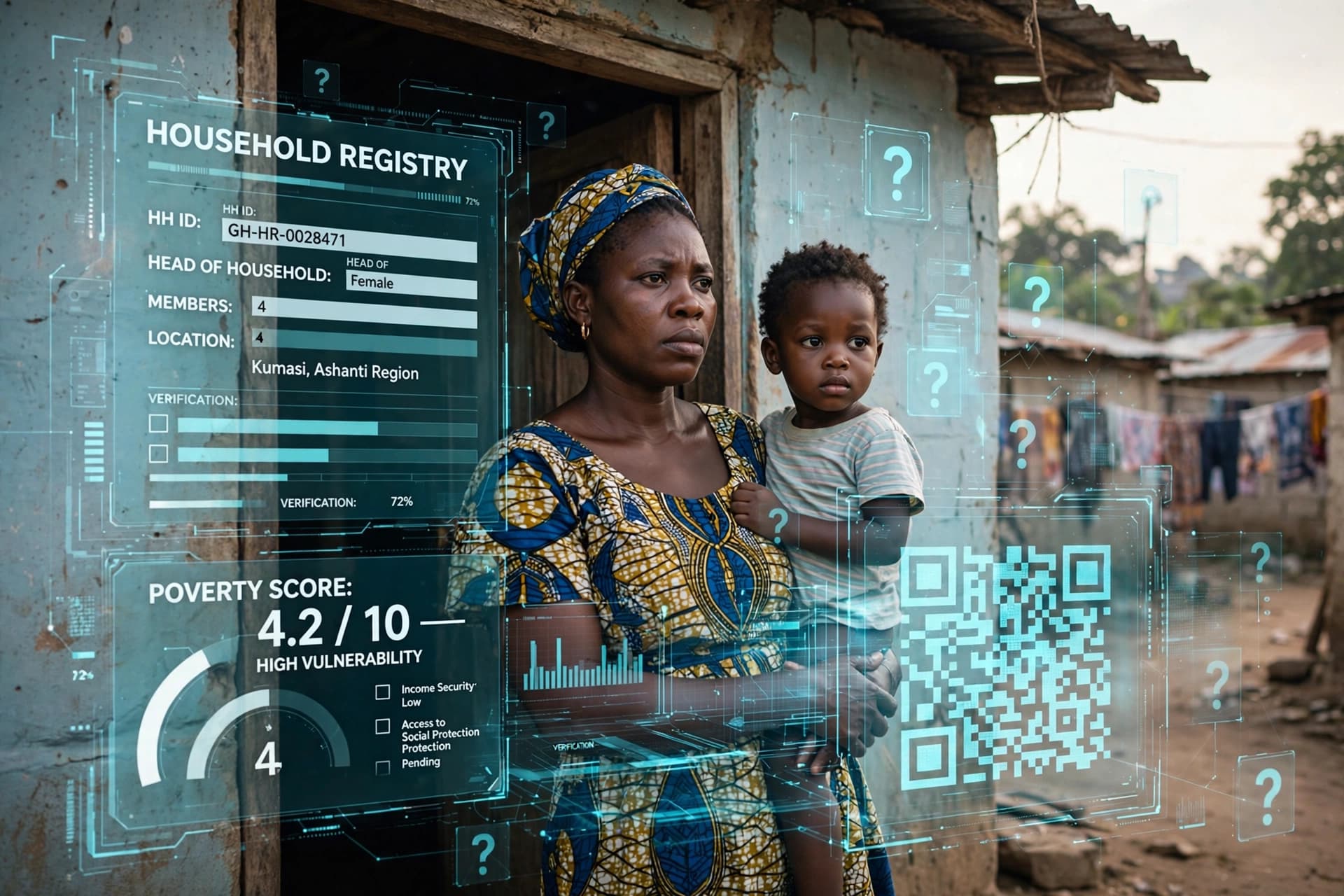
Professor Opoku-Agyemang also highlighted three legal instruments introduced by the government: the Social Protection Act, 2025 (Act 1148), the Social Protection Regulations, 2026 (L.I. 2521), and the Affirmative Action (Gender Equity) Regulations, 2026 (L.I. 2522).
The instruments, launched in October, are intended to strengthen social protection and provide a framework for advancing women’s representation and participation in leadership and decision-making.
The Vice President said implementation would be as important as the laws themselves, emphasising the need for systems that enable women to participate fully and benefit fairly from economic and public life.
Her remarks point to the challenge of ensuring that legal reforms translate into practical improvements in women’s lives, particularly for those whose skills and ambitions remain constrained by limited access to resources.
Call for practical collaboration
The breakfast brought together prominent African women, including former Malawi President Joyce Banda and former Mauritius President Ameenah Gurib-Fakim.
Professor Opoku-Agyemang expressed hope that the discussions would lead to practical collaboration to support women whose abilities and ambitions are not matched by the opportunities available to them.
Her call places renewed emphasis on the need to recognise women’s existing contributions while addressing the financial and institutional barriers that prevent many from advancing further.