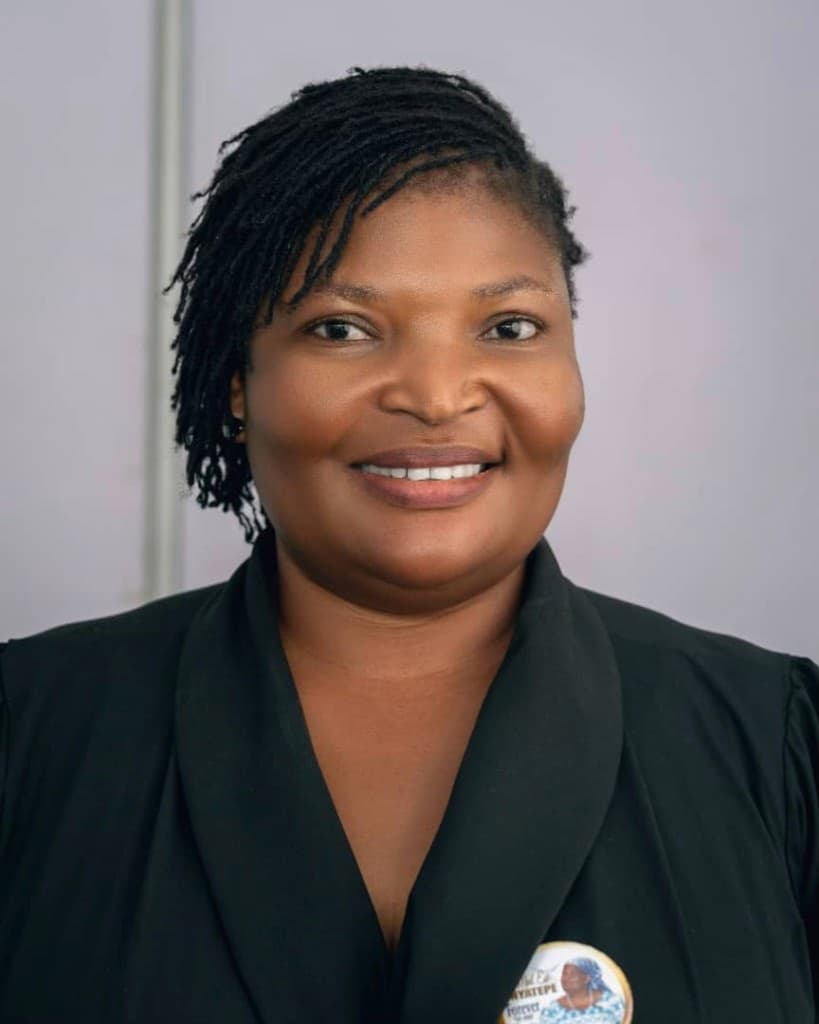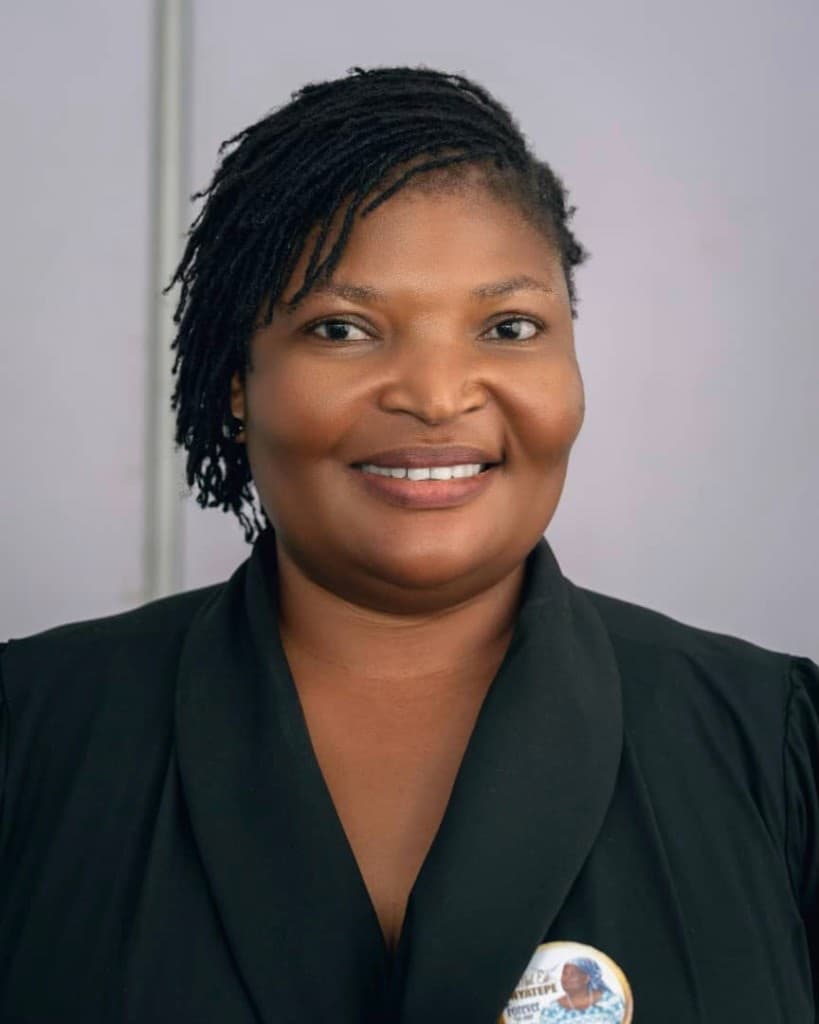
Accra, Ghana, November 24, 2026: About a minute into her statement at the closing plenary of the UN climate conference in Antalya, Türkiye, Dr Zanetor Agyeman-Rawlings was cut off.
What happened at the COP31 closing plenary
Ghana's Minister for Environment, Science and Technology was presenting the collective position of the African Group of Negotiators (AGN) on the conference's final decisions. As the group's current chair, Ghana coordinates the presentation of positions agreed collectively by the AGN's 54 member countries during plenary sessions. The interruption came from the COP31 President, Murat Kurum, Türkiye's Minister of Environment, Urbanisation and Climate Change.
The AGN Chair, Nana Dr Antwi-Boasiako Amoah, objected at once. He told the President: “you've not shown respect to a group of 54 countries.” According to Ghana's Ministry of Environment, Science and Technology, he also drew the President's attention to the conference's Code of Conduct.
Dr Agyeman-Rawlings then took the floor again. She told the President she had been rudely cut off, reminded him of the principle of primus inter pares, first among equals, and began Africa's statement again from the beginning.
The gesture carried a larger meaning. She did not pick up where she had been stopped. She reclaimed the statement in full.
Mr Kurum later apologised to her and to the African Group in the same plenary, and she accepted.
What is the African Group of Negotiators?
The African Group of Negotiators (AGN) represents Africa's 54 countries in the UN climate talks. Its members agree common positions on adaptation, finance, loss and damage and other issues, and present them as one bloc. Speaking together gives the continent more weight than any country speaking alone.
The group is led by a chair, a role that rotates between countries. Ghana holds it now, so Ghana's minister and negotiators present the group's agreed statements in plenary. In Antalya, Dr Agyeman-Rawlings was presenting a position the group developed together, not Ghana's national view.
Was Africa given the same floor as everyone else?
Her objection rested on a comparison. Another Party, she said, had been allowed to deliver its intervention on the cover decision without interruption. The Party was not identified in the accounts reviewed for this article.
She also placed the moment in a wider context. The interruption, she said, reflected “the level of disrespect we have endured” as an African Group throughout the negotiations.
Mr Kurum's account was different. He said he meant only to keep order and wanted every delegation to express its views freely. In the same session, he also told UN climate chief Simon Stiell to take his seat, an exchange captured on the live microphone.
Nothing in the record establishes what motivated the interruption, and this analysis does not claim to know. What the record does show is that the person presenting Africa's agreed position could not finish it without first challenging the chair.
Multilateral climate talks rest on a simple promise. As the Ministry put it in its account of the plenary, every Party must have the opportunity to be heard, “regardless of its size, economic strength or geopolitical influence”. When the bloc representing 54 countries must protest to complete a statement, that promise deserves scrutiny.
Why the COP31 President apologised to Ghana and the African Group
Following the protest, Mr Kurum apologised to Dr Agyeman-Rawlings and the AGN, saying he had not intended to disrespect Ghana, the minister or the bloc. Delegates applauded.
In apologising, he described her as “a valuable lady like you” and spoke of the long-standing ties between Türkiye and Ghana.
The wording was notable. He was addressing a minister who had spoken in her capacity as the representative of a negotiating bloc. The phrase shifted attention from her official role to her gender, although it does not, on its own, establish his attitude towards her.
She accepted the apology, acknowledged the frustrations that can arise during such forums and expressed the hope that there was still room for mutual understanding. Her acceptance did not diminish the objection she had already placed on record.
The apology mattered. But it followed a protest. Respect in a multilateral room should not depend on a delegation having to demand it.
Zanetor Agyeman-Rawlings stood her ground without leaving the table
In the space of a few minutes, she refused to let the interruption pass, addressed the President directly, invoked primus inter pares and insisted on completing the statement she had been mandated to deliver. Then she accepted the apology while maintaining her position.
She had also changed her flights twice and extended her stay to take part fully in the negotiations. She was there to deliver a position agreed by the African Group, and her objection concerned the interruption of that collective statement.
Her conduct raises a question many women in authority will recognise. How do you hold a firm line in a room where influence is unevenly shared, without being dismissed as difficult? Women in authority can face competing expectations: to demonstrate firmness while remaining composed, and to challenge disrespect without being labelled difficult. That expectation deserves scrutiny in its own right.
The numbers show where the gap sits. At COP30 in Belém, women made up 43.6 per cent of Party delegates but only 36.5 per cent of heads and deputy heads of delegation, according to the UNFCCC's latest gender composition report. At the Bonn negotiating session in June 2026, women were 50.6 per cent of delegates and 43.2 per cent of heads and deputy heads.
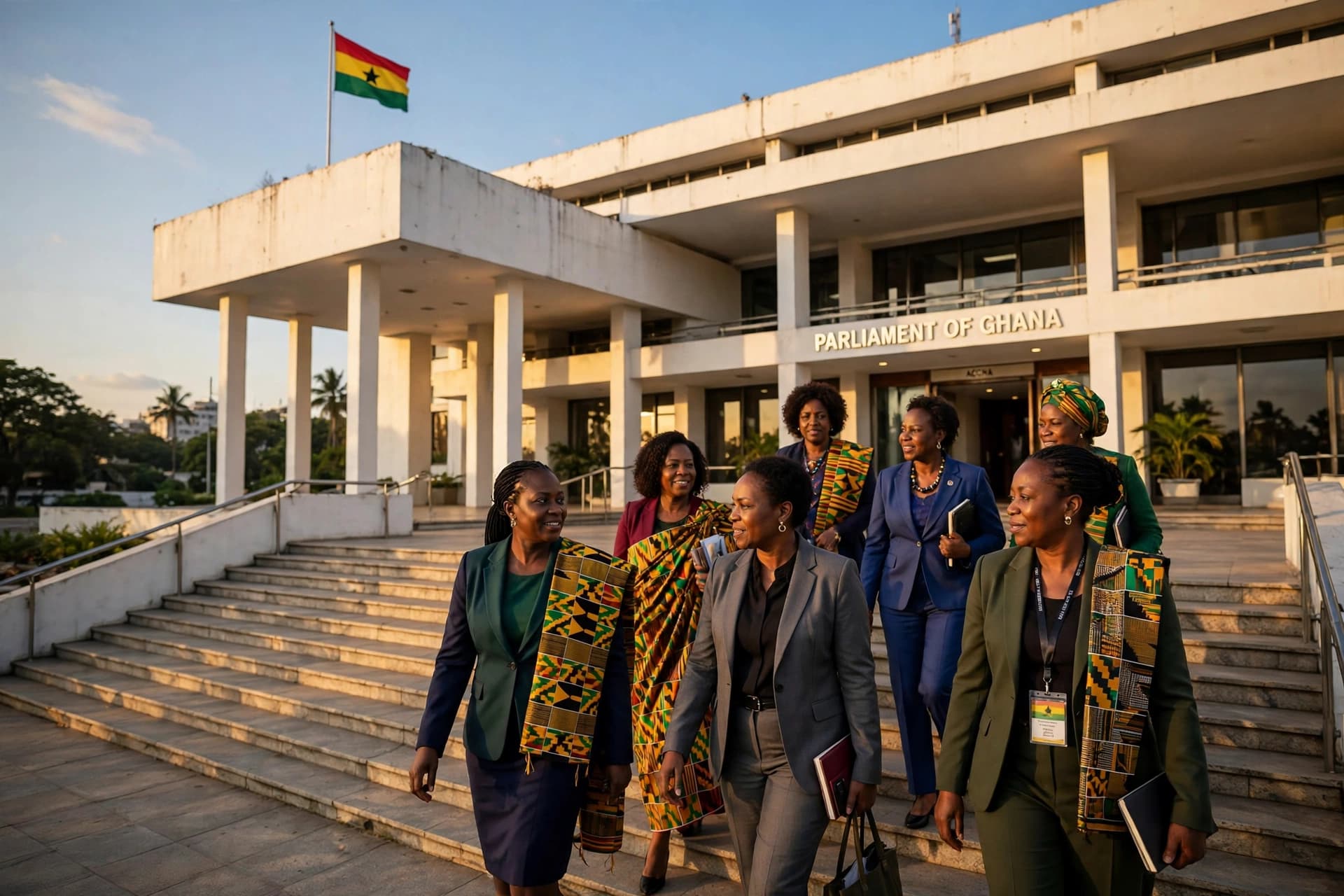
Women are present in substantial numbers, but their representation falls at the level of delegation leadership. Gender Lens Africa has tracked similar patterns closer to home, where African women are entering leadership but do not always control the decisions, and in how Ghana's political parties share power with women .
What the African Group was asking for at COP31
The interruption came while Africa was making a substantive case. The conference closed on 22 November without consensus on its headline political deal, the proposed Antalya Pact, although separate decisions were adopted. Three concerns stood out in the statement she delivered for the group.
Adaptation finance. The AGN had pressed for a clear baseline for tripling adaptation finance. The final text reaffirmed the goal of at least tripling adaptation finance by 2035, but it did not set the baseline against which the tripling is measured, or the amount of money that would represent. Both questions were deferred to 2027. Her assessment: “a commitment without a baseline cannot be called finance”.
Loss and damage. In her assessment, the language was encouraging but carried no resource target.
Just transition. She said the talks gave too little attention to Africa's development realities. Decisions on how the new just transition mechanism will work were postponed until COP32 in 2027.
For women farmers in the Upper East Region, access to adaptation resources can influence their ability to respond to changing rainfall patterns, protect their livelihoods and sustain agricultural production, as Gender Lens Africa reported this month. Africa was not only asking to speak. It was asking for its priorities to count.
Asserting your rights is not the same as walking away
The African Group did not block the final text. Dr Agyeman-Rawlings told the plenary that the group would not stand in the way of the decision, in order to protect multilateralism, and that Africa would keep pressing for clear funding commitments and accountability. Not blocking the text did not mean accepting the outcome. Dr Agyeman-Rawlings said the decision fell short of what the continent needed.
This is the tension at the centre of the story. Africa's representatives challenged how they were treated while continuing to engage with the institution and its decisions. Asserting your rights and refusing to take part are different things, and the AGN chose the first.
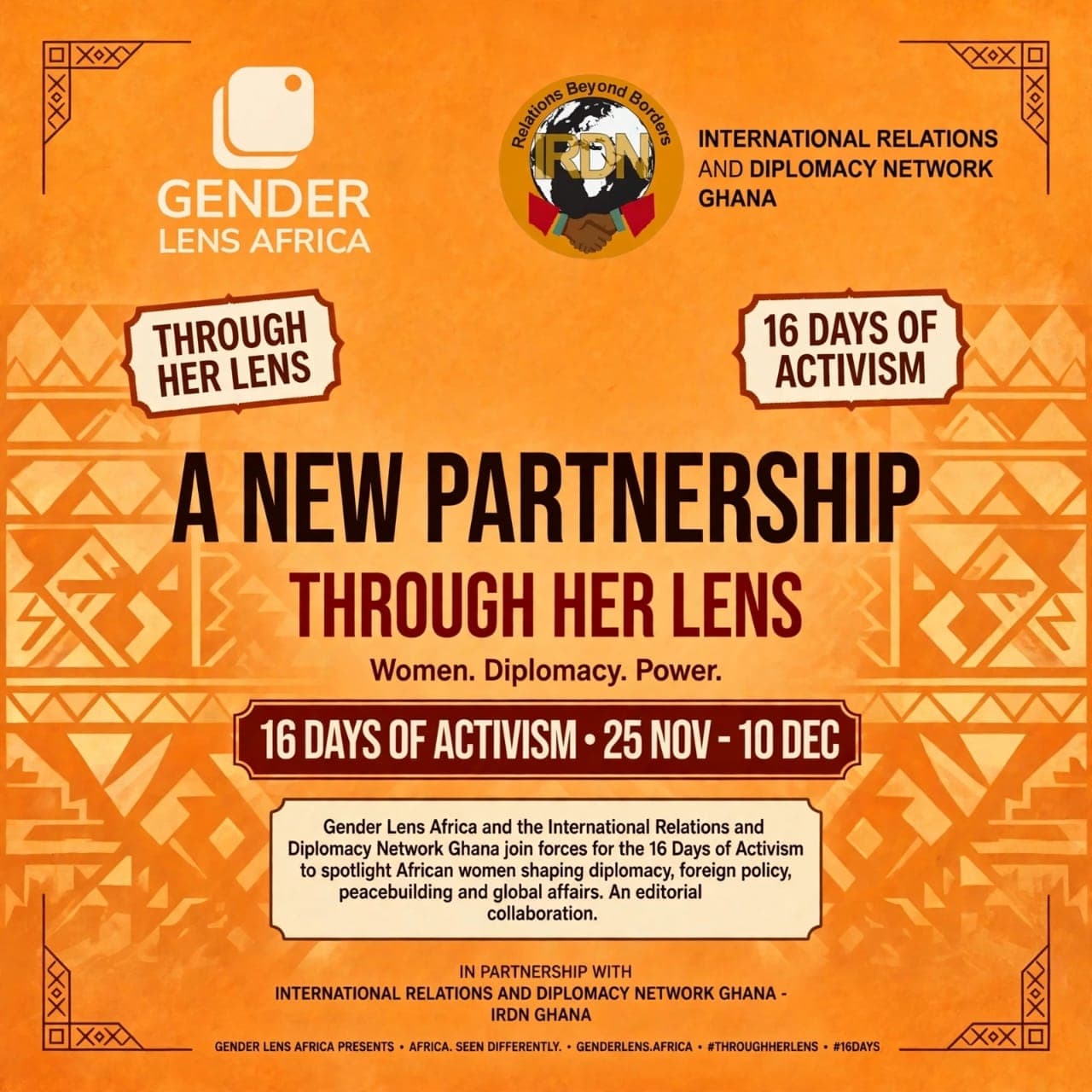
That choice exposes a wider gap between formal equality and real influence. In UN climate talks every Party has a voice, but economic and geopolitical weight shapes who is listened to. For women carrying national and regional mandates, the gap can have a second dimension: as the leadership figures above show, most senior positions in these delegations are still held by men. Through Her Lens, our 16 Days of Activism series with IRDN Ghana, takes up these questions from 25 November.
Presence at the negotiating table is not participation
The lasting image from Antalya is not the apology. It is a minister returning to the microphone and starting Africa's statement again from the first line.
The questions she raised will not stay in Türkiye. COP32 meets in Addis Ababa in 2027, with the adaptation finance baseline and the just transition mechanism still unresolved. COP32 will bring the negotiations to Addis Ababa, but the location alone will not guarantee greater influence for African countries. The interruption lasted seconds. What it brought into view about who gets heard deserves longer attention.
African participation must mean more than a seat at the table. Africa must be heard not as a courtesy, but as an equal participant in decisions about its present and future.