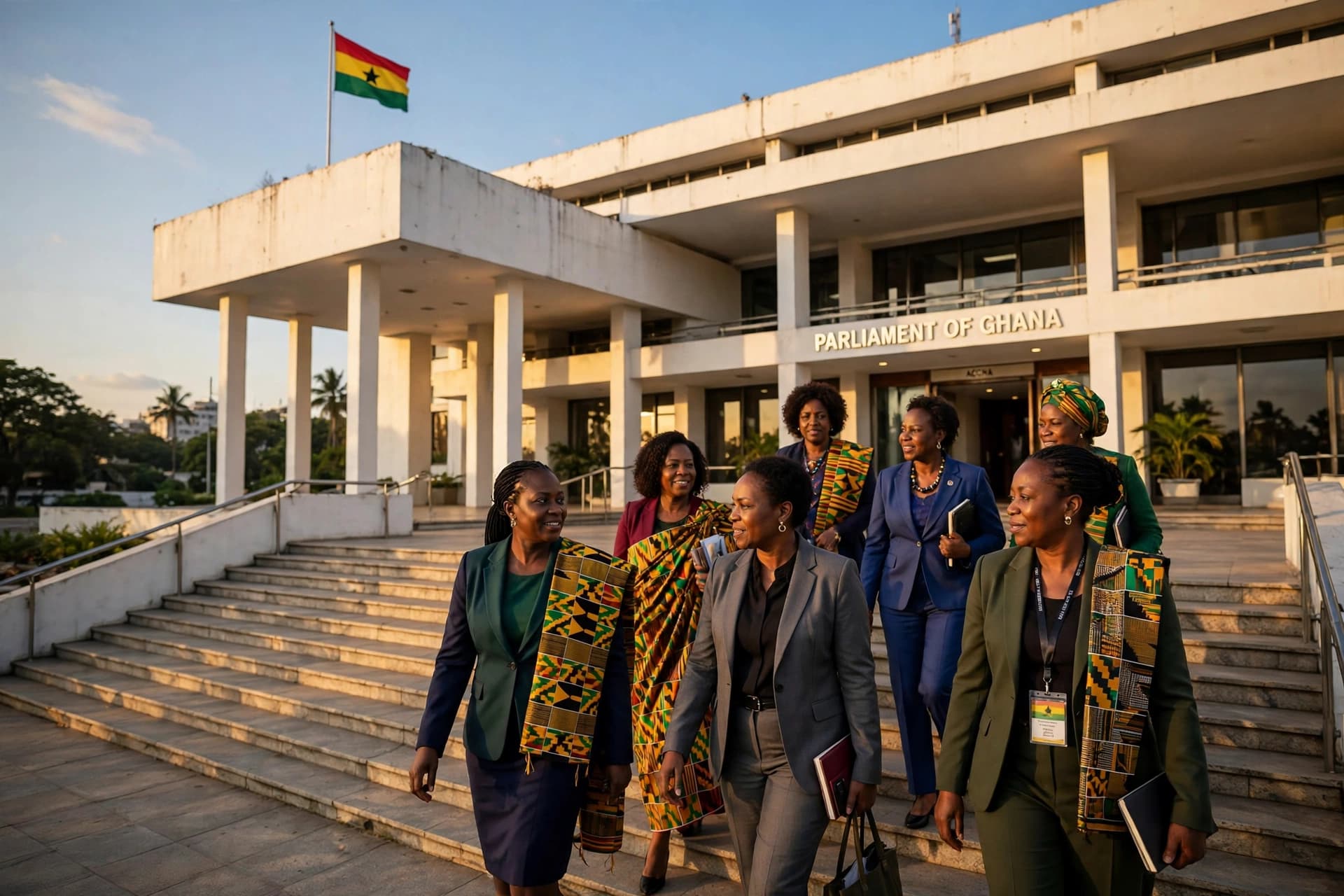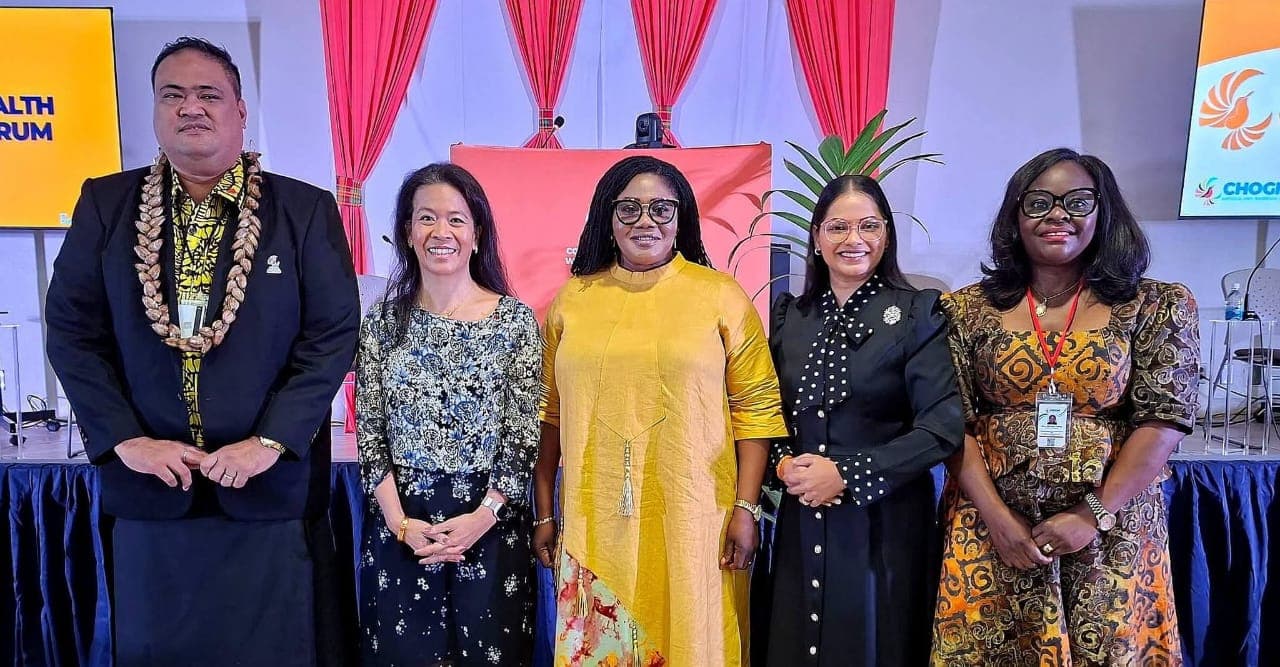
Accra, Ghana, November 6, 2026: Ghana has outlined its policy framework for advancing gender equality and women's economic empowerment at the 2026 Commonwealth Women's Forum in St John's, Antigua and Barbuda, as activities leading to the Commonwealth Heads of Government Meeting (CHOGM) commence.
The Minister for Gender, Children and Social Protection, Dr Agnes Naa Momo Lartey, and her delegation participated in the Forum's opening plenary, which brought together government representatives, civil society organisations, development partners and youth groups to discuss practical approaches to addressing gender inequalities across the Commonwealth.
Held under the theme, "Advancing Gender Equality: Investment in a Prosperous and Resilient Commonwealth", the Forum provides a platform for countries to exchange experiences, discuss policy approaches and strengthen partnerships to advance women's rights and empowerment.
Discussions at the opening highlighted the connections between women's leadership and political participation, gender-based violence and climate change, with speakers emphasising the importance of protecting progress already made and strengthening cooperation to address persistent inequalities.
Climate change also featured prominently, particularly its effects on women's livelihoods, household security and community resilience. Participants were encouraged to share successful interventions, mobilise resources and strengthen partnerships to address challenges affecting women and girls.
Ghana highlights policies for women's economic empowerment
During a session on women's economic empowerment, Dr Lartey outlined Ghana's policy measures aimed at strengthening women's participation in economic activities and supporting the growth of women-owned businesses.
She described women's economic empowerment as both a social development priority and an important condition for national growth.
"Women do not only take part in institutions, but we also lead," she said, highlighting the need to create opportunities for women to participate fully in economic life and leadership.
The Minister identified the National Gender Policy 2025–2034, the National Micro, Small and Medium Enterprises Policy, the National Financial Inclusion and Development Strategy, the National E-Commerce Strategy 2025–2029 and the 24-Hour Economy Policy as part of Ghana's framework for advancing women's economic participation.
These initiatives are underpinned by the Affirmative Action (Gender Equity) Act, 2024, which provides a legislative foundation for advancing gender equality.
However, she acknowledged that many women continue to operate in the informal sector, face limited access to finance and remain disconnected from business networks that link enterprises to buyers, investors and new markets.
"Women are earning, but too few are owning and deciding," she observed, pointing to the need for practical interventions that enable women to expand their businesses and exercise greater control over their economic activities.
Sharing an example of an intervention to support women entrepreneurs, Dr Lartey cited a Ghanaian study in which growth-oriented women business owners were organised into curated WhatsApp peer groups for 16 weeks. The study found that participants recorded a 21 per cent increase in monthly profits.
She highlighted the importance of networks that provide women entrepreneurs with business advice, contacts and opportunities to support enterprise growth.
Discussions extend to violence against women and disability inclusion
The Forum's programme also covers women's economic empowerment, gender and climate change, ending violence against women and girls, and accountability for gender equality commitments.
Dr Lartey is expected to participate in further sessions and side events, including discussions on the health-sector response to gender-based violence and the Commonwealth Disability Forum.
She is also expected to deliver a statement during a session titled, "Leveraging Networks and Digital Platforms to Scale and Access New Markets", focusing on opportunities to use digital platforms to support business growth and market access.
The Commonwealth Disability Forum will examine disability inclusion and implementation of the Convention on the Rights of Persons with Disabilities (CRPD), including the participation of persons with disabilities in education, employment, political processes and other areas of public life.
The engagements provide an opportunity for Ghana to exchange experiences with other Commonwealth countries on addressing gender-based violence, promoting women's economic participation and strengthening disability-inclusive policies and programmes.
The outcomes are expected to contribute to ongoing efforts to advance gender equality, protection and social inclusion in Ghana.