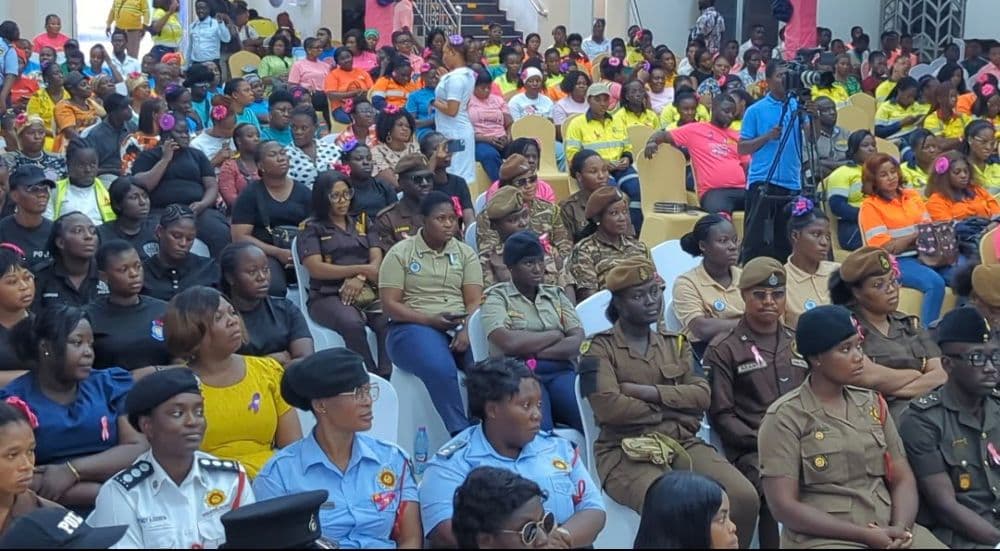
Accra, Ghana, October 1, 2026: October 13 is No Bra Day, meant to raise awareness about breast cancer screening and early detection. We’re told to examine our breasts ten days after our periods begin, to note every dimple and texture change, to schedule annual check-ups where doctors press and probe, searching for lumps that might kill us.
We are told that early detection saves lives, that mammograms are our first line of defence, that catching it early means we will be fine. cedirates.comBut what they don’t tell you is what happens after you find it early.
What they don’t tell you is that in Ghana, early detection can become the cruellest promise of all. My mother’s cancer wasn’t in her breast. It was found around her jaw. But the nightmare was the same. She got the diagnosis early, when oncologists still spoke about survival rates and treatment protocols with something resembling optimism. She had the surgery.
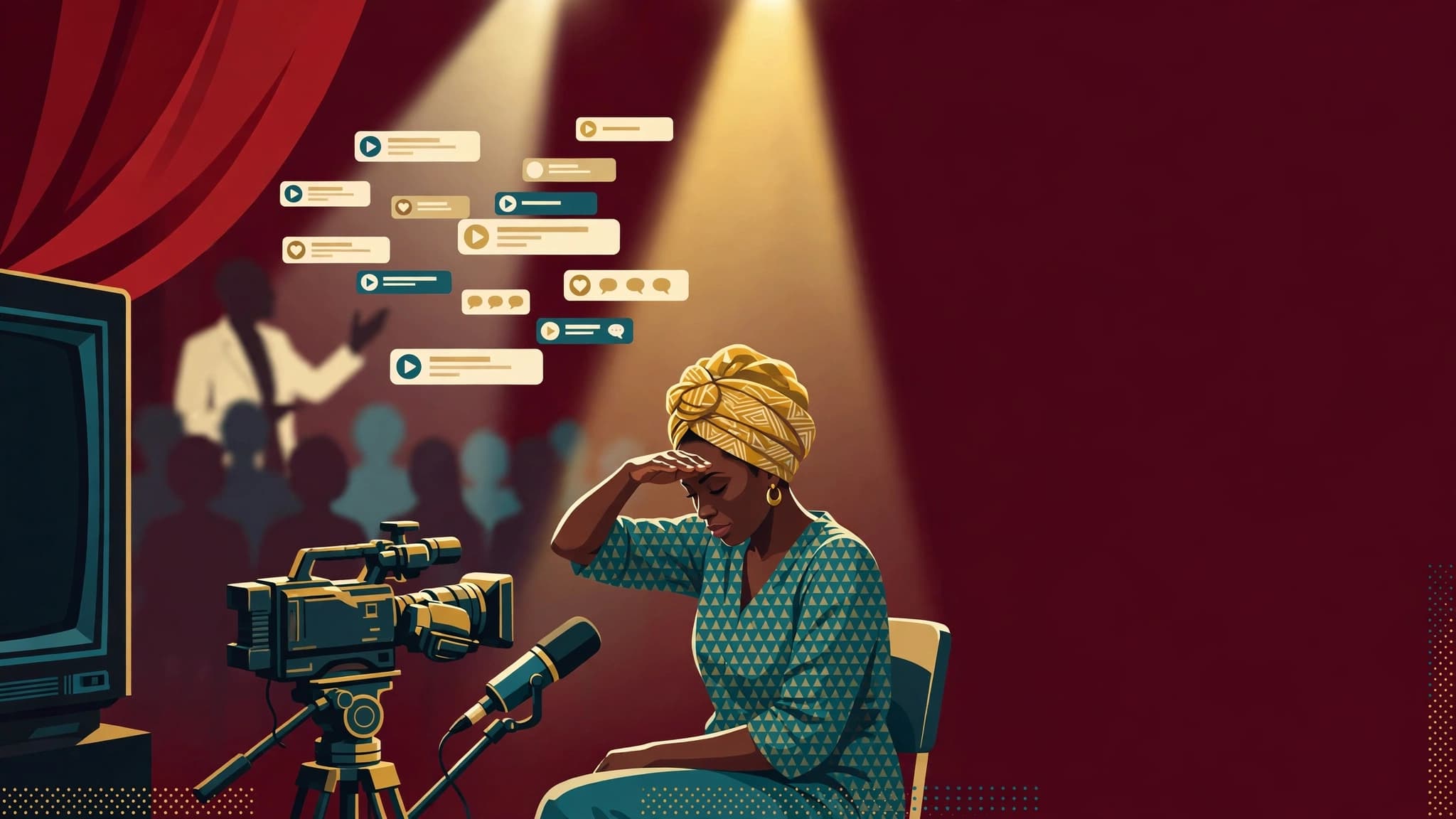
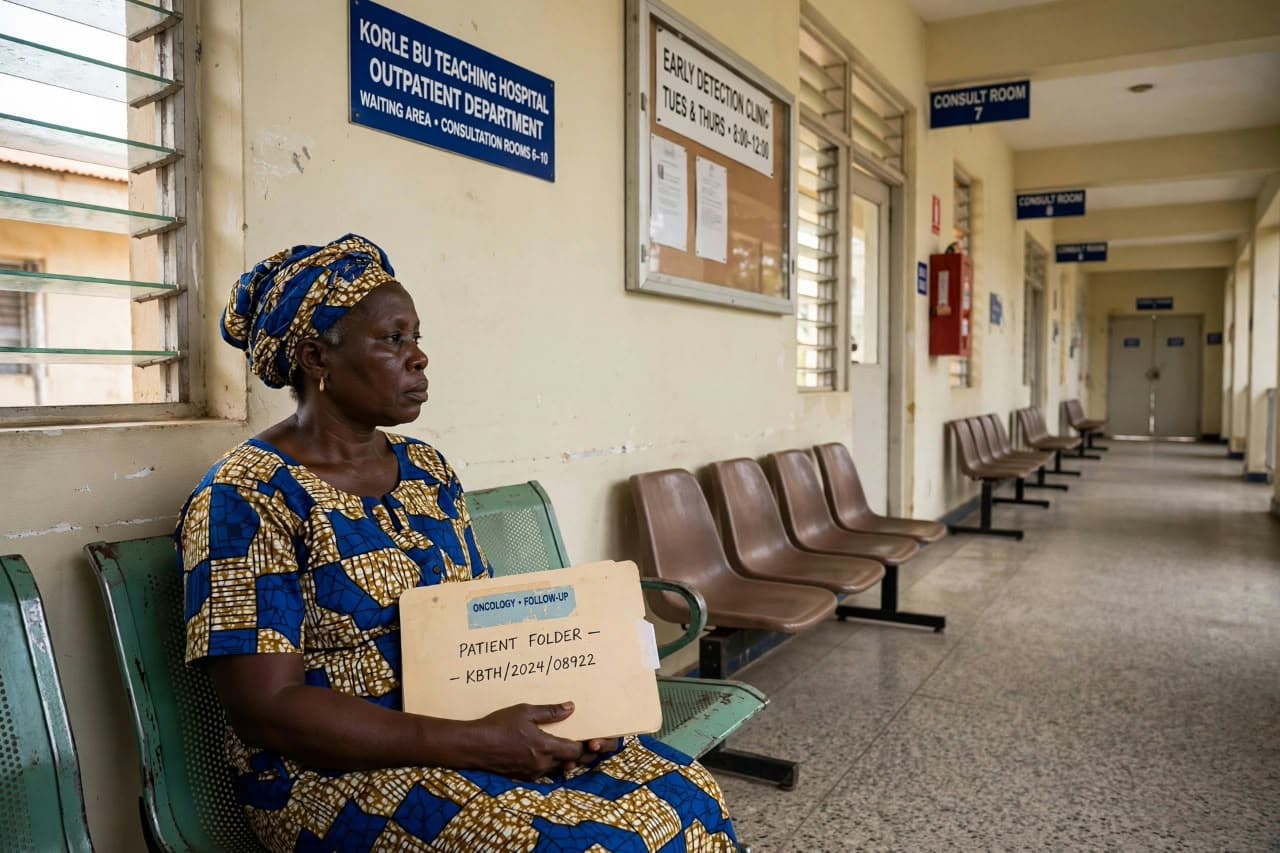
And then we entered the nightmare that no public health campaign warns you about, the one where early detection means absolutely nothing when the machines that could save your life don’t work. cedirates.comFor one and a half months, we went to Korle Bu Teaching Hospital every single day, hoping that today would be the day the radiation machine worked.
Every morning brought a fresh excuse. Spare parts are delayed. Technicians flying in from abroad. Systems needing recalibration. Meanwhile, the tumour grew back. We could see it happening, feel it spreading, and watch my mother’s body being reclaimed by the very disease we’d caught early. The machine that could have stopped it sat silent, a multi-million-dollar monument to our healthcare system’s failures.
Because here’s what the oncologists don’t tell you when they speak about survival rates and treatment protocols: cancer treatment isn’t a precise science. Chemotherapy and radiation aren’t guarantees.
They’re gambles, expensive, and brutal gambles that destroy your body whilst trying to save it. Some people endure every session, lose their hair, their dignity, their savings, and still die. Others skip treatment entirely and live for years.
There are factors at play that medicine doesn’t fully understand, variables that no amount of early detection can control.I’m not saying don’t get screened. I’m not saying early detection and treatment are worthless. I’m saying we need to stop pretending that finding cancer early is the same thing as surviving it, especially in a healthcare system where functioning equipment is treated as a luxury rather than a necessity.
When you go for that mammogram on No Bra Day, when you do your monthly self-examination, when you feel that lump and rush to the doctor, you need to know what comes after. You need to know about the queues that stretch for months. About the CT scanners that don’t work. About results that go missing. About having to pay extra for treatment, that should be your right.
About watching the cancer spread whilst you wait for machines to be repaired, for technicians to arrive, for your turn in a system that seems designed to make you fail. You need to know that even after you’ve paid for private care, even after you’ve travelled to Kumasi because the machines in Accra don’t work, even after you’ve done everything right, there are no guarantees.
Cancer doesn’t care about your treatment protocol. It doesn’t care that you caught it early. It doesn’t care how much you’ve paid or how long you’ve waited or how desperately you want to live. What oncologists should be giving us is the raw assessment, the unvarnished truth about what treatment actually means in a healthcare system like ours.
They should tell us about the wait times before we celebrate the early diagnosis.They should explain that radiation and chemotherapy work sometimes, for some people, under certain conditions that even they don’t fully understand.
They should give us the right to choose whether we want to spend our remaining time fighting a disease that might kill us anyway or living whatever life we have left on our own terms. My mother fought. She endured the surgery, the waiting, the delays, the radiation sessions that finally began when it was already too late. She did everything the doctors told her to do, trusted the system that promised her early detection would save her life.
It didn’t. The cancer killed her anyway, but not before she’d spent months trapped in hospitals, waiting for machines to work, hoping for treatment that came too late to matter. I think about that woman in The Big C, choosing to plan her son’s future instead of poisoning her present with treatments that might not work. I think about my mother, who never got that choice because we were too busy believing in the promise of early detection.
I think about all the women who will be encouraged to get screened on No Bra Day, who will find their lumps early and think they’ve saved their own lives, who don’t know yet that early detection in Ghana is only the beginning of a nightmare.
We need better than this. We need healthcare systems where early detection actually means something. Where the machines work. Where treatment doesn’t depend on your bank balance or who you know.Where oncologists tell you the truth about your odds instead of feeding you statistics that don’t account for broken equipment and three-month queues.
Until then, No Bra Day feels like a cruel joke. Go ahead and examine your breasts. Find that lump early. Get your mammogram. And then brace yourself for a healthcare system that will make you wish you’d never known at all.
Originally published in B&FT Weekend as part of Bridget Mensah’s Her Space column.