Accra, Ghana, November 1, 2026: A health specialist at Gold Fields Ghana has urged families and communities to stop labelling women going through menopause as witches, warning that the practice reinforces stigma and exposes women to emotional abuse and discrimination.
Dr Magdalene Bakari, Lead Specialist for Health Services at Gold Fields Ghana, said menopause was a natural stage in a woman's life, yet misconceptions surrounding the transition continued to influence how some women were treated by their families and communities.
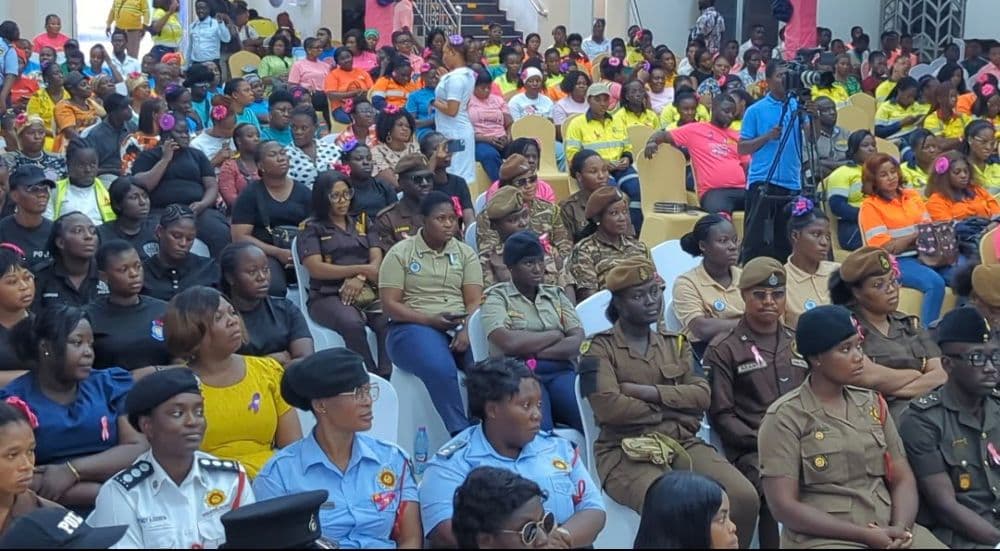
She made the appeal at Akoon in the Tarkwa-Nsuaem Municipality during a breast health and menopause awareness forum organised by the Gold Fields Ghana Foundation.
Dr Bakari said menopause remained a largely taboo subject despite being an inevitable experience for women. She observed that many families were unprepared for the physical and emotional changes associated with the transition and often lacked the knowledge to support women experiencing them.
“When it comes to menopause, it has become a taboo topic in society. We know every woman will go through it, but we never prepare our minds for it and we do not know how to support people going through it,” she said.
She warned that interpreting menopausal changes through superstition rather than understanding could leave women facing rejection and isolation instead of receiving the care they need.
The forum brought together residents of Gold Fields' host communities, employees, their spouses, representatives of corporate organisations and students.
Held under the theme, Beyond the Pink: The Full Picture, the programme formed part of the Foundation's activities for this year's Breast Cancer Awareness Week.
Beyond menopause education, the event also addressed breast cancer prevention and the importance of early detection.
Dr Bakari stressed that timely diagnosis and treatment could save lives, adding that sustained public education was necessary to encourage women to pay attention to their breast health and seek professional medical care when they noticed changes.
Participants had the opportunity to engage specialists, including a gynaecologist, surgeon and psychologist, on the medical and emotional support available to people affected by the conditions.
Dr Bakari said the Foundation had organised several awareness programmes, but more consistent education was needed to reach communities and help women lead healthier and more productive lives.
Some participants welcomed the initiative and called for similar programmes to be organised regularly to extend awareness to more people.