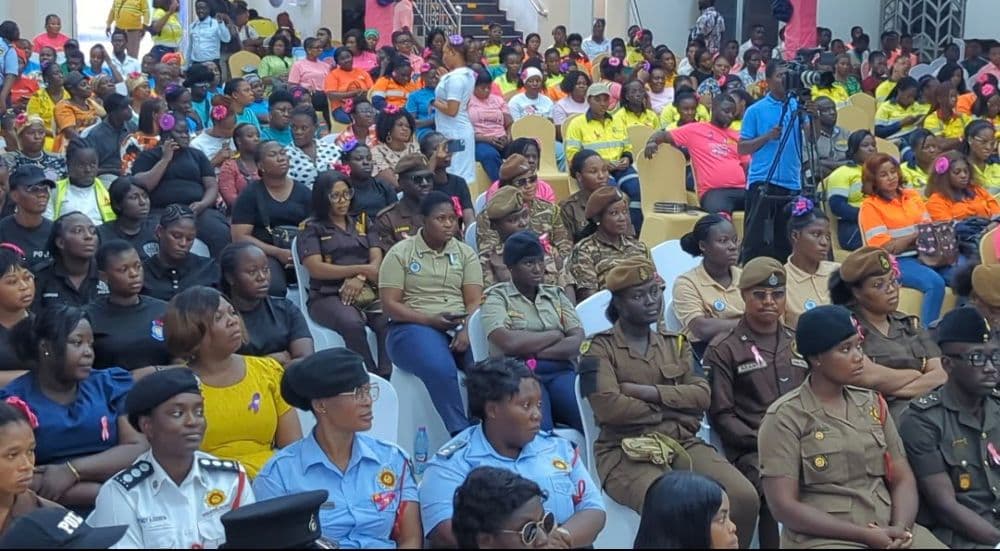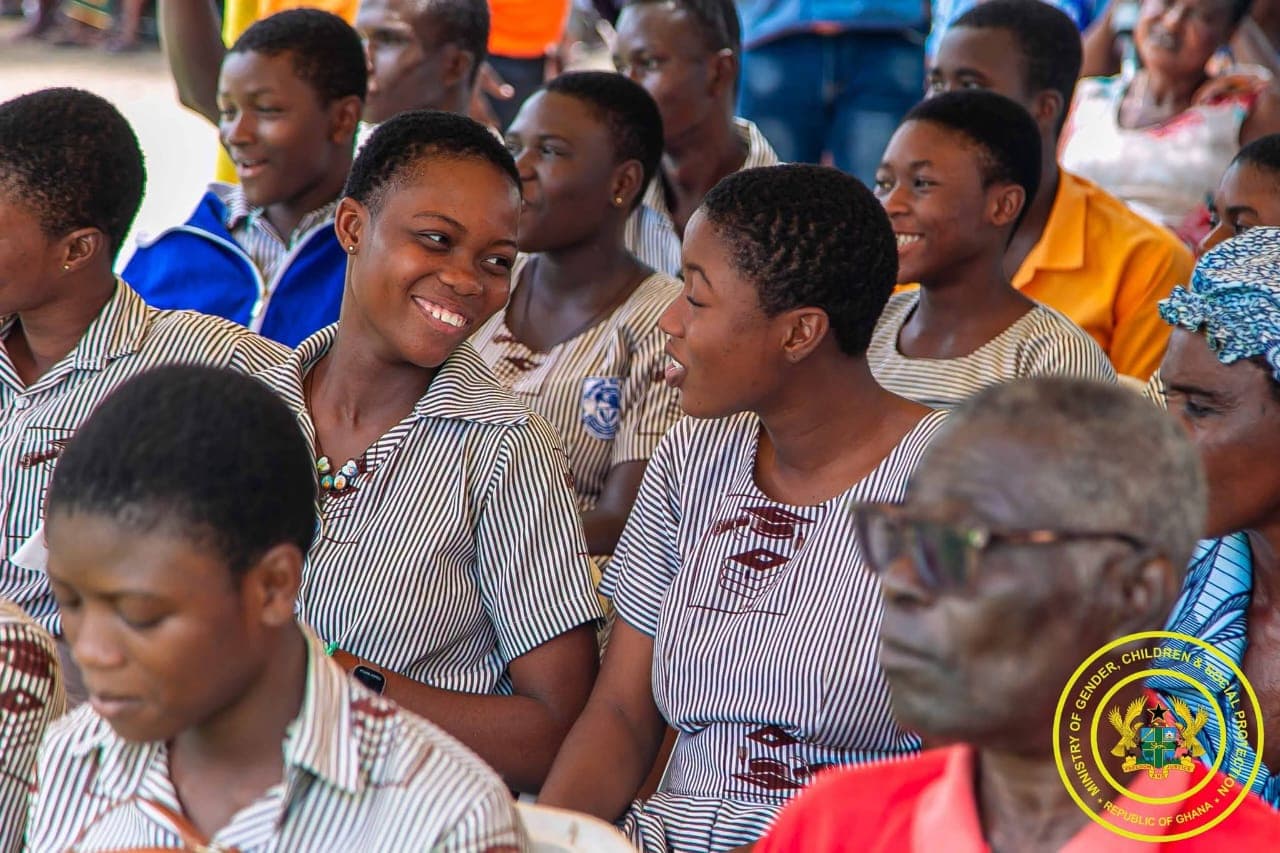
Accra, Ghana, October 16, 2026: Residents of Shai Osudoku in the Greater Accra Region have been encouraged to seek information on social protection programmes, report cases of domestic violence and raise concerns about barriers to accessing public services.
The call was made during a community dialogue organised by the Social Protection Directorate of the Ministry of Gender, Children and Social Protection (MoGCSP) on Monday, 5 October 2026. The engagement formed part of the Directorate’s Community Dialogue Series, which aims to bring information about social protection programmes closer to communities and gather feedback on issues affecting their wellbeing.
Speaking on behalf of the sector minister, Hon. Agnes Naa Momo Lartey, the Ministry’s Chief Director, Dr Marian W. A. Kpakpah, said social protection was important in helping individuals and households manage poverty and vulnerability while supporting their participation in national development.
She highlighted government interventions including Mahama Care, the No-Fee-Stress policy for tertiary students, free tertiary education for persons with disabilities, free primary healthcare, free sanitary pads for girls, Nkoko Nketenkete and Ajumawura.
The programmes were presented as part of the government’s efforts to expand social support and inclusion. However, the community dialogue also provided an opportunity to discuss the challenges residents face in accessing social protection services.
Residents encouraged to report abuse and seek support
Dr Kpakpah urged residents to use the Ministry’s Helpline of Hope toll-free numbers, 0800-800-800 and 0800-900-900, to seek information, report grievances and access support. She also provided the Orange Support Centre number, 0800-111-222, for people seeking assistance, including in relation to domestic violence.
She encouraged residents to speak openly about their difficulties and share recommendations that could help the Ministry improve its interventions.
The Chief Director also acknowledged the National Health Insurance Scheme (NHIS) for partnering with the Ministry to provide free registration and renewal services.
Access to information about available services is an important part of social protection. For vulnerable households, knowing where to seek help and how to report problems can influence whether they are able to obtain the support they need.
Traditional leaders call for better awareness
The Assembly Member for the Shai Osudoku area, Hon. James Tei-Mensah, welcomed the engagement and encouraged residents to participate actively in community dialogues, provide accurate information and seek assistance through the appropriate channels.
The Paramount Queen Mother of Osudoku, Nana Amponsah III, called for stronger public awareness and communication about social protection interventions to ensure eligible residents were not excluded.
She also urged traditional leaders, community members, the Assembly and relevant government institutions to work together to identify vulnerable people and connect them to appropriate services.
Issues discussed during the meeting included access to social protection programmes, assistance for vulnerable households, child protection, gender-related concerns, disability inclusion and other social welfare matters.
What happens after the dialogue?
The engagement gave the Social Protection Directorate an opportunity to receive feedback directly from residents and identify challenges requiring attention.
However, the Ministry’s account of the meeting did not specify the number of residents who participated, the particular barriers raised by community members, or the actions and timelines agreed to address them.
Those details would help establish what the dialogue revealed about access to social protection in Shai Osudoku and whether residents’ concerns will lead to changes in service delivery.
For Gender Lens Africa, the key question extends beyond whether information about social protection programmes reaches a community. It is whether eligible people can access the services, understand how to apply, report problems safely and obtain assistance when they need it.
Source: Ministry of Gender, Children and Social Protection,