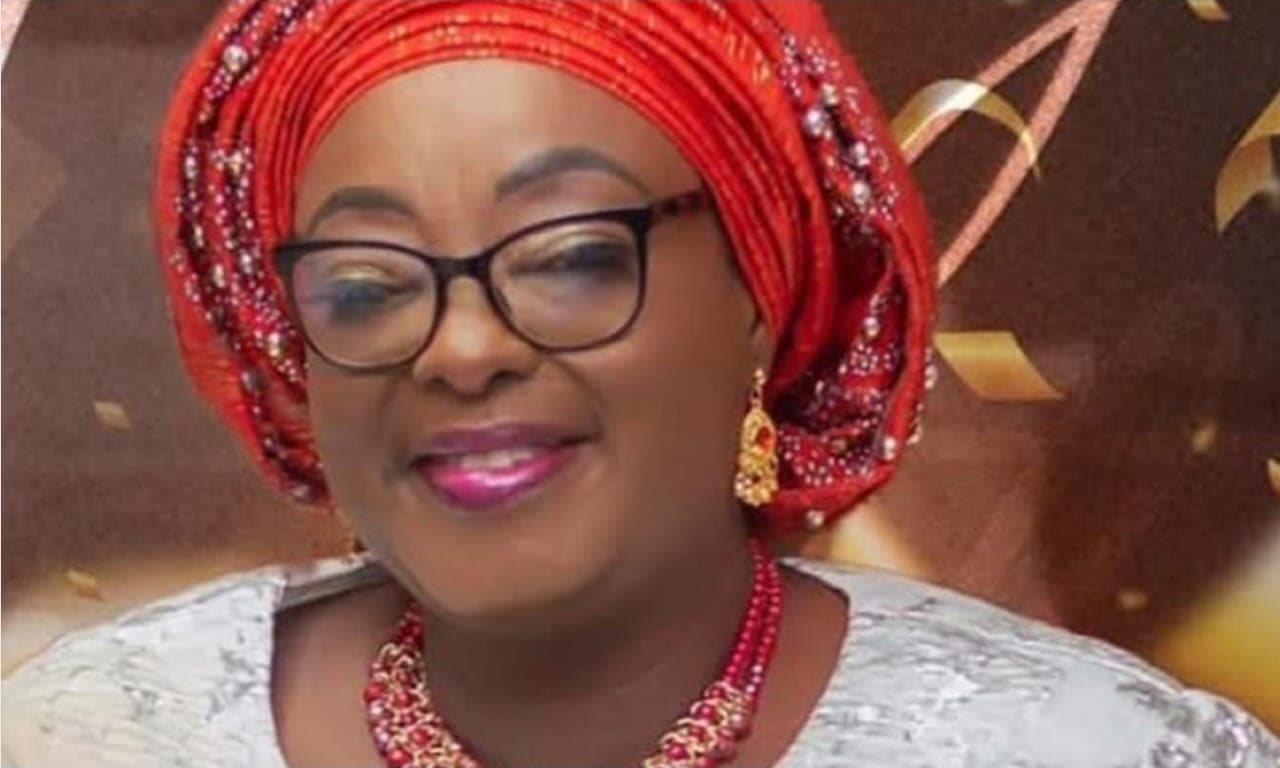
Accra, Ghana, October 22, 2026: The appeal by Dr Freda Prempeh, a former Deputy Minister of Gender, Children and Social Protection, has added to growing calls for action following allegations of sexual abuse involving female students at Obuasi Senior High and Technical School (SHTS).
In a report published on October 21, 2026, the Ghana News Agency (GNA) reported that Dr Prempeh had urged FIDA to intervene and help the affected girls and their families obtain justice. She also called for collaboration between the Ghana Education Service (GES) and the Ministry of Gender, Children and Social Protection.
The GES has interdicted the school's headmaster, Zakaria Abdulai, pending investigations into the allegations. The allegations have not been established in court, and the investigation must determine the facts and any individual responsibility.
Dr Prempeh's appeal raises an important question for Ghana's education system: when a student alleges sexual abuse by someone in a position of authority, can that student access independent legal support and protection without having to navigate the very institution in which the alleged abuse occurred?
The answer must be reflected in the systems schools have in place, not simply in assurances that the matter will be investigated.
Legal support must be accessible to affected girls
Dr Prempeh told GNA that some families found it difficult to seek justice in cases involving sexual abuse. She called for female lawyers and human rights advocates to support affected students and their families.
That support matters because reporting abuse and pursuing a complaint can involve several processes, including police investigations, child protection interventions and, where appropriate, criminal proceedings.
Families may not know where to begin, which institution to approach or how to respond when the person accused of abuse holds a senior position in a school. They may also need assistance understanding their rights, protecting their children from intimidation and navigating legal procedures.
FIDA's proposed intervention could help address some of these barriers if it includes appropriate legal advice, representation where available, referrals to specialist services and clear information about the options open to affected students and their families.
Legal support must also be accompanied by psychosocial care, medical assistance where needed and measures to protect students' privacy. A child should not have to choose between pursuing justice and protecting her education, dignity or wellbeing.
The problem extends beyond the individual accused
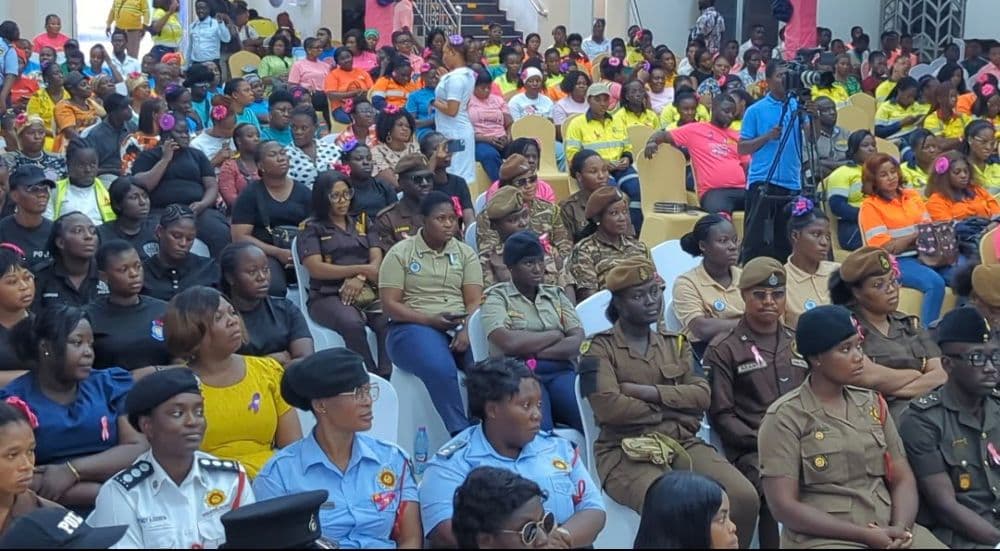
The allegations at Obuasi SHTS have prompted wider questions about the responsibility of school authorities and education officials to protect students.
In a separate GNA report published on October 21, Dr Prempeh called for Parent-Teacher Associations (PTAs) to become more involved in the activities of basic and second-cycle schools. She argued that stronger PTA participation, alongside enforcement of the GES code of conduct, could help address sexual abuse and other challenges in schools.
Parent involvement can contribute to safer learning environments. Parents and guardians may identify changes in a child's behaviour, raise concerns about school conditions and press for answers when complaints are not addressed.
However, PTAs cannot replace formal safeguarding systems or independent investigations. Nor should the responsibility for preventing abuse be shifted to parents, who may have limited access to information about what happens inside a school.
Schools and education authorities have a duty to establish clear reporting procedures, respond to complaints promptly and ensure that staff members are held to professional standards. These responsibilities remain in place regardless of how active a PTA is.
The National Council of Parent-Teacher Associations has also criticised the handling of the Obuasi allegations and called for action against anyone found to have committed or concealed wrongdoing. Its intervention reinforces the need to examine how complaints are received and acted upon, rather than treating parental involvement as the only answer.
What happens when a complaint is made?
The most important test of a safeguarding system is not whether a school has a policy or a committee. It is what happens when a student reports abuse, particularly when the complaint concerns a headmaster, teacher or another person with authority.
Students must have safe and confidential ways to report misconduct. They should be able to approach a designated safeguarding officer or an appropriate external authority without having to report first to the person implicated in their complaint.
Serious allegations must be referred to the relevant authorities, including the police and child protection services where appropriate. School administrators must not attempt to settle suspected criminal conduct through informal arrangements that leave students exposed to further harm.
The process must also protect complainants and witnesses from intimidation, retaliation, stigma and unnecessary exposure. Students should not be required to repeat traumatic experiences to multiple people when information can be shared appropriately between authorised professionals.
Ghana's Children's Act, 1998 (Act 560), provides a legal framework for the protection of children's rights and addresses the reporting of child abuse and protection cases. Section 17 requires a person with information about child abuse or a child in need of care and protection to report the matter to the relevant Social Welfare and Community Development Department.
The existence of legal provisions, however, does not by itself establish whether reporting mechanisms are accessible, whether complaints are handled promptly or whether officials fulfil their responsibilities. Those questions require examination of how the system operates in practice.
Accountability must include institutional failures
Investigating the allegations against the headmaster is essential. Equally important is establishing whether any complaints were previously raised, who received them, what action was taken and whether any failures contributed to the students' vulnerability.
These questions must be investigated on the evidence, without presuming that any particular official is guilty of wrongdoing.
Where an institution receives a credible complaint, it must take appropriate steps to protect the student and refer the matter to the relevant authorities. Where evidence establishes that an official deliberately ignored a complaint, obstructed an investigation or breached a professional duty, that conduct should be addressed through the applicable disciplinary or legal processes.
The GES should be able to demonstrate how complaints are recorded, escalated and tracked, including when they involve senior school officials. A reporting process that depends on the goodwill of the person receiving the complaint cannot provide sufficient protection when that person has a conflict of interest.
Independent oversight is therefore essential. Students and parents need a route outside the school's management structure when they believe a complaint has been ignored or mishandled.
PTAs can help, but they cannot carry the system
Dr Prempeh's call for stronger PTAs offers an opportunity to clarify the role parents can play in school safeguarding.
PTAs can help communicate child protection policies, inform families about reporting channels, raise concerns about school welfare and demand transparent responses from education authorities. They can also help ensure that parents understand that students should be able to report inappropriate conduct without fear of being blamed.
But PTAs must be equipped to perform these roles without interfering with criminal investigations, exposing complainants or attempting to mediate allegations of sexual abuse.
Their involvement should complement, rather than substitute for, trained safeguarding personnel, clear professional standards and accessible external reporting mechanisms.
Schools must also educate students about appropriate boundaries, their rights and the people they can approach for help. Such education must never imply that a child's clothing, behaviour or perceived attractiveness makes her responsible for an adult's sexual misconduct.
The responsibility for maintaining professional boundaries rests with adults. Where sexual abuse is alleged, the response must focus on establishing the facts, protecting the student and ensuring that the appropriate processes are followed.
Justice must be measured by what happens next
FIDA's intervention could provide an important source of legal support for affected girls. But the wider response must also ensure that students receive the care they need, investigations proceed without undue delay and any established wrongdoing is addressed through the appropriate legal and disciplinary processes.
The GES and relevant ministries must be able to explain what safeguards are in place, how complaints can be escalated beyond school management and what protections are available to students and witnesses.
The outcome must not be measured solely by whether an individual case reaches court. It must also be measured by whether affected students can continue their education safely, whether their privacy is respected and whether institutional failures identified during the process lead to corrective action.
The allegations at Obuasi SHTS are a reminder that a school's responsibility extends beyond teaching and examination results. Students are entrusted to these institutions for their education and welfare.
Parents can help monitor that responsibility. Lawyers can help families pursue justice. Civil society can demand accountability. But the institutions charged with protecting students must demonstrate that their systems work when protection is most needed.
No girl should have to depend on personal connections, public attention or the intervention of a prominent individual to have a complaint of sexual abuse taken seriously.