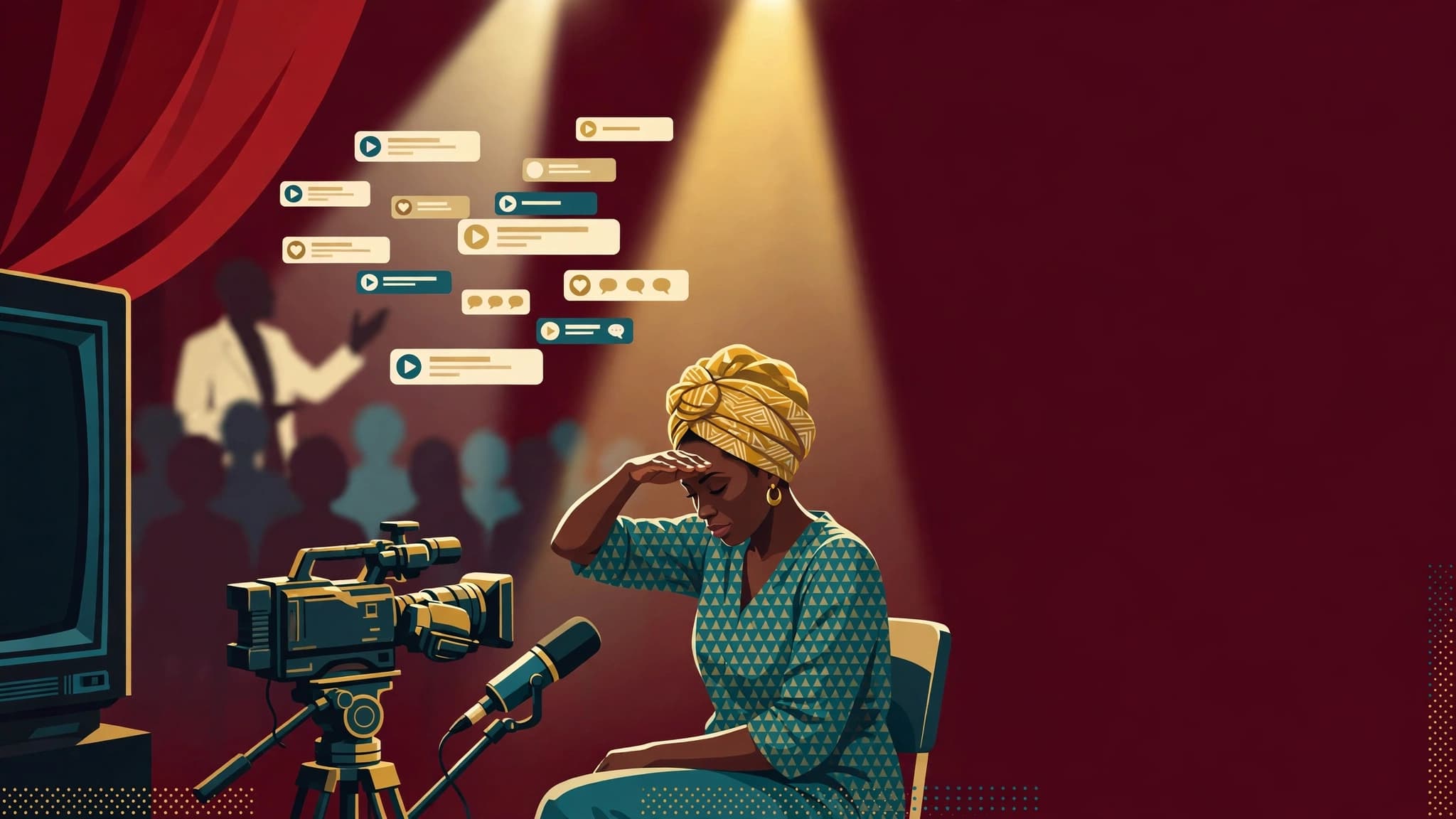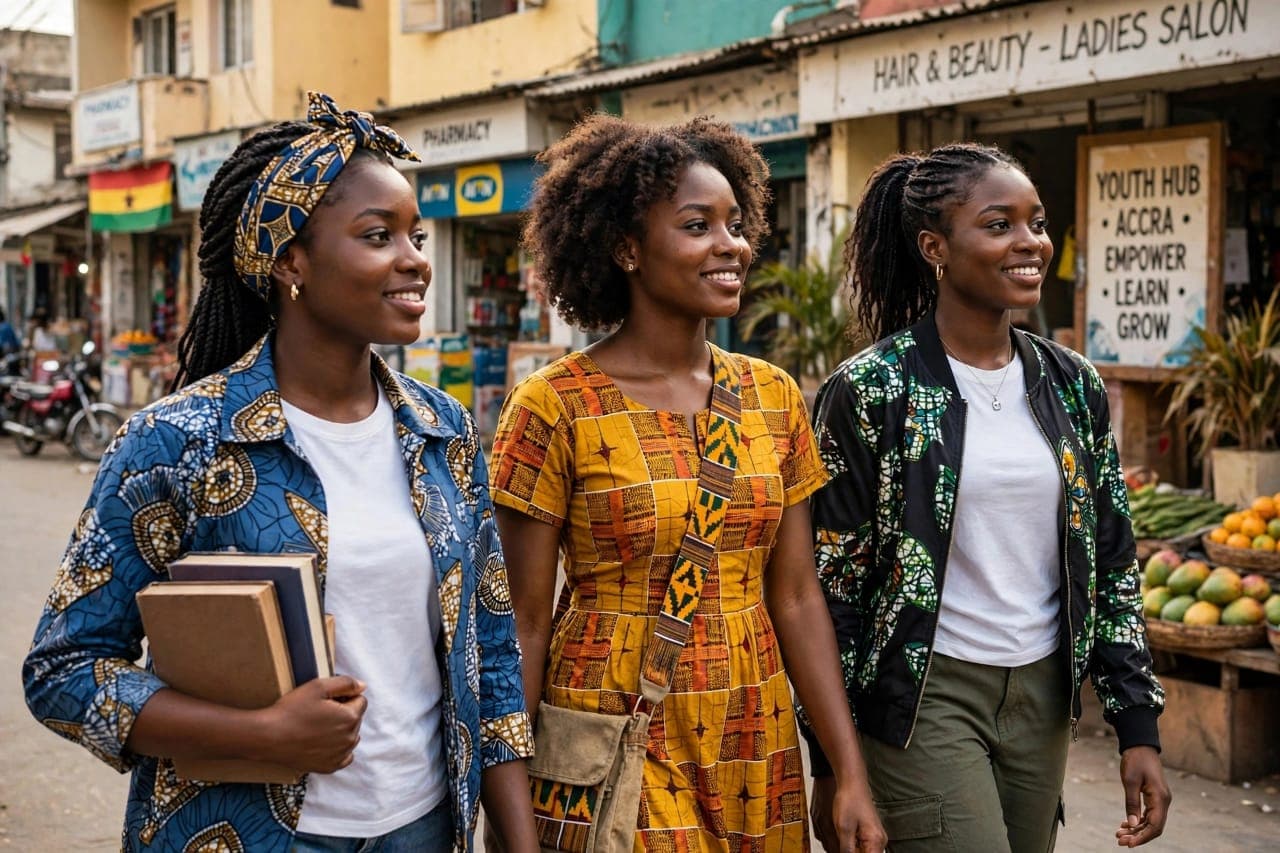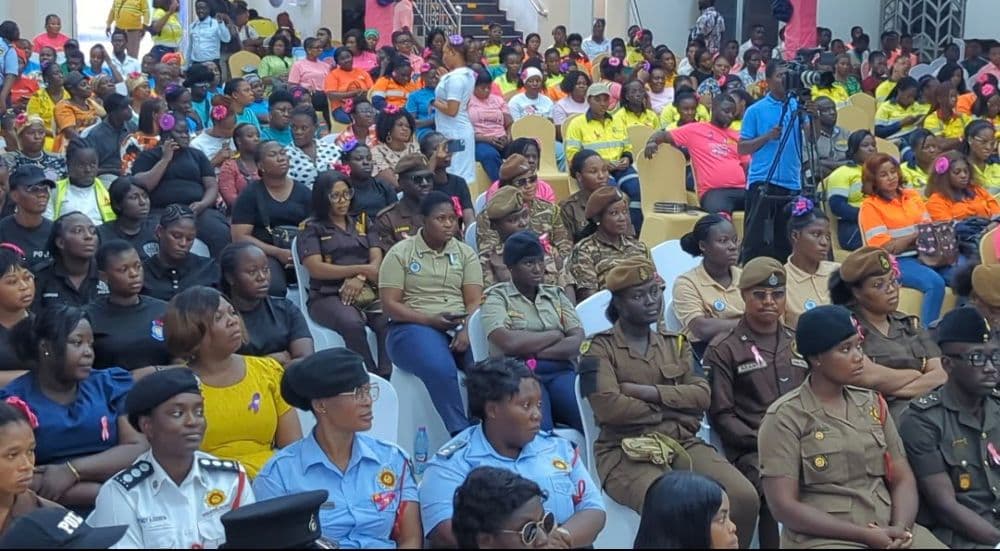
Accra, Ghana, October 18, 2026: A woman in Ghana may wake repeatedly at night, struggle with joint pain, notice changes in her periods or feel unusually anxious and exhausted. She may still be expected to go to work, run a business, care for children or support older relatives. If she does not recognise these changes as possibly linked to perimenopause or menopause, she may spend months managing them without knowing what help exists.
Even when she seeks medical attention, a clear explanation and appropriate treatment may not follow. Symptoms can overlap with other conditions, while the World Heath Organization (WHO) identifies gaps in health workers' training and in access to menopause-related information and services as continuing challenges.
These experiences are not simply a private matter for women to endure. They raise questions about health information, medical training, workplace support and whether women can access appropriate care as they age.
World Menopause Day falls on 18 October. For 2026, the International Menopause Society (IMS) is focusing on chronic pain at midlife, including its possible relationship with the menopause transition and the need for appropriate assessment and support.
Ghana also has a local evidence base. A qualitative study published in BJOG: An International Journal of Obstetrics & Gynaecology in 2026 examined how women in Ghana experience menopause, including its effects on work, emotional wellbeing, daily activities and access to healthcare. Its findings point to a transition that deserves more attention from health professionals, employers and policymakers.
What is menopause, and when does it happen?
The WHO describes menopause as a natural stage that marks the end of a woman's reproductive years. Natural menopause is confirmed after 12 consecutive months without menstruation, provided there is no other physiological or medical explanation. Most women reach it between 45 and 55, although the timing varies.
The lead-up is called perimenopause. The WHO defines it as the period from the first changes in the menstrual cycle until one year after the final period. It can last several years, and symptoms vary widely. Some women have few, while others find that changes in their bodies, sleep, mood or sexual wellbeing disrupt everyday life.
Menopause can also come earlier because of surgery or medical treatment, and premature menopause, before 40, has its own causes. Understanding the distinction matters because women may need information and support during the transition, not only after their periods stop.
The WHO also stresses that menopause is a social experience as well as a biological one. Family expectations, cultural attitudes to ageing, work responsibilities and access to healthcare all shape how women live through it.
Why chronic pain is the focus of World Menopause Day 2026
Joint pain, muscle aches and other persistent pain can affect movement, sleep, concentration and the ability to carry out everyday tasks. Pain is commonly described as chronic when it persists or recurs for three months or longer. Not every new ache should be blamed on menopause, because pain has many causes.
A 2026 systematic review and meta-analysis of 37 observational studies involving 93,021 women compared muscle and joint pain across reproductive stages. It estimated that 40% of premenopausal women, 57% of perimenopausal women and 59% of postmenopausal women reported such pain.
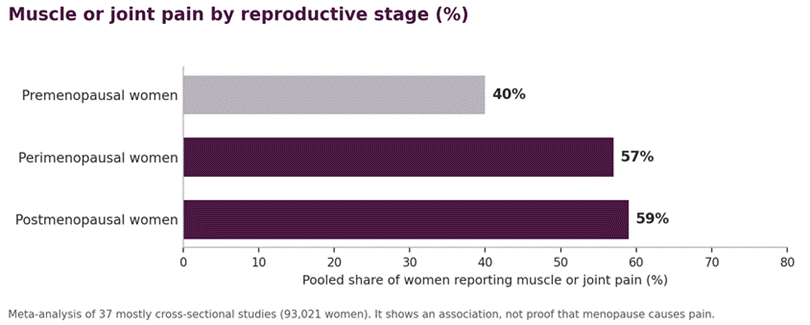
Read these figures with care. Nearly all of the studies were cross-sectional, they used different methods, and age itself raises the risk of pain, so the review shows an association, not proof that menopause causes it. Only one of the 37 studies came from Africa, which means the evidence says little about Ghanaian women specifically.
The IMS says chronic pain around the menopause transition is underestimated in research and healthcare, and its 2026 campaign calls for individualised care that takes women's symptoms seriously. For women in Ghana, that means persistent pain should neither be dismissed as an inevitable part of ageing nor automatically blamed on hormones. Proper assessment finds the cause and guides treatment.
What Ghanaian women's experiences tell us
The study, Menopause as an Embodied and Occupational Disruption: A Qualitative Study of Women's Experiences in Ghana, looked at women's accounts across community and hospital settings. Its authors identified themes including physical symptoms that disrupted daily life, emotional distress often concealed because of stigma, financial and occupational strain, and barriers to healthcare. Participants also described coping through herbal remedies and by withdrawing from social activities.
Menopause affected more than physical health. Symptoms could shape women's confidence, relationships, ability to work and capacity to meet responsibilities at home. The study set its findings in a context where women's lives are shaped by informal trade, caregiving and gendered work roles. When women lack reliable information or find care hard to reach, they may manage alone.
Circumstances matter. A woman whose income depends on daily trading, farming, domestic work or other physically demanding activity may have little room to rest when symptoms become hard to manage. Someone in formal employment may have paid leave but still feel unable to tell a supervisor. These are different experiences, and income, job security, family support and access to health services all shape the options.
The study is qualitative, so its findings provide detailed accounts of women's experiences rather than a nationally representative estimate of how many Ghanaian women face each challenge. Its value lies in showing how menopause can intersect with health, work and social expectations, and in identifying questions for further research.
Why symptoms can go unrecognised
Menopause does not look the same for everyone. Period changes, hot flushes and night sweats are familiar to many women, but other symptoms are less readily recognised. The WHO lists sleep difficulties, mood changes, anxiety, depression, vaginal dryness, pain during sex and urinary symptoms among them.
When awareness is low, women may not connect these experiences with the transition. Embarrassment and stigma can make it harder to raise intimate symptoms, emotional distress or sexual wellbeing with a clinician. The WHO identifies gaps in public awareness, health-worker training and access to menopause-related services as wider public-health challenges.
Recognising menopause does not mean assuming it explains every symptom. Persistent fatigue, low mood, pain and irregular periods can have other causes, and some conditions arise at the same time as perimenopause. That is why assessment matters.
Bleeding changes need particular attention. Heavy or prolonged menstrual bleeding can contribute to iron-deficiency anaemia and should be assessed, especially if it affects daily activities or is accompanied by fatigue or weakness. The NHS advises that any vaginal bleeding after menopause, even a single episode of light spotting, should be checked by a healthcare professional. It does not necessarily indicate cancer, but it should not be ignored.
Menopause, work and the cost of coping
The impact does not end when a woman leaves the clinic. Symptoms can affect attendance, productivity, confidence and the ability to finish everyday tasks. The Ghanaian study's findings on occupational and economic strain ask how workplaces respond when women face disruptive symptoms in midlife.
Menopausal hormone therapy can help some women manage symptoms such as hot flushes and night sweats, but it is not suitable for everyone. A qualified clinician should discuss its potential benefits, risks and alternatives in light of a woman's medical history and preferences. Non-hormonal medicines and psychological approaches may also help. The National Institute for Health and Care Excellence (NICE) guideline in England recommends considering menopause-specific cognitive behavioural therapy (CBT) for some symptoms, including sleep problems and low mood associated with menopause. This is UK guidance, not Ghanaian clinical policy.
These questions belong in Ghana's public conversation about women's health and economic participation. Many women in midlife balance paid work with unpaid care, yet menopause is often absent from workplace wellbeing discussions.
Practical support does not have to start with a complicated policy. Employers can let workers raise health concerns confidentially, offer reasonable flexibility, train supervisors to respond respectfully and connect staff with occupational health advice. Access to drinking water and toilets also matters, because the WHO Bulletin notes that difficulty meeting basic needs related to water and sanitation can limit women's ability to manage symptoms.
Such measures should complement clinical care, not replace it. Menopause is not an illness in itself, but symptoms that interfere with daily life deserve attention.
What care should women be able to access?
Women should be able to get clear information about menopause, discuss symptoms without shame and make informed treatment decisions with a qualified clinician. The WHO says social, psychological and physical support through the transition should be an integral part of health care, and that a variety of non-hormonal and hormonal interventions can ease symptoms.
For some women, menopausal hormone therapy helps with hot flushes and night sweats. It does not suit everyone, and its benefits and risks need discussion with a clinician. Non-hormonal medicines and psychological approaches may help too. Guidance in England says cognitive behavioural therapy (CBT) can be considered for low mood or anxiety that arises from menopause.
Persistent pain needs its own assessment. A clinician may need to consider musculoskeletal conditions, injuries or other medical causes, not assume hormones are responsible.
Access also depends on affordability and reliable information. Women need to know where to seek advice, what services exist and which treatments suit them. Social media helps people share experiences, but commercial claims are not medical evidence. One content analysis found that 661 of 1,000 Instagram posts using menopause hashtags promoted branded supplements.
For Ghana, an important next step is to map what menopause information, clinical services and treatment options exist across public and private settings, including outside major cities. That evidence should guide decisions on training, service delivery and public education.
What Ghana needs to do differently
World Menopause Day should be more than an annual awareness message. It is a chance to ask what women can expect from the health system, their workplaces and the institutions responsible for public health.
Make reliable information easier to find: Public education can explain the difference between perimenopause and menopause, identify symptoms that need attention and direct women to qualified care. Information should be understandable and culturally relevant, reaching women through channels they already use, including community health services and radio.
Strengthen clinical training and support: Menopause should feature in clinical education so healthcare workers can recognise symptoms, investigate other possible causes and explain treatment choices. Women should be able to discuss physical, emotional and sexual health without being dismissed.
Examine affordability and access: Policymakers and health managers should assess which menopause-related consultations, investigations and treatments are available, where services are lacking and what women pay out of pocket. Without evidence on cost and access, calls for better care risk remaining general.
Make workplaces more responsive: Employers can provide confidential ways for staff to raise health concerns, train managers to respond respectfully and consider reasonable adjustments where needed. Support should extend to women in informal employment, who may have little access to paid leave or workplace health services.
Invest in research that reflects women's lives:The 2026 qualitative study offers valuable insight, but Ghana also needs research into the prevalence of symptoms, regional and occupational differences, healthcare use and barriers to treatment. Women's own experiences should help shape the research questions and the responses that follow.
What women can do when symptoms persist
You do not have to wait until your periods stop to ask for advice. If symptoms affect sleep, mood, movement, relationships or work, a conversation with a qualified clinician can identify causes and options. The WHO notes that pregnancy is still possible during perimenopause, so ask about contraception until 12 consecutive months without a period.
Keeping a simple record of symptoms, period changes, sleep and pain makes the conversation more specific. Ask which conditions should be considered, which treatments exist, what benefits and risks they carry and what follow-up will cost.
Severe or sudden pain, chest pain, difficulty breathing, new neurological symptoms or heavy bleeding with faintness need urgent medical attention. Bleeding after menopause should be assessed promptly, even if light. Be cautious about products marketed online as guaranteed menopause cures, and make treatment decisions with reliable medical advice.
Menopause care is a matter of health and dignity
Menopause is a natural stage of life, but women should not have to navigate disruptive symptoms without reliable information, appropriate assessment or support.
Ghana's 2026 research provides a starting point for understanding how menopause affects women's health, livelihoods and daily responsibilities. The evidence on chronic pain also highlights the need to investigate symptoms rather than dismiss them as an inevitable part of ageing or assume that hormones explain everything. The next step is practical: strengthen health-worker training, improve access to trustworthy information and appropriate care, support further Ghanaian research, and encourage workplaces to respond to women's health needs. Awareness matters, but women need services and support that continue after World Menopause Day has passed.
This article is for public information and does not replace individual medical advice.
Sources and further reading
• World Health Organization: Menopause fact sheet
• International Menopause Society: World Menopause Day 2026
• Tweneboah-Koduah and colleagues: Menopause as an Embodied and Occupational Disruption, a qualitative study of women's experiences in Ghana (abstract and 2025 preprint)
• Systematic review and meta-analysis of musculoskeletal manifestations of perimenopause
• WHO Bulletin: Towards a more accurate global picture of perimenopause
• NICE guideline NG23: Menopause, identification and management
• NHS: Postmenopausal bleeding
• Content analysis of menopause supplement posts on Instagram