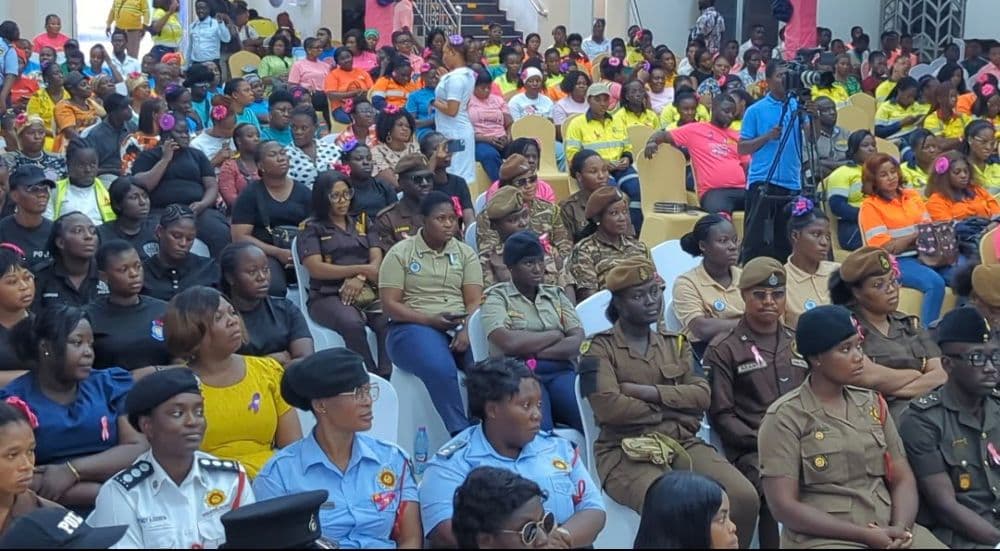
Accra, Ghana, October 22, 2026: Red Wednesday was more than a show of solidarity. It was a public call to protect girls, hold perpetrators accountable through due process and ensure that schools and other institutions fulfil their responsibility to safeguard children.
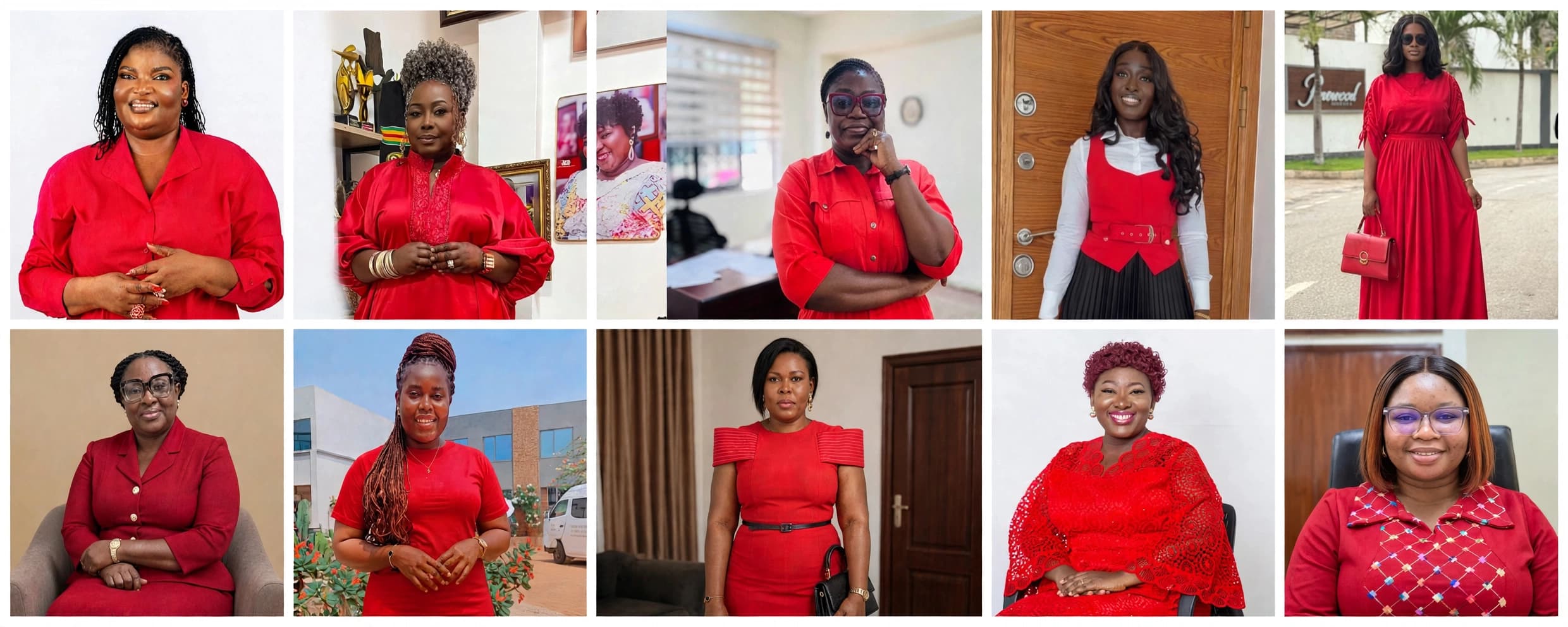
Across Ghana, women used their platforms to speak out against sexual abuse and express support for the girls of Obuasi Senior High Technical School (Obuasi SHTS). Their messages differed in wording, but they shared one demand: Hands Off Our Girls.
The campaign called on the public to look beyond political affiliation, social status and professional position. The safety, dignity and future of girls, its message made clear, must come first.
Hands Off Our Girls: Why women wore red
For the Centre for Gender Studies and Advocacy (CEGENSA), wearing red was a statement about every girl's right to an education free from harassment, intimidation and victimisation.
In its campaign message, CEGENSA declared its solidarity with the Obuasi SHTS girls and joined the Network for Women's Rights in Ghana (NETRIGHT) and other gender justice advocates in demanding accountability.
“Our girls deserve safety, dignity, and justice,” the organisation stated.
CEGENSA also called for stronger protection systems, emphasising that children should never have to fear for their safety in institutions entrusted with their education and care.
The campaign's central message, “Hands Off Our Girls”, captured the urgency behind these demands. It was a warning against sexual abuse and exploitation, and a call for adults and institutions to respect their responsibility to protect children.
From wearing red to demanding accountability
For Felicity Nelson, the campaign was also an opportunity to reaffirm her commitment to protecting girls from sexual abuse.
“I wear red to symbolise my commitment to ensuring that girls should be free from sexual abuse whilst seeking an education,” she wrote.
Felicity Nelson also raised concern about the reported lack of an arrest in the Obuasi SHTS case at the time of her post, reflecting calls for a prompt and transparent response from the relevant authorities.
Her message reinforced a central concern of Hands Off Our Girls: public expressions of solidarity must be matched by action to protect affected students and pursue justice.
Fati Shaibu-Ali focused on the responsibility of those entrusted with children's care.
“When the very people entrusted with protecting our children become the predators, we cannot afford to remain silent,” she wrote.
Shaibu-Ali said she wore red to stand with the Obuasi SHTS girls, amplify their voices and demand justice. She also called for every allegation to be thoroughly investigated and for those found responsible to be held accountable.
Her message underscored the need to protect children from abuse and from the lasting trauma it can cause.
Hands Off Our Girls means listening, protecting and acting
Other participants expressed the campaign's message in equally direct terms.
Eunice Tornyi urged the public to speak up for girls, writing: “Let's speak up for our girls.”
Louisa Kwakye described her vision for a country where girls' safety is never compromised and their voices are not dismissed.
“A Ghana where no girl's safety is compromised, no voice dismissed, and the pursuit of justice runs its full course,” she wrote.
“This is the Ghana I want.”
These messages reflect the wider ambitions behind Hands Off Our Girls. Protecting girls requires more than condemning abuse after it has occurred. It requires institutions to take complaints seriously, protect children who report abuse, provide appropriate support and ensure that investigations are conducted fairly and thoroughly.
Girls must be able to attend school without fear, seek help without stigma and pursue their ambitions without having their safety compromised.
Red Wednesday must lead to lasting change
The campaign was not intended to end when participants took off their red clothing. Its message was that solidarity must be sustained through advocacy and concrete action.
The demands include justice for the affected students, access to appropriate medical and psychosocial support, accountability for anyone found responsible through due process, and meaningful reforms in schools and other institutions responsible for protecting children.
The allegations involving Obuasi SHTS require a thorough and impartial investigation. The affected students must be protected from intimidation and retaliation, and their welfare must remain central throughout the process.
The campaign also challenges society to examine whether existing child protection systems work as they should, including how complaints are received, how evidence is preserved and how institutions respond when the safety of children is at risk.
Hands Off Our Girls is a call for more than solidarity. It is a demand that girls be protected, their voices taken seriously and their right to safety upheld.
Women across Ghana wore red on Wednesday to make that demand visible. The responsibility now is to ensure that the message translates into justice for the affected students and lasting change in the systems meant to protect them.