One model can command GH¢10,000 for a shoot. Others describe unpaid or poorly paid work, with little bargaining power when a booking comes with demands they did not agree to.
Accra, Ghana, September 18, 2026: Actress and brand influencer Ahoufe Patri made headlines in 2024 when she revealed on Joy Prime TV that musicians pay her at least GH¢10,000 to appear in a music video. But she also made clear that money is not the only consideration: the song has to appeal to her before she accepts the job.
That is a fee few newcomers can command.
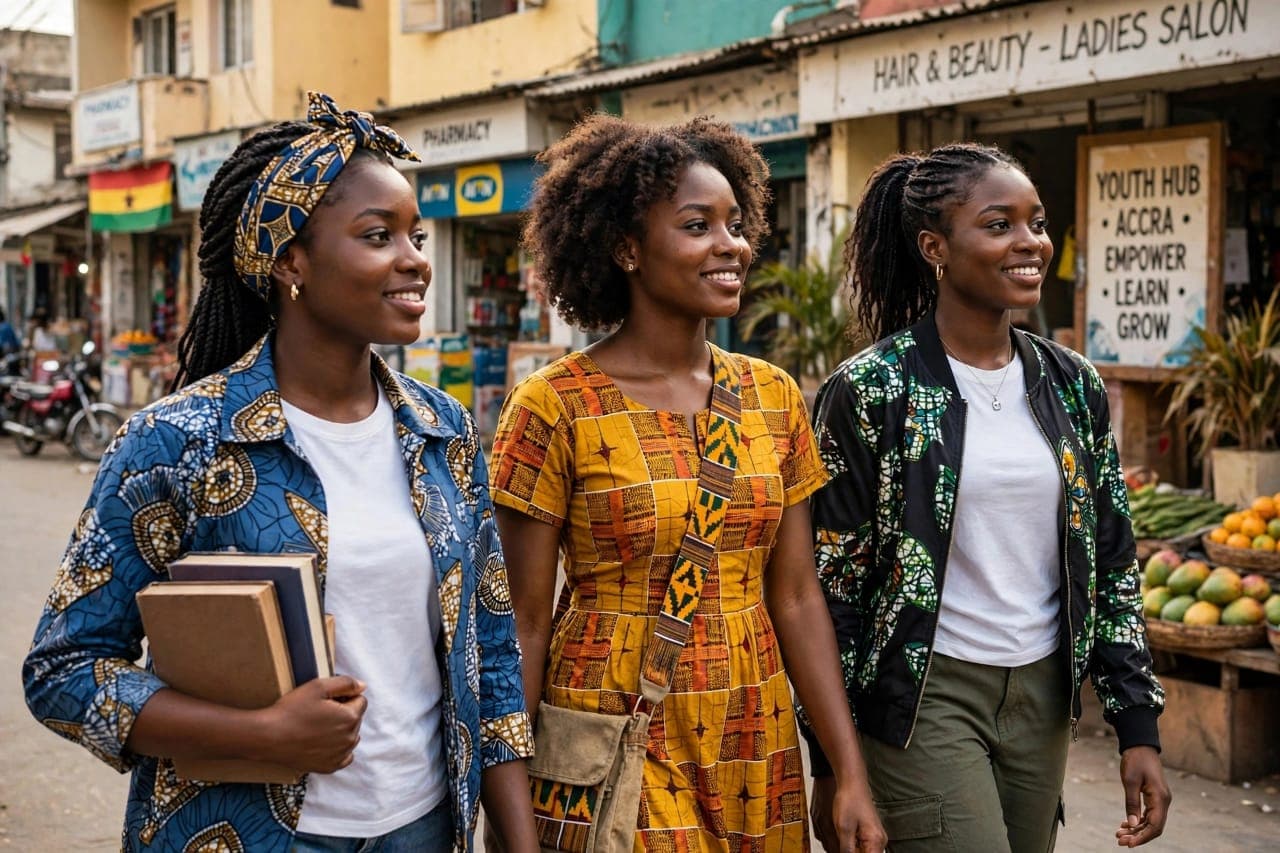
For women trying to enter Ghana's modelling and creative industries, the experience can look very different.
Model Kate Tachie Menson, who won the M-Net Face of Africa pageant, has described modelling in Ghana as an industry where women can work for free or be poorly paid. She has contrasted this with South Africa, where she said models are more likely to be paid and treated as professionals.
Model Aisha Med has also spoken publicly about alleged sex-for-job arrangements in Ghana's modelling industry, saying some models accept unpaid work rather than lose opportunities.
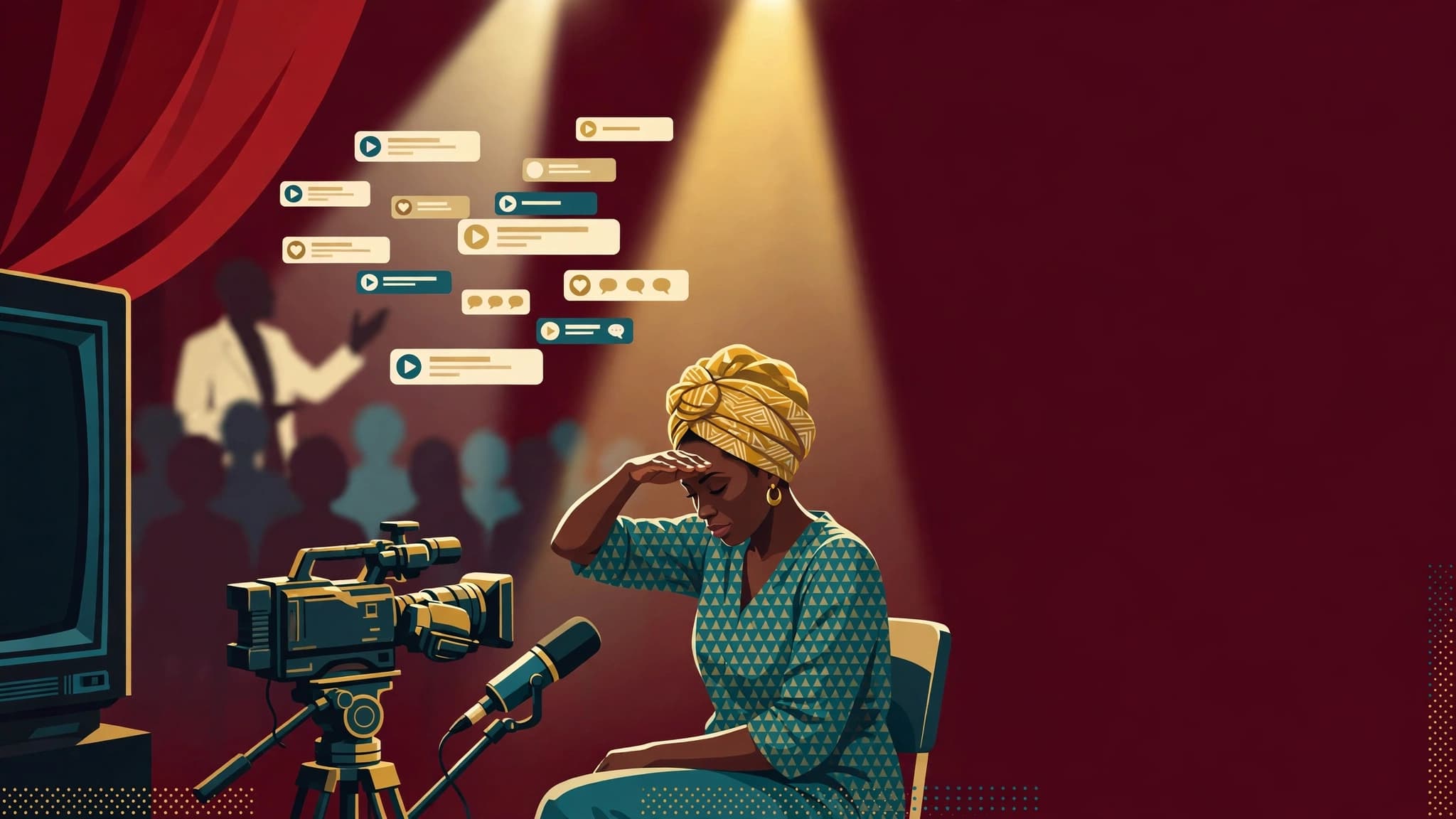
Taken together, these accounts point to a wider problem: the ability to negotiate in Ghana's creative gig economy can depend heavily on how much leverage a woman already has.
The issue is not that some women earn well from their image. It is what happens to those with little bargaining power when the price of an opportunity includes demands they did not agree to.
How much do Ghanaian video vixens and models get paid?
Ahoufe Patri's GH¢10,000 fee illustrates the upper end of what an established personality can command for appearing in a music video. But her experience does not represent the wider modelling and video-vixen market.
Kate Tachie Menson has described a very different reality, including unpaid and poorly paid modelling work. Her account points to a familiar problem in creative industries: newcomers may need exposure and access to opportunities before they have enough bargaining power to negotiate what those opportunities are worth.
The result is a sharp difference between being visible and being able to turn visibility into decent, predictable income.
For an established woman, saying no to a poorly paid job may be possible. For someone trying to build a career, refusing an opportunity can mean losing income, exposure or access to the networks that lead to future work.
What sexual harassment risks do women face in Ghana's creative industry?
The concerns go beyond payment.
Across Ghana's film, music and modelling industries, women entering male-dominated creative spaces have described experiences in which access to opportunities has been accompanied by pressure to cross sexual boundaries.
Actress Lydia Forson has recalled a producer asking to see her breasts during an early audition. She walked out. She has also said other actresses told her that producers had pointed to colleagues who complied with similar demands and threatened to blacklist those who refused.
Musician Seley has similarly spoken about producers she encountered while trying to establish herself in Ghana's music industry, saying some showed greater interest in sex than in her talent.
Research has found that these experiences are not necessarily isolated.
A 2020 University of Ghana study on sexual harassment in Ghana's film industry found that sexual harassment was tolerated and normalised, often emerging early in actresses' careers, with directors identified as frequent perpetrators.
The pattern matters because creative work is often built around informal relationships, short-term opportunities and personal networks. When the person offering the opportunity also controls access to future work, saying no can carry a perceived professional cost.
Does Ghanaian law protect models and other creative workers from sexual harassment?
Ghana has laws criminalising serious sexual offences. Under the Criminal Offences Act, 1960 (Act 29), rape carries a prison sentence of five to 25 years, while defilement of a child under 16 carries seven to 25 years.
The country also has legal provisions addressing sexual harassment at work.
Section 175 of the Labour Act, 2003 (Act 651) defines sexual harassment to include an unwelcome, offensive or importunate sexual advance or request made by an employer, superior officer or co-worker. The law also provides protection where repeated complaints of sexual harassment are not addressed and a worker terminates their employment as a result.
But many creative workers do not operate in conventional employment relationships.
A model may be booked for one shoot, paid a fee and sent home without a written contract setting out the agreed work, boundaries, cancellation terms or a clear mechanism for reporting misconduct.
That does not mean the law offers no protection. It does mean that the practical route to asserting workplace rights may be less straightforward when the relationship is informal, short-term or disputed.
This is where the creative industry's informal structure can become a vulnerability.
Why do informal creative jobs leave women with less bargaining power?
Activist Maame Akua Awereba has pointed to a wider gender power imbalance in Ghana that can push women towards difficult bargains, sometimes to meet basic needs such as rent.
The problem is therefore not simply whether a woman is paid GH¢10,000 or nothing at all.
It is whether she has the power to decide what she is being paid for, what she is expected to do, what she can refuse and what happens if someone crosses a boundary.
That distinction matters in an industry where work can be informal, opportunities can depend on personal networks and contracts may not always be used.
What should Ghana's creative industry do to protect women?
The answer is not to police what women wear, whether they model or whether they choose to appear in a music video.
It is to make the space around them safer.
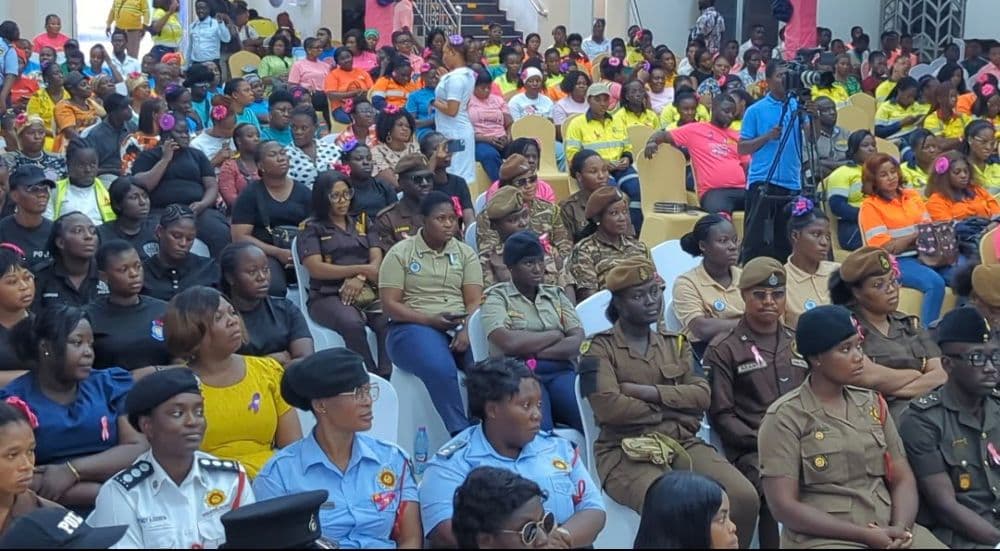
Producers, directors, agencies and industry bodies can help by using clear contracts, establishing codes of conduct and creating confidential channels through which workers can report coercion and harassment, including where the person booking them is not their formal employer.
These protections should not depend on whether a woman is already famous enough to say no without risking her next job.
A woman should be able to negotiate the price of her image without also having to negotiate the price of her safety.