Accra, Ghana, October 11, 2026: Women and girls experiencing violence need more than a way to report abuse. They also need access to healthcare, social welfare support, police assistance and justice services without being left to navigate disconnected systems on their own.
That was the focus of a national stakeholders’ review meeting organised by the Domestic Violence Secretariat of the Ministry of Gender, Children and Social Protection, with support from the United Nations Population Fund (UNFPA), in Accra.
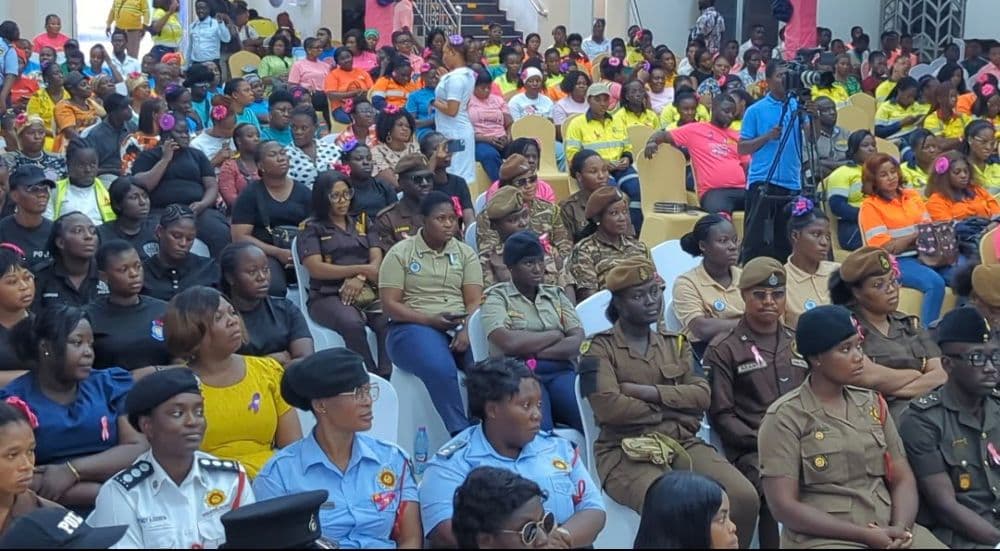
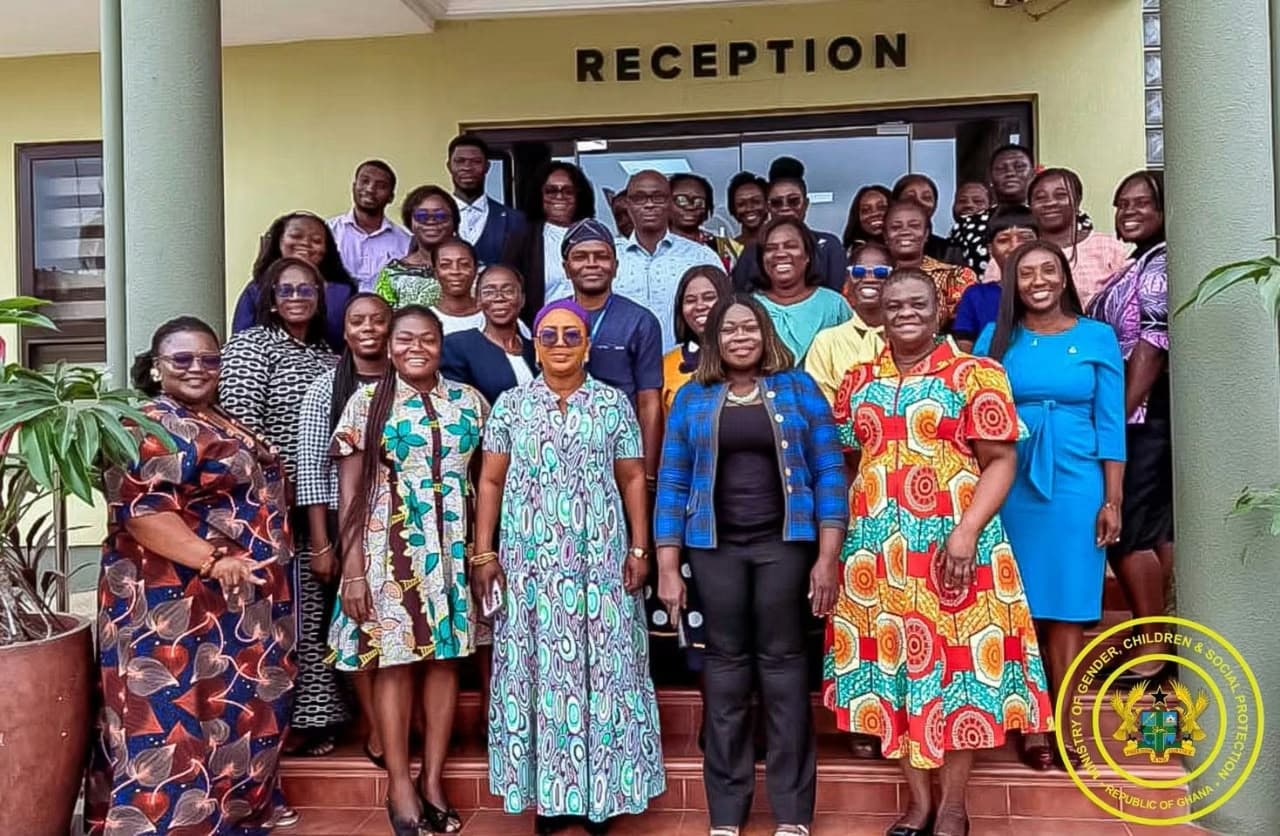
Held from 28 to 29 September 2026, the meeting brought together selected regional officers of the Ministry and other stakeholders involved in preventing and responding to violence against women and girls.
The aim was to review implementation of the Essential Services Package for Women and Girls Subjected to Violence, share experiences and identify gaps affecting the quality and coordination of services.
Why coordinated services matter for survivors
A survivor may need medical care, a safe place to stay, psychosocial support, police assistance and access to justice. These services often involve different institutions, making coordination essential to ensuring that people receive appropriate help.
Delivering a statement on behalf of the Ministry’s Chief Director, Dr Marian W. A. Kpakpah, the Director of the Domestic Violence Secretariat, Melonin Asibi, emphasised the need for a survivor-centred approach that protects the safety, dignity, privacy and rights of women and girls.
She called for stronger collaboration among institutions so that survivors could access the health, social, police and justice services they need.
A representative of UNFPA also stressed the importance of effective referral systems and clear coordination mechanisms, warning that survivors should not be left without the assistance they require.
UNFPA reaffirmed its commitment to working with the Ministry and other stakeholders to strengthen systems for preventing and responding to gender-based violence.
Referral systems under review
Participants examined existing referral mechanisms and how institutions coordinate their responses to cases of violence.
Discussions also addressed the need to ensure that survivors and affected children receive appropriate and timely services while their safety, dignity and rights remain protected.
Presentations covered the 2026 work plan and achievements, providing an opportunity for regional officers to share experiences, report on coordinated activities and identify practices that could improve service delivery.
At the end of the meeting, participants developed recommendations intended to strengthen referral mechanisms, improve institutional coordination and make essential services more accessible to women and girls experiencing violence.
The Ministry’s statement did not detail the individual recommendations, the specific service-delivery gaps identified or the deadlines for implementing the proposed changes.
What happens after the review?
The effectiveness of an essential services package depends not only on the services it sets out but also on whether survivors can access them in practice.
Clear referral procedures, timely responses, trained service providers and coordination between institutions can help reduce the burden on survivors seeking assistance.
For Ghana, an important next step will be to establish how the meeting’s recommendations will be implemented, who will be responsible for each action and how progress will be measured.
Publishing the findings, implementation timelines and subsequent progress would help the public understand whether the review is leading to improvements in the support available to women and girls.
Source: Ministry of Gender, Children and Social Protection.