Accra, Ghana, October 21, 2026: Ghana’s Ministry of Gender, Children and Social Protection is pursuing measures to strengthen child safeguarding in educational institutions following reports of alleged sexual abuse at Obuasi Senior High Technical School (SHTS), with plans to review existing protections, improve coordination among state institutions and make reporting channels more accessible to students.
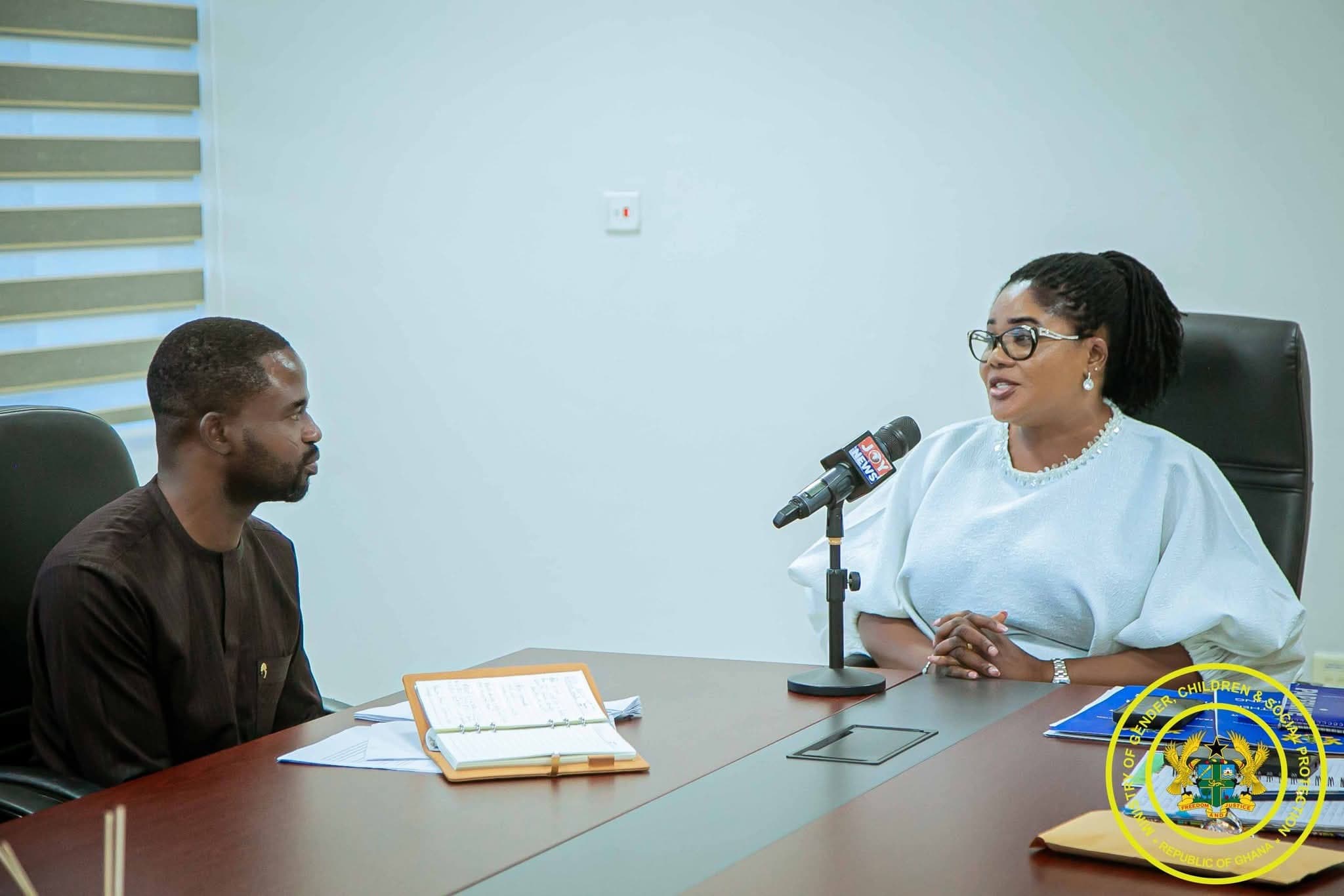
The Minister for Gender, Children and Social Protection, Dr Agnes Naa Momo Lartey, outlined the proposed measures during a meeting with investigative journalist Manasseh Azure Awuni, whom she contacted after the allegations emerged.
According to the ministry, the meeting provided an opportunity for the journalist to share further information about the case and discuss possible interventions to strengthen the response.
The minister said she had also engaged the Ghana Education Service (GES) and the Criminal Investigations Department (CID) ahead of the meeting as part of efforts to coordinate the institutional response.
The developments have renewed attention on how schools, education authorities, law enforcement agencies and child protection institutions respond to allegations of abuse involving students, and the safeguards available to children within educational settings.
Ministry proposes review of school protection policies
Dr Lartey said the ministry would work with GES to strengthen existing policies, codes of conduct and child protection provisions to ensure that students are adequately protected in schools across the country.
The proposed measures are intended to address systemic gaps and prevent incidents of abuse, including bullying and other forms of mistreatment on school campuses.
The minister also indicated that a technical representative from her ministry would work with GES as part of a longer-term approach to strengthening child safeguarding mechanisms.
The collaboration is expected to help align institutional policies and practices with national child protection laws and standards.
However, the ministry’s announcement does not specify which policies or codes of conduct will be reviewed, when the proposed work will begin or how compliance will be monitored across schools.
These details will be important in determining how the plans translate into practical safeguards for students.
Effective school protection requires more than written policies. Students need clear and accessible ways to report abuse, while school authorities and relevant institutions need procedures for responding to allegations, protecting children from further harm and referring cases to the appropriate agencies.
Coordination among institutions remains central to the response
The minister emphasised that addressing allegations of abuse requires cooperation among institutions with different responsibilities.
Her engagements with GES and the CID reflect the ministry’s stated intention to coordinate with education authorities and law enforcement as the response develops.
The ministry also reaffirmed its commitment to working with the Ministry of Education, the Ministry of the Interior and other relevant stakeholders to strengthen the implementation of child protection laws and policies.
Such coordination is important because reports of abuse in schools can involve several distinct responsibilities, including safeguarding students, investigating alleged offences, providing medical and psychosocial support, and ensuring that appropriate action is taken where wrongdoing is established.
Clear institutional responsibilities and effective information-sharing can help prevent cases from falling between agencies or being handled without adequate attention to the needs and safety of affected children.
At the same time, investigations must be conducted through the appropriate processes, with the privacy and dignity of students protected throughout.
The ministry has not announced a detailed implementation timetable or a public monitoring framework for the proposed measures.
Support for affected students and families
Dr Lartey also assured the public that the ministry would continue working with relevant institutions to support the affected students and their families.
The support under consideration includes access to appropriate medical screening and psychosocial services to promote the students’ recovery and wellbeing.
For children who have experienced sexual abuse or other forms of violence, appropriate support can be an important part of recovery. Access to health services and psychosocial care can help address their needs while reducing the risk of further distress.
Support for affected children must also take account of their privacy, safety and dignity. Their identities and personal information should be protected, and they should not be subjected to unnecessary exposure or repeated questioning as institutions respond to allegations.
The ministry’s statement does not provide further details about the support already made available to the students, the service providers involved or the arrangements for continued assistance to their families.
Schools may display helpline numbers to improve reporting
Another proposed intervention is to make the ministry’s helpline numbers, alongside those of other relevant agencies, prominently visible on school campuses across the country.
Dr Lartey said the ministry would work towards ensuring that students can readily find information about where to report abuse, threats to their safety and other protection concerns.
The proposed initiative is intended to make it easier for students to seek assistance and enable concerns to be reported promptly.
The ministry encouraged members of the public to report child abuse, domestic violence and other social protection concerns through its Helpline of Hope call centre on the following numbers:
0800-111-222
0800-800-800
0800-900-900
Displaying helpline information could improve awareness of reporting options, but its effectiveness will also depend on whether students can access the services safely, whether calls receive timely responses and whether reports lead to appropriate protection and follow-up.
Students may be reluctant to report abuse if they fear retaliation, stigma or disbelief. Accessible reporting channels therefore need to be supported by clear procedures for handling complaints and protecting children who come forward.
The ministry has not yet provided a timetable for displaying the helpline numbers in schools nationwide.
Journalist welcomes engagement with the ministry
The ministry said Manasseh Azure Awuni welcomed the minister’s engagement and expressed appreciation for her interest in the matter.
The journalist shared information intended to assist the ministry in identifying appropriate interventions following the emergence of the allegations at Obuasi SHTS.
The meeting forms part of the ministry’s stated efforts to gather information and coordinate with relevant institutions in responding to the case.
The ministry’s announcement, however, focuses primarily on proposed policy and safeguarding measures. It does not set out the findings of any investigation or announce specific outcomes in relation to the allegations.
From policy commitments to safer schools
The proposed measures place renewed emphasis on the responsibilities of public institutions to protect children in educational settings and ensure that concerns about abuse receive an appropriate response.
Strengthening school safeguarding will require coordination between education authorities, child protection services, law enforcement agencies and other relevant institutions. It will also require school communities to understand their responsibilities and students to know how to seek help when their safety is threatened.
The next steps will be important in assessing the reach of the ministry’s plans, including whether the proposed policy review proceeds, how the technical collaboration with GES is implemented and when helpline information becomes available on school campuses.
For affected students and their families, access to appropriate support and protection remains an immediate concern. For schools nationwide, the wider challenge is to ensure that safeguarding policies are implemented consistently and that students can report abuse without fear.
The Ministry of Gender, Children and Social Protection has reaffirmed its commitment to working with the relevant institutions to improve child protection and promote safe learning environments for all children. The implementation of the proposed measures will be central to determining their practical impact.