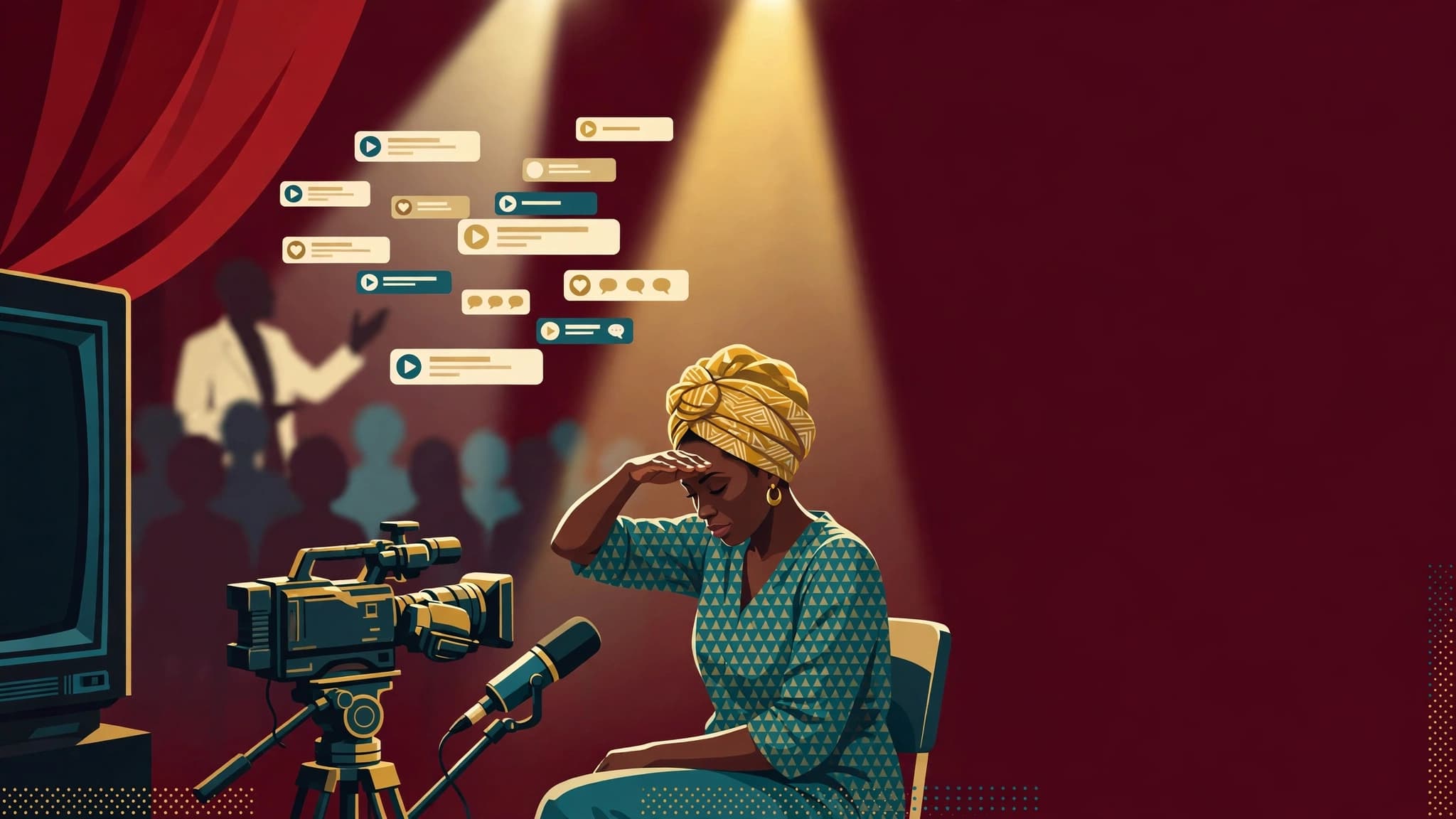
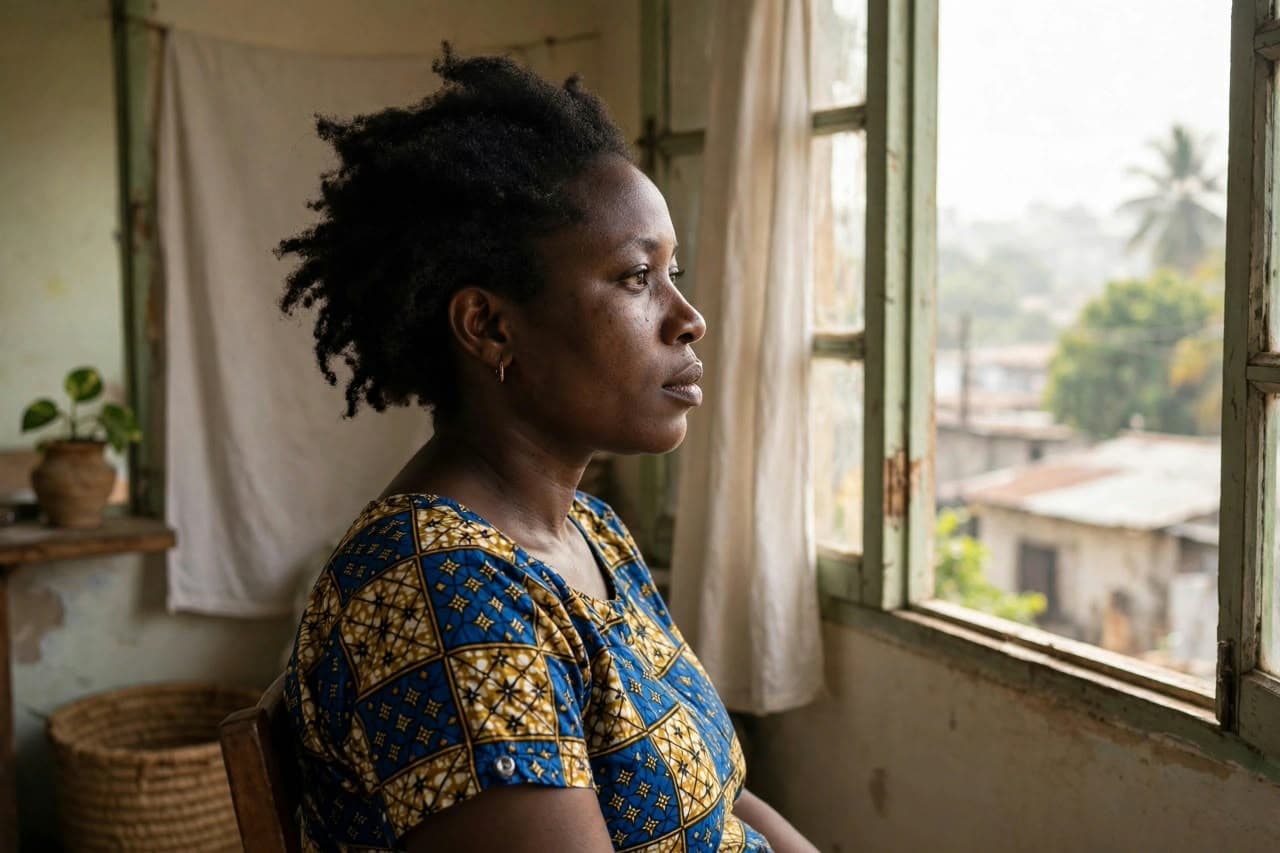
When I was pregnant with my son, my blood pressure climbed so high that doctors called it pregnancy-induced hypertension. That was seventeen years ago. I still take medication for high blood pressure today, and the drugs that used to control mine no longer do. Nobody warned me that becoming a mother could change my body in ways that might last for years. Nobody gave me a word for what I was living through either. It turns out there is one, and most of us have never heard it.
A word for what we live through
The word is matrescence. American medical anthropologist Dana Raphael coined it in 1973 in her book, The Tender Gift;Breastfeeding, naming motherhood as a rite of passage on par with adolescence. The word disappeared for decades until reproductive psychiatrist Alexandra Sacks revived it, first in her viral 2017 New York Times essay, The Birth of a Mother, and then in a TED talk watched more than a million times. Her argument; we spend years preparing girls for adolescence, then send new mothers home with almost nothing.
Matrescence is not a diagnosis. It is the name for the physical, hormonal, psychological and social overhaul that comes with having a child, and it can begin as early as pregnancy and continue for years. Postpartum depression is different; a clinical condition that can occur during that transition, which may require screening and treatment. The two are often confused, which can leave women believing something is wrong with them when what they are experiencing may be part of a much larger transition.
The body keeps the receipts
After the placenta detaches, the area where it was attached has to heal, which is why bleeding continues for weeks and is not simply spotting. The uterus itself goes from roughly a kilogram immediately after birth to about sixty grams by six weeks, and the cramping many women feel while breastfeeding, often worse after each birth, comes from that same organ contracting, triggered by the oxytocin released when a baby feeds. Hormones that rise dramatically during pregnancy then fall sharply after delivery are part of what sits behind the crying, the irritability and the sense of not quite recognising yourself in the first weeks.
The brain changes too. A landmark study led by neuroscientist Elseline Hoekzema, published in Nature Neuroscience, found such consistent reductions in grey matter during pregnancy, concentrated in regions tied to social understanding and bonding, that a computer algorithm could tell from a brain scan alone whether a woman had been pregnant. A small follow-up study, of just seven mothers and five women without children, found that most of those changes were still present six years later. It is a limited sample, but a striking early signal. This is not “baby brain” as an insult. It looks more like a brain reorganising itself for a job it has never done before.
And this is where matrescence stops being only a story about what happens inside a woman's body. It becomes a story about what happens around her.
The six-week schedule
Ghana's postnatal care guidelines schedule follow-up contacts in the first days and weeks after birth, including a visit at six weeks. That appointment is meant as a checkpoint, not a finish line. But six weeks can easily become a psychological finish line anyway, the point at which maternity leave conversations restart, church and family expect a woman back on her feet, and the naming ceremony guests have long gone home. The healing does not read the calendar the same way the schedule does.
Our grandmothers understood something we seem to be forgetting. Across many Ghanaian communities, the period around a birth traditionally drew family around a new mother and her baby, with relatives helping with food, household work and the baby while the mother recovered. In some Ghanaian traditions, outdooring marked the end of that stretch of confinement and care, not the end of her recovery. For many families living in Accra and Tema today, much of that support has thinned out, but the expectation that a woman should bounce back has remained.
The numbers we don't like to talk about
A pooled analysis of nineteen studies across Africa, published in PLOS ONE, put postnatal depression at roughly 17 percent, and Ghanaian figures sit inside and above that range depending on where you look. A review of Ghanaian studies published between 2009 and 2022 found community-based prevalence in Northern Ghana as high as 16.8 to 33.5 percent, against 3.8 to 11.3 percent in studies from the rest of the country. The variation itself tells us something important; the burden is difficult to measure, and many women will experience symptoms without necessarily receiving a formal diagnosis.
Why some women are opting out entirely
Ghana's total fertility rate has fallen from 6.4 children per woman in 1988 to 3.9 in 2022, and fertility is substantially lower among women with secondary or higher education than among women with no education at all. The reasons behind that shift are several; wider access to family planning, later marriage, more years spent in school. But listen to conversations among educated Ghanaian women and another concern surfaces alongside the reasons identified in the data; what motherhood costs a body, a career and a bank account, with almost no institutional support waiting on the other side. The data cannot tell us how many women are weighing that calculation consciously. But the conversation is real, and it deserves to be taken seriously rather than dismissed as women simply being selfish.
Punished for staying, and for leaving
Because for women who do become mothers outside a stable partnership, the pressure can continue. Single motherhood in Ghana has risen from 14.1 percent of mothers in 1993 to 19.5 percent in 2014. For some women it can mean carrying school fees, meals and the school run with little support, while being whispered about at family gatherings for failing to keep a man. Women who choose not to have children at all face the mirror version of that judgement, mocked as selfish or incomplete. Both are women being punished for decisions made inside a system that offered them no real support either way.
We are not supposed to bounce back
Nobody prepared me for the mother I became, and I am learning, seventeen years and two children in, that I will probably never be finished becoming her. That is not a failure to recover. It is close to what Alexandra Sacks was getting at when she argued that we prepare women for childbirth in exhaustive detail, then give them almost nothing to prepare for the identity shift that follows. A woman went into that room. A different woman came out. Our health systems, our workplaces and our families need to catch up to that fact, and build the support around mothers that modern life has steadily stripped away.