Accra, Ghana, October 17, 2026: Ghana has announced a €323 million financing package for a water and sanitation programme targeting persistent water shortages and inadequate sanitation services in parts of northern Ghana.
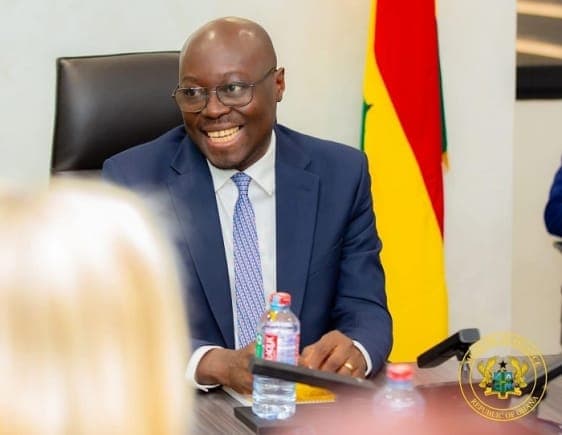
Finance Minister Dr Cassiel Ato Forson announced the package on Friday, 16 October 2026, following a meeting with European Investment Bank (EIB) Vice-President Ambroise Fayolle on the sidelines of the International Monetary Fund and World Bank Annual Meetings in Bangkok, Thailand.
The proposed financing for the Northern Ghana Water and Sanitation Project comprises €98 million in grants and a €225 million highly concessional financing facility from the EIB.
The grant component includes €68 million from the European Commission and a further €30 million expected from Invest International, a Dutch government initiative.
Dr Forson said the project would address recurring water shortages in Tamale, Yendi and Damongo while improving sanitation services in beneficiary communities.
What will Ghana’s €323m water and sanitation project fund?
The project is designed to improve water supply infrastructure in Tamale, Damongo and surrounding settlements. It also includes the construction of three faecal sludge treatment facilities in Wa, Bolgatanga and Yendi.
Treatment facilities are intended to improve the management of human waste, reduce environmental pollution and strengthen public health protection.
Water infrastructure component is expected to improve access to safely managed drinking water in communities that have faced challenges with reliable supply. The project documentation also identifies climate resilience as an objective.
Proposed investment combines water supply improvements with sanitation infrastructure, addressing two related public service needs in northern Ghana.
Which cities in northern Ghana will benefit from the water and sanitation project?
The project targets water supply improvements in Tamale and Damongo, including surrounding settlements. Its sanitation component covers Wa, Bolgatanga and Yendi.
The different locations reflect the programme’s two main priorities: expanding or improving water infrastructure and providing facilities to manage faecal sludge safely.
The project is expected to benefit urban and peri-urban populations. However, the specific communities to be served, the distribution of infrastructure and the implementation timetable should be confirmed by the responsible authorities.
How many people could benefit from improved water supply in Tamale and Damongo?
The European Investment Bank estimates that the proposed water infrastructure could improve access to safely managed drinking water for approximately 1.349 million people in the Greater Tamale area and 105,000 people in Damongo.
These are projected beneficiary figures, not evidence that the improvements have already been delivered.
The practical impact will depend on the infrastructure completed, the reliability of the resulting water supply and the ability of households to access the services.
What is the status of Ghana’s €323m water financing package?
Although the government has announced the financing package, the EIB’s published project page lists the Northern Ghana Water and Sanitation Programme as “under appraisal”.
The bank’s project documentation indicates that financing remains subject to the relevant appraisal, approval and contractual processes. Its published project details therefore need to be read alongside the government’s latest announcement.
The EIB page, published on 25 August 2026, lists proposed EIB financing of €225 million and an estimated total project cost of €324 million.
The status of the proposed €30 million contribution from Invest International also requires clarification, as the government’s announcement described the funding as expected.
The Ministry of Finance should confirm whether the individual financing components have since received the necessary approvals and whether the relevant agreements have been signed.
When will water supply and sanitation improvements begin in northern Ghana?
A confirmed construction start date and completion timetable are needed to establish when residents can expect to see improvements.
Ghana Water Limited and the Ministry of Finance should clarify the implementation schedule, the procurement process and the arrangements for communities affected by construction or land acquisition.
The EIB has also published environmental, social and gender assessment documents for the project, including a Gender Action Plan and a Social and Gender Impact Assessment Report. These documents provide a basis for examining how the programme intends to account for the different effects of water and sanitation challenges on women, men and other groups.
For women and girls in affected communities, more reliable water access could have implications for household responsibilities, personal safety, education and livelihoods. The extent of those effects, and whether the project will address them, requires evidence from the beneficiary communities and the programme’s own safeguards.
The financing announcement marks a development in efforts to improve water and sanitation infrastructure in northern Ghana. Its ultimate significance will depend on the finalisation of the financing, delivery of the proposed facilities and whether residents experience more reliable access to safe water and sanitation.
Sources
Graphic Online: Ghana secures €323m to tackle water shortages in Tamale, Yendi and Damongo
European Investment Bank: Northern Ghana Water and Sanitation Programm
Ghana News Agency: Tamale-Damongo water project advances