Accra, Ghana, 1 October 2026: Police say Salomey Awity Baffoe helped spread TikTok videos she did not make. Her supporters say she does not belong in the dock. A court has not yet decided who is right.
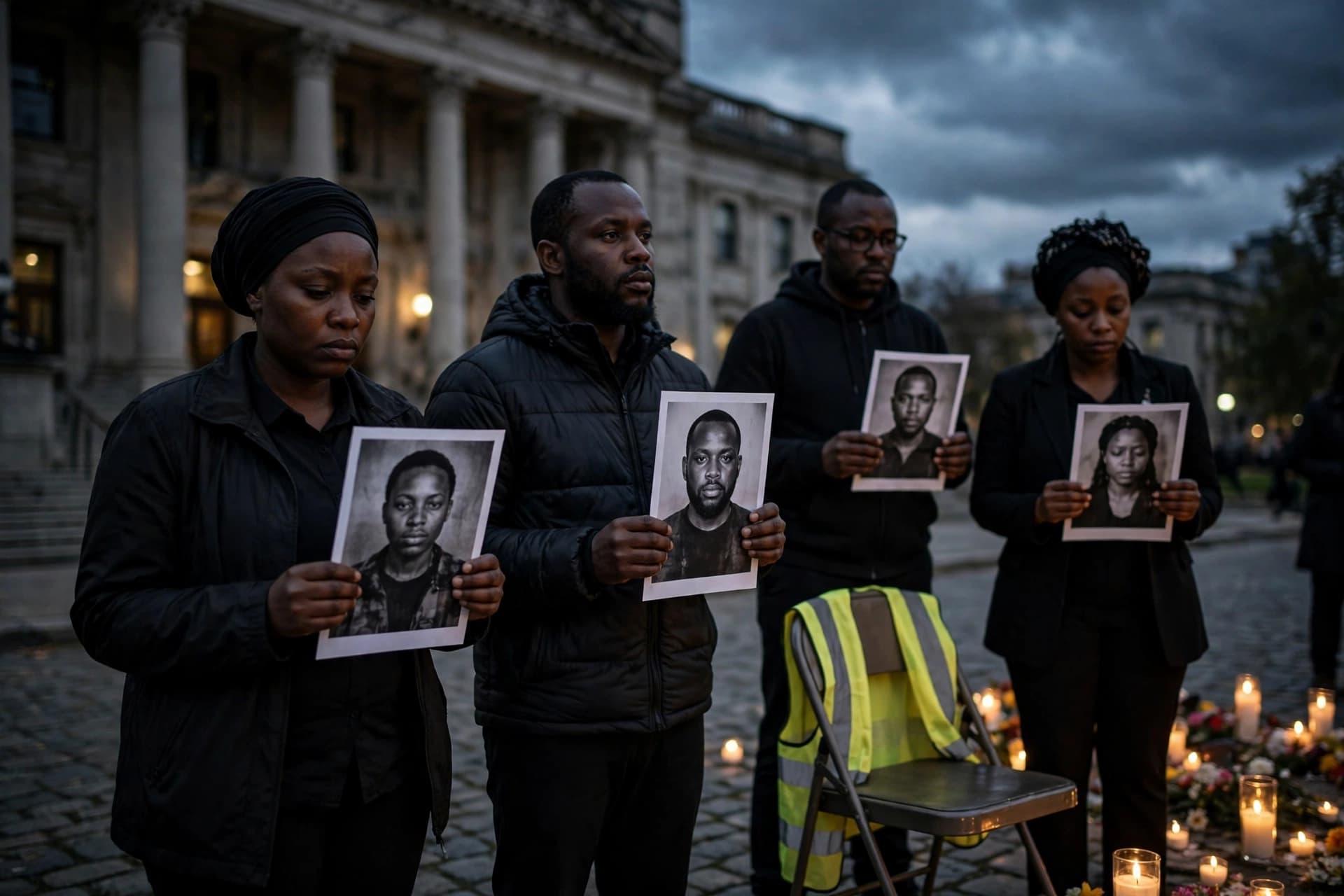
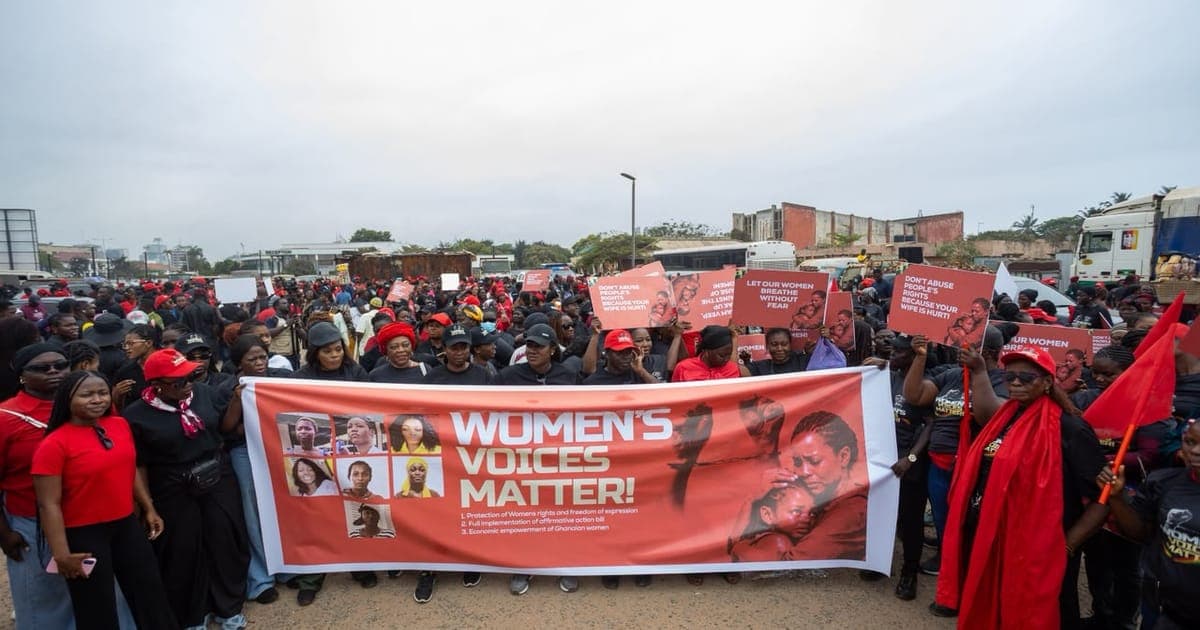
On 29 September, women from several political parties and trades marched through Accra under the banner “Women’s Voices Matter”. They handed a petition to the Minister for Gender, Children and Social Protection. The petition asked for Salomey's release, among other demands.
Gender Lens takes no side on her guilt. That is a matter for the courts. This article sets out the record so far, separates allegation from finding, and asks what the case shows about speech, arrest and women in public life.
At a Glance: Salomey Baffoe Case
What is the Ghana Jollof case?
“Ghana Jollof” is a TikTok account. Police say it belongs to Barbara Asantewaa Kodua, who they believe lives in the United Kingdom and whom they have declared wanted. At a press briefing on 18 September, the Director-General of the CID, COP Lydia Yaako Donkor, said the account published false information and offensive, inciting comments.
One video under investigation claimed there had been a near coup at Jubilee House, the seat of government. Police say such content could cause fear and alarm. These are police statements. No court has ruled on them.
Who is Salomey Awity Baffoe?
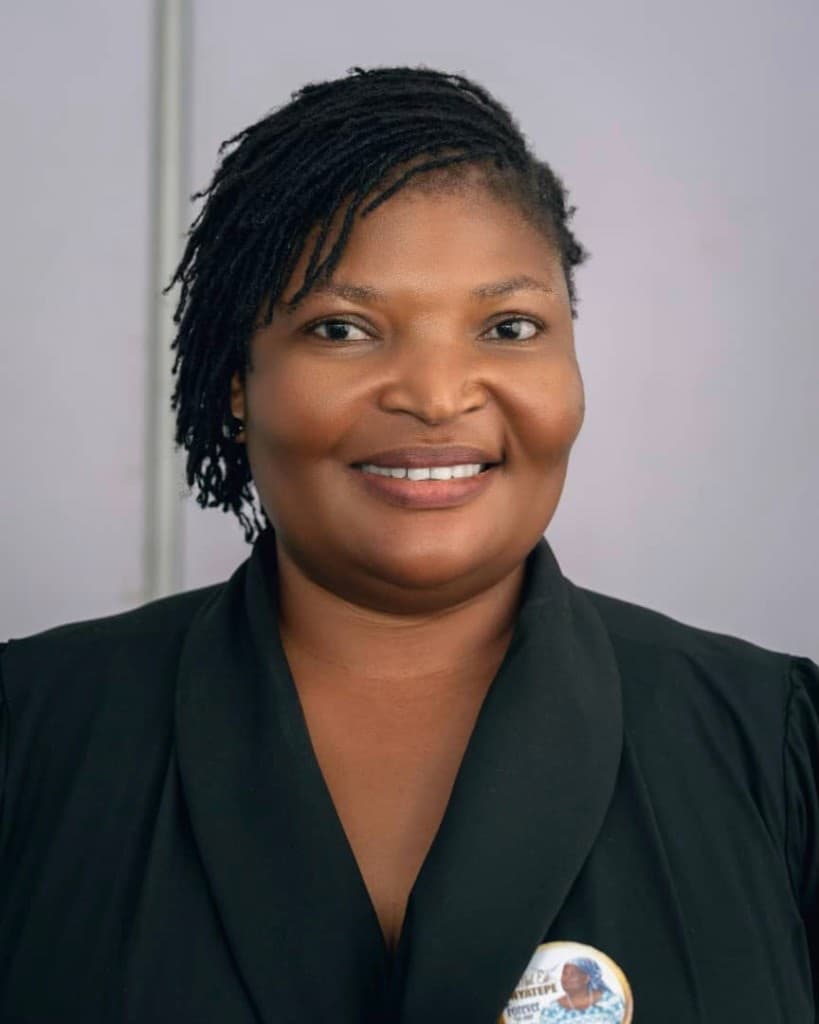
Salomey is 40 years old and a senior nursing officer based in Techiman. Her lawyer says she is the mother of three minor children, the eldest 15 years old. Media reports spell her name in different ways, including Baffoe, Bafoh and Awiti.
Police charged her with abetment of crime, to wit publication of false news. She has pleaded not guilty.
What do police allege against her?
Police allege Salomey recruited other people to redistribute the videos on social media platforms. They say forensic examination of her phone and her mobile money records show money moving between her and Kodua, and that she shared some of it with others. They also say the two are friends and that audio interviews confirm it.
COP Donkor went further. She said “highly influential persons” had sent significant sums to Salomey, and that police know who they are. She said voice analysis and transcripts from the phones would go before the court. Police arrested Salomey on 17 September in a joint operation by the National Signal Bureau and the Ghana Police Service, then arraigned and remanded her.
The distinction matters for what came later. Marchers carried the message that Ghana Jollof is different from Salomey. Police do not claim otherwise. Their case is that she helped the account, not that she is the account.
What does Ghanaian law say about false news?
Section 208 of the Criminal Offences Act, 1960 (Act 29) is the provision at the centre of the debate. It makes it an offence to publish or reproduce a statement, rumour or report that is likely to cause fear and alarm to the public or disturb the public peace, where the person knows or has reason to believe it is false.
Salomey’s charge adds another layer. She is accused of abetting the offence, so the court will also look at her own role in sharing the material.
What does Ghana’s Constitution say about free speech, protest and arrest?
Article 21 of the 1992 Constitution protects freedom of speech and expression, including freedom of the press and other media. It also protects freedom of assembly, including processions and demonstrations. Article 19 presumes every accused person innocent until proved guilty or until the person pleads guilty.
Article 14 sets the rule on custody. A person arrested must be brought before a court within 48 hours. The Constitution also allows laws that limit some freedoms, for reasons such as public order. The disagreement in this case is about where that line sits.
Why did the High Court refuse bail?
Justice Halima El-Alawa Abdul-Baasit refused bail on 24 September. She held that a misdemeanour is generally bailable, but that this gives no automatic right to bail. The investigation, she said, involves electronic evidence that could be altered, deleted or hidden, so release carried a real risk of interference.
The defence argued that the presumption of innocence and the right to liberty put the burden on the prosecution. It said the prosecution relied on bare depositions, and it pointed to Salomey’s children and her health. The prosecution replied that no medical records had been filed and that police still needed her to help trace the second accused, who is at large.
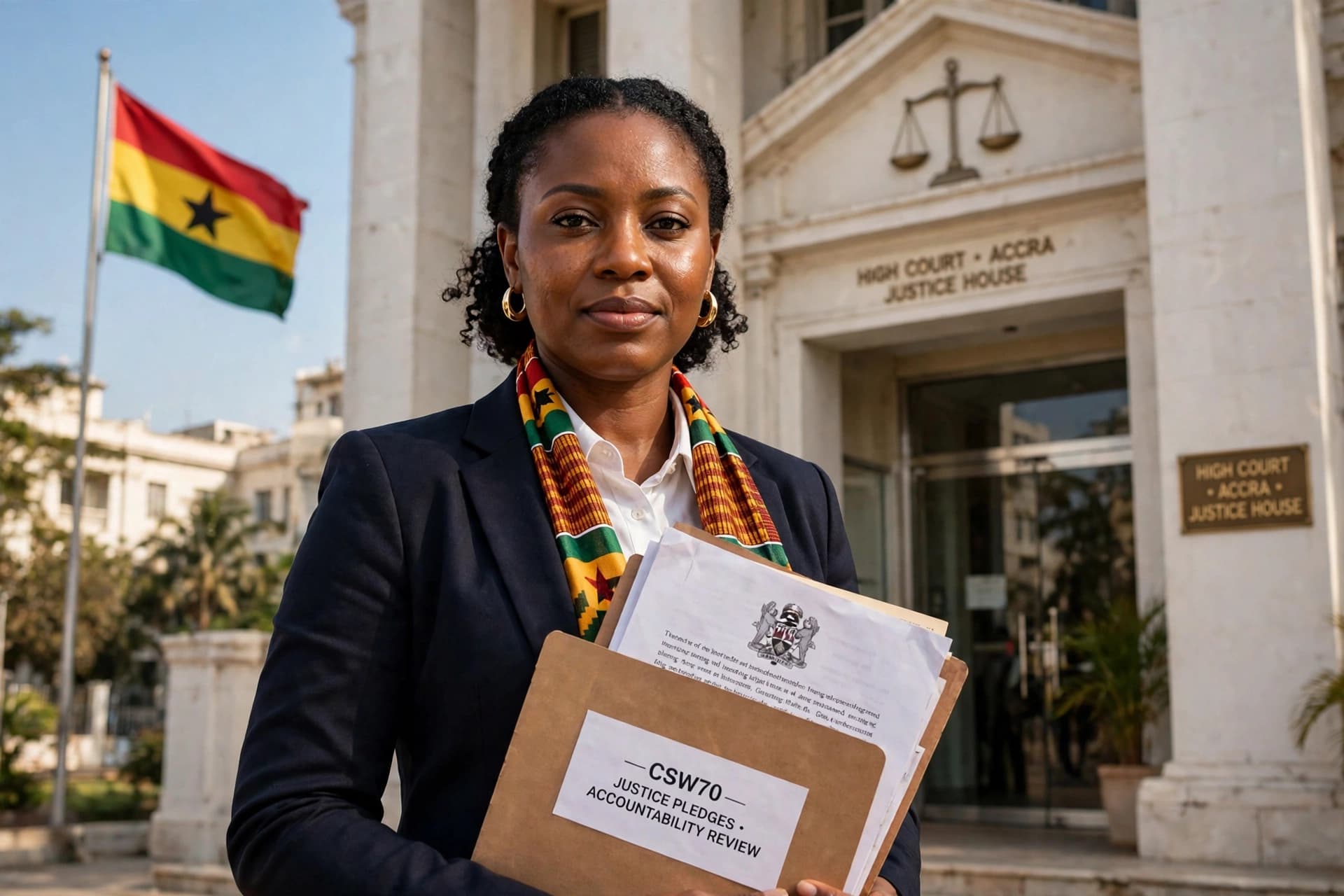
The judge said the ruling was not a finding of guilt and not a punishment. She ordered the state to speed up its investigation. She also allowed Salomey to apply again if circumstances change. Her lawyer, Nana Agyei Baffour Awuah, said the defence would appeal and ask the Chief Justice to let the Court of Appeal sit during the legal vacation.
How did one case become a national political argument?
The lawyer became part of the story. Baffour Awuah is also the opposition NPP Member of Parliament for Manhyia South. On 23 September, officers of the Economic and Organised Crime Office (EOCO) tried to arrest him at the High Court after he appeared for Salomey.
EOCO says it invited him twice in February to help with an investigation and that he did not attend. It says an MP is not beyond the law. Baffour Awuah disputes that account and says the timing relates to his client. Africanews noted that no court has found any link between the two. The Ghana Bar Association said no one is above the law, but warned that enforcement against lawyers at work must follow procedure or risk a chilling effect.
Politicians weighed in. Former Vice President Mahamudu Bawumia wrote that under his leadership intelligence agencies would not chase citizens for insulting the president. Deputy Minority Leader Patricia Appiagyei asked the First Lady and the Vice President to step in.
President John Dramani Mahama, speaking in New York on the sidelines of the UN General Assembly, said he does not know about many of these arrests until he hears them in the media. Police, for their part, have warned that online conduct that breaks the law will be treated as crime.
What happened at the Women’s Voices Matter march?
Women gathered at the Accra Metropolitan Assembly Park on the morning of 29 September and marched to the Ministry of Gender, Children and Social Protection. Coverage described many marchers in red and black, and some carrying yams on their heads, which reporters read as signs of mourning and distress. Television footage showed a peaceful but intense crowd.
Citi Newsroom reported that women linked to the NPP convened the march, including Akosua Asaa Manu and Grace Akosua Amoabeng. Women from other parties joined: PNP Chairperson Janet Asana Nabla, NDP leader Betty Akuffo Amoabeng and LGP running mate Elizabeth Sam. Market women, hairdressers, dressmakers and kayayei marched too.
Was the march political?
Yes. The conveners belong to the main opposition party, and several outlets described the march as NPP-affiliated. Calling it a non-partisan women’s protest would leave that out.
It was also not only an NPP event. Women from other parties and from outside party structures took part. Both facts hold. Readers can weigh the petition’s demands on their merits without first deciding which of the two descriptions they prefer.
What did the Women’s Voices Matter petition demand?
Spokesperson Akosua Asaa Manu presented a three-page petition. It called for transparency in state-led arrests, humane treatment of suspects, reasonable bail conditions and respect for the presumption of innocence, particularly in cases about political expression and social media use. GhanaWeb carried the demands.
It also pressed for faster implementation of the Affirmative Action Act and for the long-awaited Women’s Development Bank. MyJoyOnline reported that the group treated Baffoe’s case as the most urgent of several grievances.
Adom Online reported that the group also gave President Mahama 24 hours to act on her release. The President cannot order a court to free an accused person. The Attorney-General’s office controls prosecutions, and courts decide bail.
Why did the protesters petition the Gender Ministry?
The Gender Ministry does not investigate crime, prosecute it or grant bail. Its role is gender policy and the advancement of women’s rights and welfare. The marchers took their petition there because half of it concerned that policy territory.
What is the Affirmative Action Act?
The Affirmative Action (Gender Equity) Act, 2024 (Act 1121) sets a legal framework for raising women’s representation in public life and decision-making. The Gender Ministry has directed public bodies to comply and report on implementation.
The petitioners argued that implementation was running late. The Women’s Development Bank is a separate proposal, not yet established.
What did the Gender Minister say?
Dr Agnes Naa Momo Lartey came out to receive the petition and described the march as an exercise of democratic rights. She said the implementation committee and secretariat for the Act are in place and working.
On the bank, she said the Office of the Vice President is leading the work with other stakeholders and that government remains committed. MyJoyOnline’s report centres on those two answers. The coverage Gender Lens reviewed does not record a response on the criminal case, which was never hers to answer.
Is this a gender story?
That depends on the evidence, and the evidence so far is thin. Men have faced similar action in the same weeks. EOCO moved against a male MP at the High Court, and Africanews describes the case as one of a series involving online statements. Nothing in the coverage shows that women face harsher treatment for online speech than men do.
There are still gender questions worth asking. Baffoe is a mother of three, and her lawyer and the court record both put the effect on her children on the table. Women from rival parties found common cause in a single march. And the petition linked speech and arrest to women’s representation, a link that deserves scrutiny rather than assumption.
A simple fix would settle part of the argument. The state could publish figures on section 208 prosecutions: who was charged, which party they support, how long they waited for bail, and how many cases ended in conviction. Without that record, every side argues from anecdote.
What happens next?
The criminal case continues in the High Court. The defence is pursuing an appeal against the bail ruling. Police say their investigation is widening to others who shared the videos and to the people they allege funded the account. Kodua remains at large.
Three things are worth watching. Whether the prosecution tenders the phone and financial evidence it described. Whether a higher court revisits the bail ruling. And whether the Gender Ministry reports progress on the Act and the bank by a date the public can check.
The march asked the state to explain itself. Courts will answer the question of guilt. The wider question of how Ghana polices speech, and who pays when it does, will outlast this case.