Accra, Ghana, October 22, 2026: The suspended headmaster of Obuasi Senior High Technical School (SHTS), Zakaria Abdulai, says he has been cautioned by police and granted self-recognisance bail following a rape complaint made against him by a student and her parents.
Speaking in an interview with radio presenter Blakk Rasta, Mr Abdulai said the complaint had been reported to the police and that he was awaiting the next stage of the legal process.
“I have been cautioned because one girl and her parents said I have raped her. So they reported, I was cautioned, and as a headmaster I was given self-recognisance bail. I'm waiting for court days,” he said.
He also suggested that he had a different account of the events surrounding the complaint, saying he believed the circumstances would surprise the public.
The allegations have not been proven in court, and Mr Abdulai has not been reported as having been convicted of an offence.
What happens next in the Obuasi SHTS case?
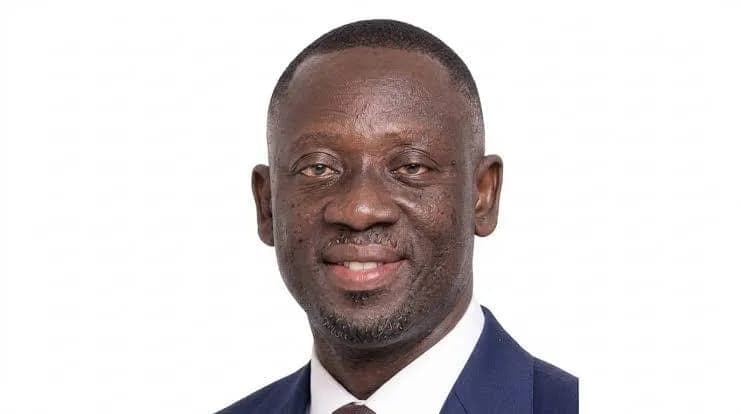
The latest development follows disclosures by Interior Minister Mohammed Mubarak Muntaka, who told Parliament’s Public Accounts Committee on October 20 that the headmaster had been arrested in connection with sexual misconduct allegations involving female students.
The minister said investigators were pursuing DNA evidence as part of their work and that the case was being handled at the national level.
However, police have also clarified that the investigation into the specific rape complaint had been completed and the case docket forwarded to the Attorney-General for study and advice. The police said further action would depend on the advice received.
The distinction matters. The complaint already investigated and referred for legal advice is not automatically equivalent to every allegation that has emerged publicly about the school.
MyJoyOnline reported on the police referral on October 20 noting that the docket concerned a complaint filed by a student on August 4, 2026. Police said additional allegations could be investigated if formally brought to their attention.
A wider safeguarding concern
The case has drawn national attention following a JoyNews investigation by Manasseh Azure Awuni into allegations of sexual abuse involving female students at the school.
The Ghana Education Service has interdicted Mr Abdulai pending investigations into the new allegations.
The development also follows an earlier inquiry into disturbances at the school in August. That committee said the sexual harassment allegations it examined were not substantiated by the evidence presented to it. Its findings related to the evidence available during that inquiry and are separate from the subsequent allegations highlighted by JoyNews.
The earlier report nevertheless raised concerns about professional boundaries, students undertaking cleaning duties at the headmaster’s residence, and the handling of complaints. It recommended stronger safeguarding measures and tighter controls around students’ access to staff residences.
These separate processes must be distinguished when assessing the case. The findings of the earlier inquiry should not be presented as proof that the subsequent rape complaint is false, just as the existence of a complaint does not establish guilt.
The questions that remain
For students and families, the central issue is whether complaints of sexual misconduct are investigated promptly, independently and with adequate protection for those who report abuse.
The case also raises questions about how schools identify and respond to potential abuse involving people in positions of authority. Students must have safe, confidential channels to report misconduct without fear of intimidation, retaliation, stigma or disruption to their education.
Authorities must ensure that students who come forward can access appropriate support, including counselling where needed, while protecting their identities and privacy. Investigators must also assess evidence fairly and allow due process for everyone involved.
The public should be able to distinguish between an administrative inquiry, a police investigation and a decision by prosecutors on whether a case should proceed to court. These processes serve different purposes, and updates should make clear which allegations each one addresses.
Justice must include protection for students
Mr Abdulai’s statement that he has been cautioned and granted bail is a development in the case, not its conclusion. Self-recognisance bail does not amount to a determination of guilt or innocence.
The next steps depend on the relevant legal process and any further investigative directions. Meanwhile, the Ghana Education Service and school authorities have a responsibility to maintain appropriate safeguards for students.
For the girls whose accounts have become part of the public discussion, justice must mean more than headlines about arrests and bail. It must include a credible investigation, protection from harm, respect for their privacy and a school environment where students can report abuse and be taken seriously.
Gender Lens Africa will continue to follow developments in the Obuasi SHTS case as further verified information becomes available.