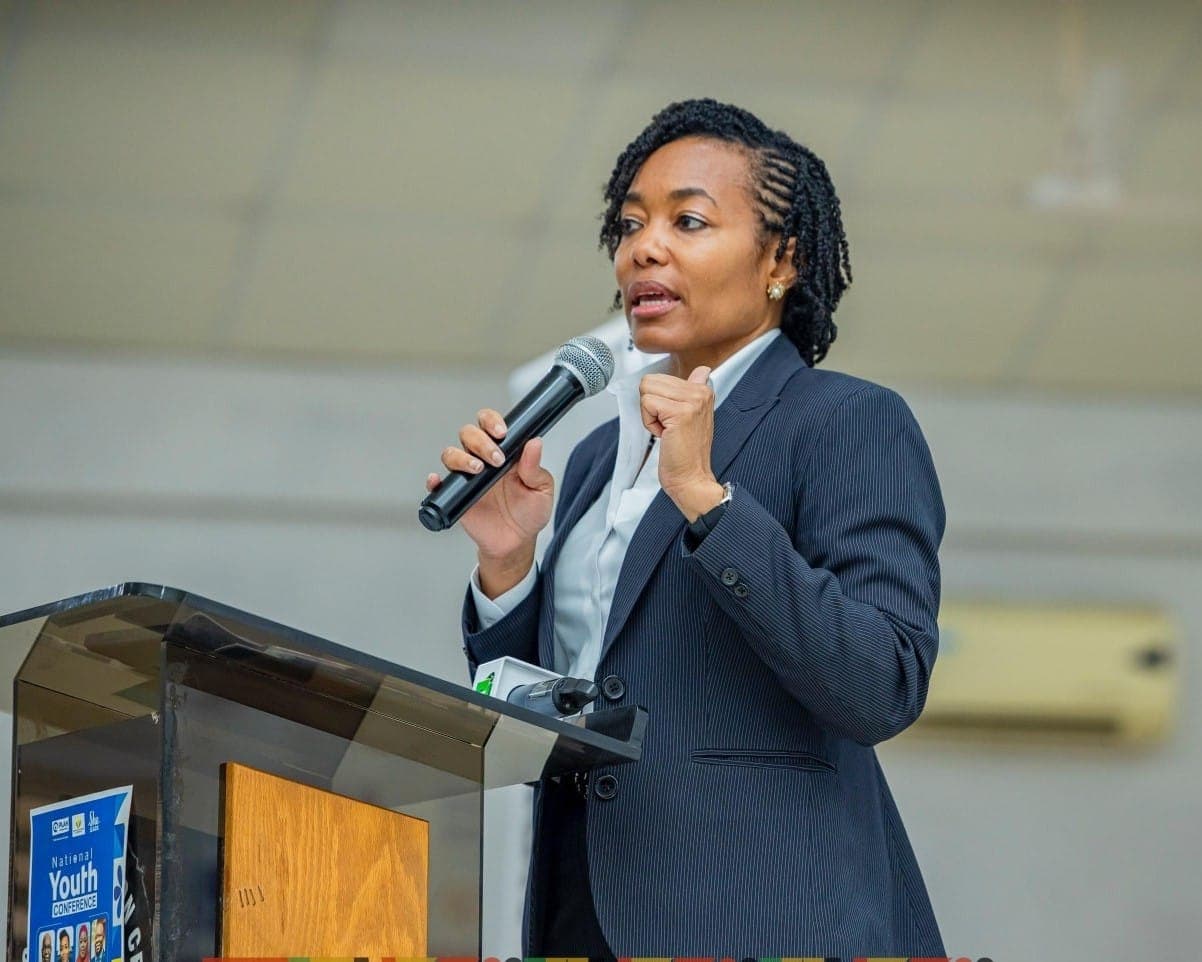
Accra, Ghana, November 11, 2026: Dr Zanetor Agyeman-Rawlings has urged Parliament to establish a National Sex Offenders Register to stop convicted sexual offenders from gaining access to children and other vulnerable people.
She made the call in a statement to Parliament on Tuesday, 10 November 2026.
The register, she said, should let the state monitor convicted offenders. It should also allow authorised institutions to run background checks on anyone seeking a position that involves working with children.
Her appeal comes as the nation follows the sexual abuse allegations against the headmaster of Obuasi Senior High Technical School (SHTS). A JoyNews investigation brought the case to public attention, and allegations involving as many as 19 students remain under investigation.
The Association of Women Lawyers, Ghana (AWLA Ghana) made the same call in a press statement on 15 October 2026.
1,462 sexual offence cases registered in 2025
Dr Agyeman-Rawlings told the House that Ghana registered 1,132 defilement cases, 297 rape cases, 10 attempted defilement cases and 16 attempted rape cases in 2025. Seven cases of sexual abuse of females with mental incapacity brought the total to 1,462.
She stressed that these figures cover only cases officially reported and registered. Fear, intimidation, stigma and pressure from families and communities can stop victims from reporting abuse or seeking justice.
The 2024 figures she cited were 1,296 defilement cases and 316 rape cases.
Why moving accused teachers between schools puts children at risk
Dr Agyeman-Rawlings also challenged how institutions respond when teachers face credible allegations of sexual abuse. The 1957 News reported on 11 November that she warned:
“We cannot simply transfer a teacher from one school to another when credible allegations of sexual abuse emerge, potentially exposing other groups of children to danger.”
She wants allegations reported promptly, investigated independently and addressed through the proper disciplinary and criminal justice processes.
Her warning puts institutional responsibility at the centre of the debate, particularly in schools and other places where adults supervise children.
Register needs legal safeguards
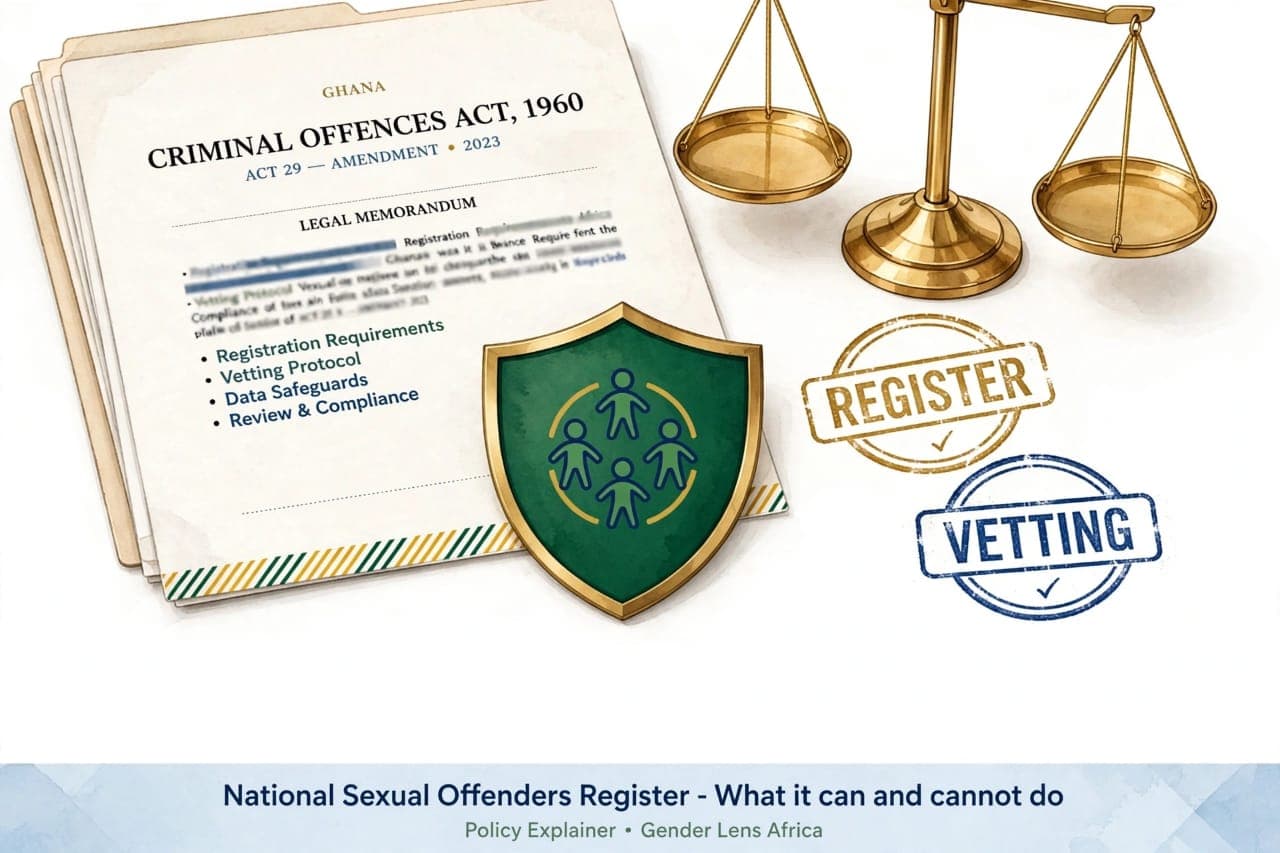
Dr Agyeman-Rawlings called for the urgent establishment of the register, backed by a comprehensive legal framework, with particular attention to people convicted of sexual offences against children.
That framework, she said, must set out how information is collected, accessed and used. She called for safeguards built on due process, lawful convictions and data protection, so the system does not undermine individual rights.
The register would let authorised institutions vet prospective teachers, caregivers, supervisors and other professionals who work regularly with children.
Her proposal asks Parliament and relevant state institutions to consider the register. No implementation timeline or designated agency has been announced.
A register alone will not protect children
The proposal raises a wider question: how will Ghana strengthen the child protection and justice systems around it? Investigations must happen, survivors must receive support and offenders must face accountability.
A register cannot prevent abuse on its own. Its effectiveness will depend on reliable records, consistent background checks, proper investigations, enforcement and coordination among the institutions responsible for child protection.
For children who experience abuse, protection must go beyond reporting an incident. It must include access to justice and measures that prevent further harm.
Dr Agyeman-Rawlings also criticised a pattern in which public outrage over child sexual abuse fades without sustained action. She urged Parliament and state institutions to move beyond condemnation and adopt practical measures that strengthen accountability and protect vulnerable people. Her own words, as reported by MyJoyOnline, were that children “should not have to be extraordinarily brave simply to be safe”.