Accra, Ghana, November 11, 2026: Senegal is hosting the 2026 Youth Olympic Games (YOG) in Dakar, Diamniadio and Saly. The athletes are aged 14 to 17, and the Games are as much about the future of sport as about medals.
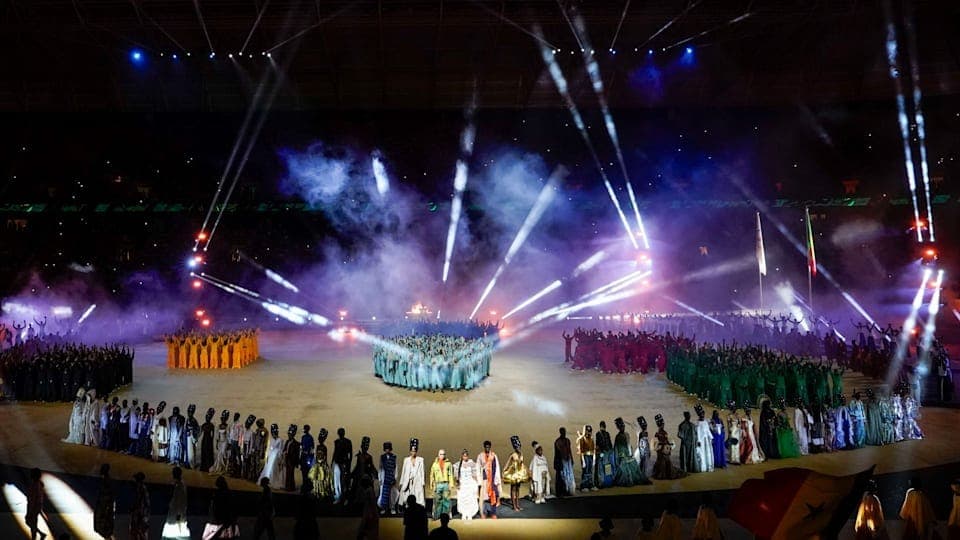
The opening ceremony on 31 October set the tone. More than 1,100 performers filled the Abdoulaye Wade Stadium in Diamniadio with wrestling, drumming, dance, music and art, in a celebration of African identity and youth.
Khaby Lame, the Senegalese-born online star, made an appearance. Kirsty Coventry, the first woman and first African to lead the International Olympic Committee (IOC), addressed the crowd.
Africa was not the backdrop. Africa was the host.
Beyond the spectacle, the first week produced four stories that deserve more attention.
Elvira Espinosa: the Ecuadorian teenager who won the first gold in Dakar
Elvira Espinosa is 17. She carried Ecuador's flag at the opening ceremony, and a day later she won the first gold medal of the Games.
On 1 November she took the girls' 400m freestyle in a personal best of 4:22.87. Ecuadorian media, citing the EFE news agency, report that she is the first Ecuadorian swimmer to reach an Olympic podium.
South Africa's Leah Markgraaff, 17, took silver in 4:26.13 after leading early and being caught on the third lap. It was South Africa's first medal of the Games. Belgium's Célya Paques won bronze.
Champions do not only come from countries with big pools and long traditions. So how many girls never get the chance to find out what they can do?
Displaced but not defeated: the refugee girls at Dakar 2026
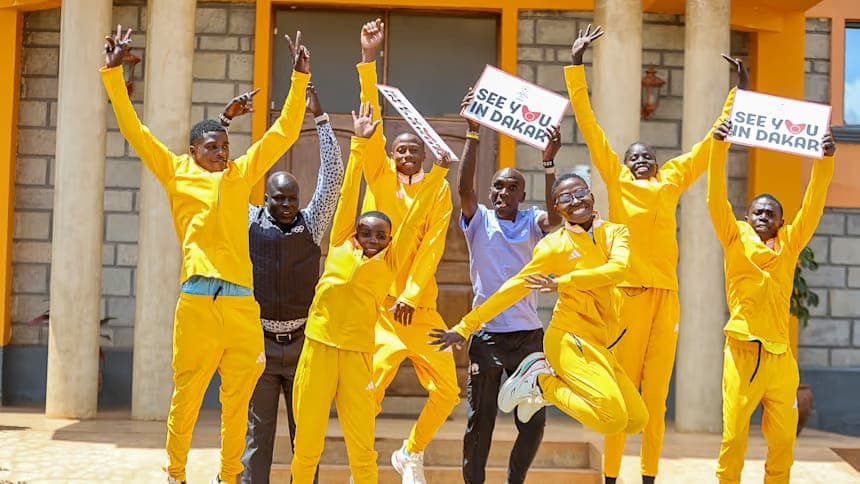
For the first time, a Refugee Olympic Team is competing at the Youth Olympic Games. Six athletes, three girls and three boys, represent millions of displaced people. All six are based in Kenya and Uganda.
Lourance Namukiza, 16, competes in taekwondo. Nyataba Gatloth, 17, runs the 800m. She reached Kenya's Kakuma refugee camp in 2022. Florence Masumbe, 16, races the 200m in Uganda, where her family settled after fleeing the Democratic Republic of Congo.
The team trained together in Kaptagat, Kenya, with two-time Olympic champion Eliud Kipchoge as a mentor. Their chef de mission is Yiech Pur Biel, who ran the 800m for the very first Refugee Olympic Team at Rio 2016.
Girls make up 70 per cent of refugees enrolled in sport programmes at Kakuma, according to World Athletics. These girls do not need persuading. Give them a pathway and they turn up.
The test comes after the cameras leave Dakar. Will the coaching, schooling and race entries continue?
Read our full story: Displaced but not defeated: the young refugees finding their place at Dakar 2026.
Senegal's welcome has a harder side
Senegal's tradition of teranga, or hospitality, sits at the heart of the Games. Not everyone feels welcome.
Days before the opening ceremony, Human Rights Watch (HRW) published Senegal's Youth Olympics' welcome should include everyone. It points to Senegal's amended law criminalising consensual same-sex conduct, with higher penalties and offences for promoting or supporting LGBT people and organisations.
HRW also reports arrests, forced HIV testing and barriers to legal representation.
This is a human rights issue about the safety and dignity of residents, visitors and athletes. It should not shrink into a social media row about who is “inclusive”.
The Olympic Charter commits the movement to non-discrimination. HRW argues that conditions for LGBT people in Senegal sit uneasily with that promise.
Africa can celebrate hosting an Olympic event for the first time and still ask hard questions. Both conversations are needed.
Dakar 2026 reached 50/50. Now comes the harder part
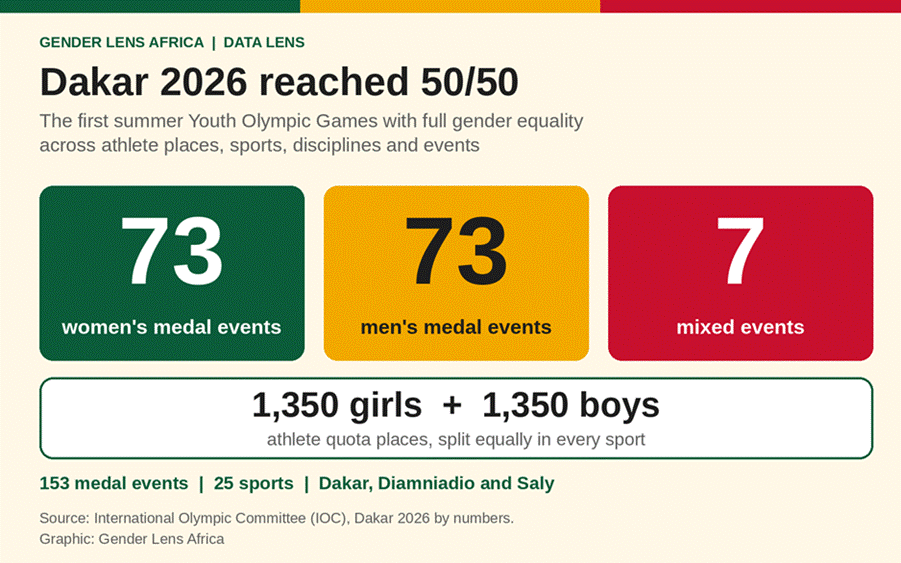
Here is the number that matters most through a gender lens. Dakar is the first Youth Olympic Games to achieve full gender equality across athlete quota places, sports, disciplines and events.
The programme has 73 women's medal events, 73 men's and seven mixed events. That is 1,350 places for girls and 1,350 for boys.
It is a big step. For generations, girls' sport has lived with unequal access, thin funding, cultural pressure and the idea that some events belong to boys.
But equal numbers at the start line do not guarantee equal chances after it. Who gets the best coaches? Who gets sponsors? Who has a safe place to train? Who gets the headlines once the medals are handed out? And how many of these girls will still be competing in ten years?
The United Nations system has been asking similar questions. UN Women and the IOC launched the Sport for Generation Equality framework in 2020 to push for gender equality in and through sport. Dakar is a chance to see what that looks like in practice.
Before you leave Dakar
Week one gave us a teenage swimmer who made history for Ecuador, refugee athletes who are far more than their circumstances, and a host nation that put African culture at the centre of the Olympic stage.
Sport can give young people visibility, confidence and a sense of belonging. It cannot do that on medals and slogans alone. It needs money, access, protection and institutions that take young athletes seriously.
Dakar has opened the door. What happens after the Games is the real test.
And if week one is any guide, these young women have no plans to wait on the sidelines.