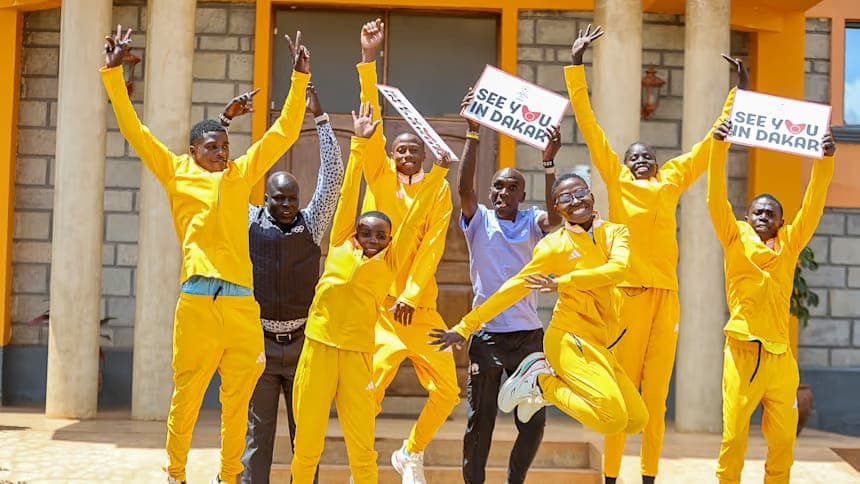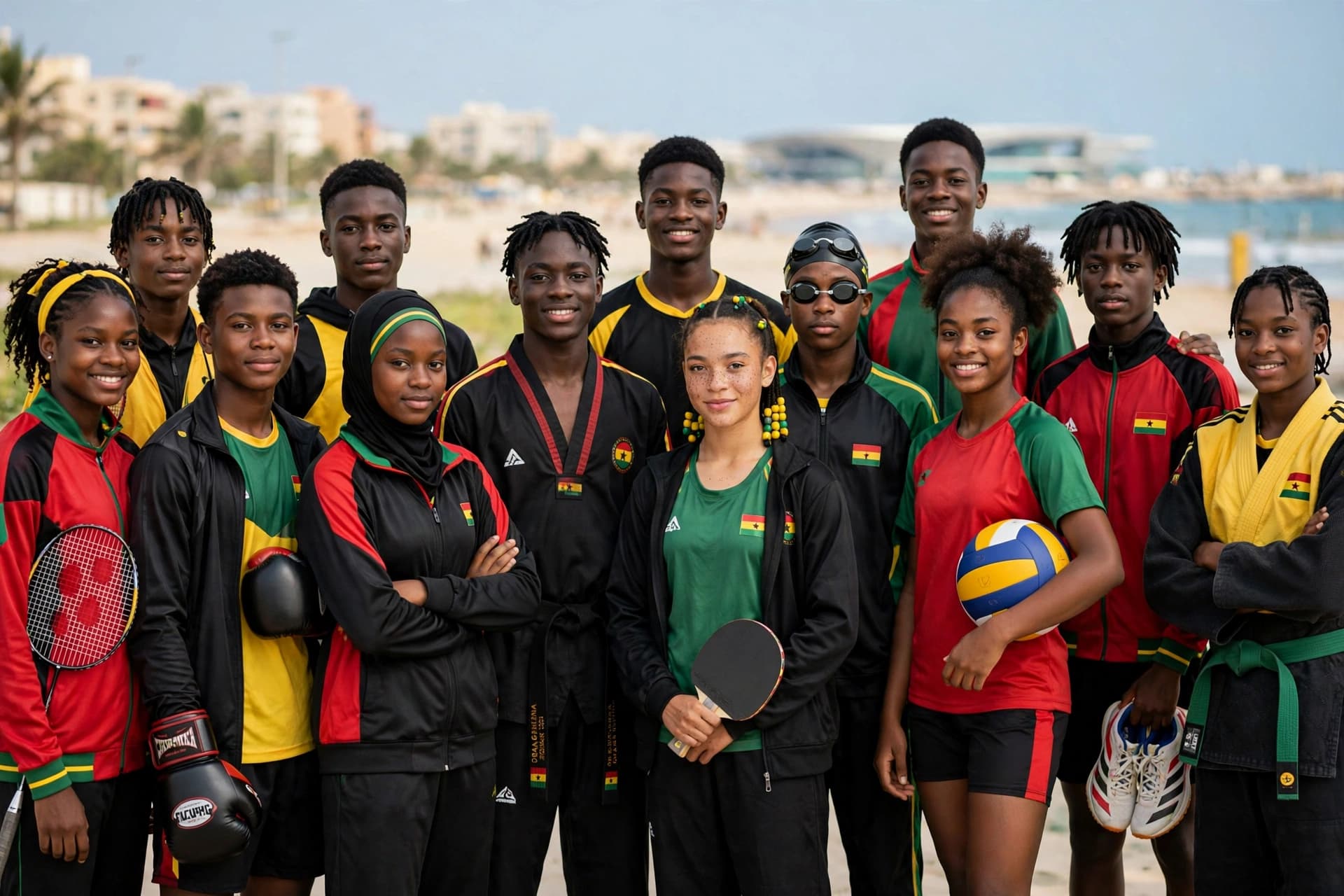
Accra, Ghana, October 29, 2026: The Dakar 2026 Youth Olympic Games (YOG) run from 31 October to 13 November across three host areas: Dakar, Diamniadio and Saly. The International Olympic Committee (IOC) expects 2,655 athletes aged 14 to 17 from 204 National Olympic Committees (NOCs), plus a Refugee Olympic Team.
They will compete in 25 sports and 153 medal events. Ten further "engagement sports", including golf, karate and surfing, run without medals.
Dakar was due to host in 2022. The Covid-19 pandemic forced a four-year postponement.
The Youth Games work as a proving ground. Swimmer Chad le Clos and taekwondo athlete Jade Jones competed at the first edition in Singapore in 2010 and became Olympic champions at London 2012. Sprinter Noah Lyles won 200m gold at Nanjing 2014, then 100m gold at the Paris 2024 Olympics, according to BBC Sport Africa.
Why Africa's first Olympic event matters
IOC official Christophe Dubi called the Games "monumental" for the continent. Africa has hosted many international competitions, he said, but never one carrying the Olympic rings.
There is a link to the top of the Olympic movement. Zimbabwe's Kirsty Coventry became the first woman and first African elected IOC president last year, and she previously chaired the coordination commission for Dakar 2026.
The IOC and organisers point to concrete benefits for young people:
• 23,000 people registered for 6,000 volunteer roles.
• More than 300 young professionals, including participants from 21 African NOCs, trained through the Dakar 2026 Learning Academy.
• More than one million Senegalese schoolchildren reached by the Games' Olympic values programme.
• 300,000 solidarity tickets set aside for children, students, associations and sports clubs.
• US$19.5 million allocated to Olympic Solidarity's youth development programmes for 2025 to 2028, with a focus on African NOCs.
All of these figures come from the IOC's own summary of the Games. Organisers have also renovated existing venues rather than build new ones, and the Youth Olympic Village returns to student use after the Games.
What critics say about the cost
Nobody has published a total. Neither the organising committee nor the IOC gave BBC Sport Africa a figure. Senegal's government committed to spend at least US$60 million under the host contract, and loans for long-term sports projects are thought to have grown to about US$90 million.
Separately, Senegal's 2026 budget allocates about €138 million (US$156 million) to Games infrastructure. The French Development Agency (AFD) granted an €80 million loan to refurbish sports facilities. Authorities would not tell AFP what individual projects cost.
These figures measure different things. Gender Lens Africa has not added them together, and neither should readers.
The money question sits inside a wider debt crisis. In 2024, Senegal's new government found that the previous administration had understated public debt. The Court of Auditors later put the 2020 debt ratio at 75.5% of GDP, against the 63.06% originally reported, according to Play the Game.
What a Caa2 credit rating means
Moody's, one of the three agencies that dominate global credit ratings, cut Senegal to Caa2 in August 2026. It associates that level with very high credit risk. Each downgrade typically makes borrowing more expensive for the government.
The same investigation looks at the 50,000-seat Abdoulaye Wade Stadium in Diamniadio. It cost a reported US$270 million, will stage the opening ceremony and archery, and its operator has said it runs at a loss. The IOC told Play the Game that Senegal built the stadium before the Games were awarded and that it was not part of Dakar's bid, so the IOC counts it as an existing venue.
Students also carry a cost. Those living at Amadou Mahtar Mbow University, where the Youth Olympic Village stands, were ordered out on 31 May. In-person teaching is suspended until January 2027, and a student leader told Play the Game that families now cover accommodation and living costs. The IOC says the village will return to university use with improved facilities.
Public mood is mixed. Residents in Dakar's Grand-Yoff market told AFP that jobs and the cost of living matter more to them than the Games. One sculptors' leader called the Games an economic opportunity in difficult times.
Our analysis: judge Dakar 2026 by what is left behind
Both sides hold real evidence. The symbolic gain cannot be bought elsewhere. An African teenager can now watch Olympic athletes compete on her own continent, and thousands of young Senegalese have trained for jobs in event management.
The financial case remains unproven. Until Senegal and the IOC publish a total, citizens cannot weigh the benefit against the cost. The organisers promise a post-Games impact report, and they say the event should be judged by its legacy.
We will judge it on three tests:
• Published cost: a single, audited total that includes loans and the stadium.
• Use after the Games: whether venues and the stadium serve communities, and whether students return to classrooms on schedule in January.
• Jobs for young people: whether the trained volunteers and professionals find work.
Dakar 2026 also tests the IOC's promise to build less and reuse more. The IOC says it kept to that promise. Critics point to a US$270 million stadium that the Games did not require. Readers can weigh both claims once the numbers arrive.