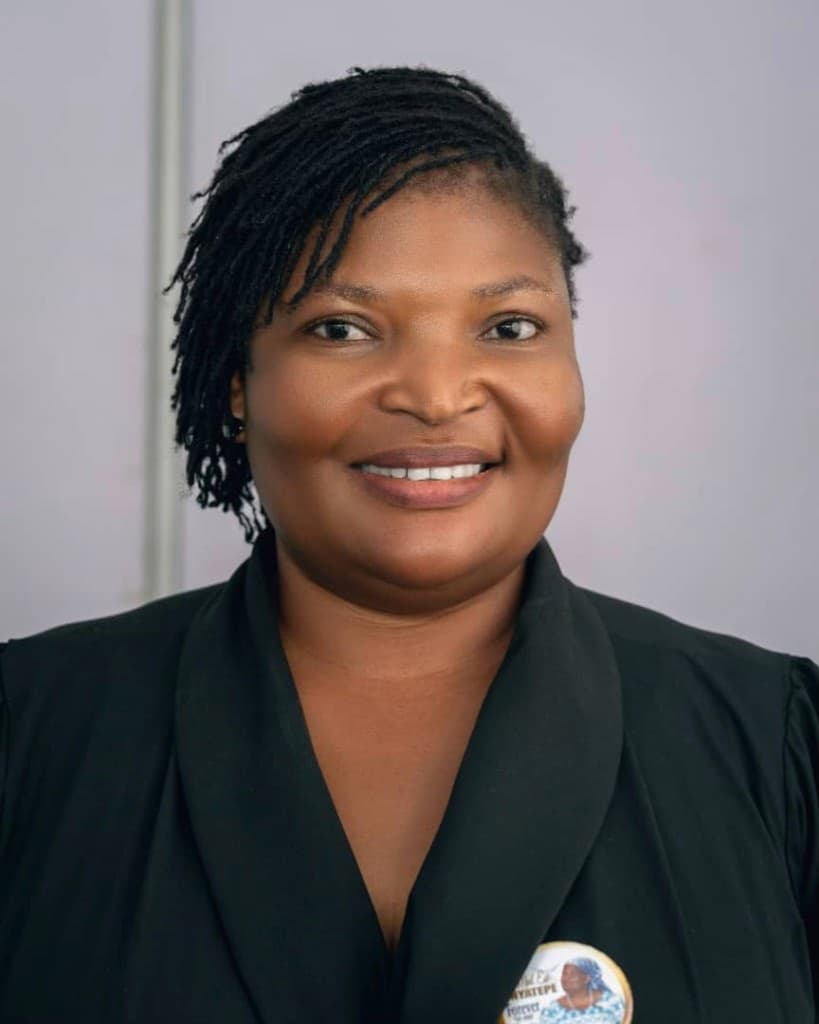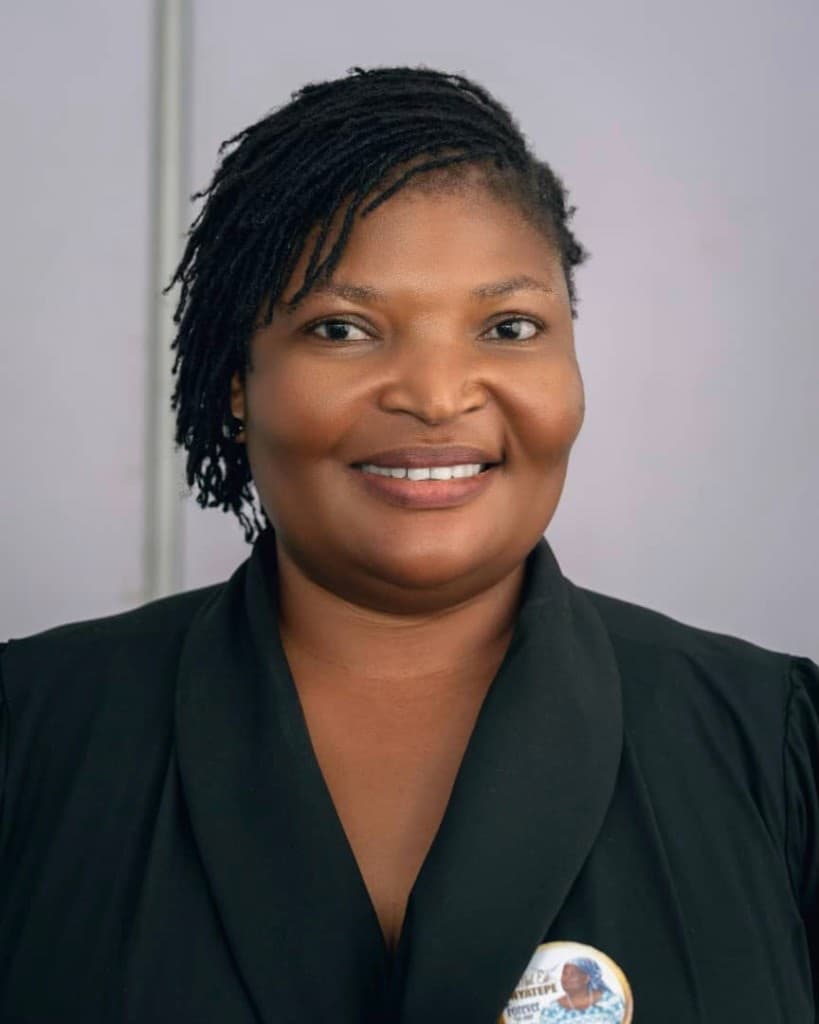
Accra, Ghana, November 20, 2026: Today is World Children’s Day. On social media, a 16-year-old girl is asking strangers to help keep her alive.
Rita Adjokatse is a senior high school student. According to an appeal shared by her older sibling, she has had to pause her education because of kidney failure. She undergoes weekly dialysis at the Ghana Armed Forces Critical Care and Emergency Hospital, at a reported cost of GH¢1,400 per week. Her family says doctors have recommended a kidney transplant and is appealing to the public and benevolent organisations for financial support.
At the reported rate, 52 weeks of dialysis would cost GH¢72,800, before a transplant is even considered. Few families can sustain that level of expenditure without substantial financial support.
Let us be clear about one thing first. There is nothing wrong with Rita’s family asking for help. They are doing what families do when a medical crisis outruns their means. Rita deserves support, dignity and privacy, not judgement. If you can help her, please do.
The bigger question
But a 16-year-old’s access to life-saving healthcare should not depend on whether her family’s social media appeal reaches a philanthropist.
Rita is not the first. In November 2024, another 13-year-old girl, Rosemary Boadu, attracted national attention after her kidney failure story was featured by JoyNews. Businessman Ibrahim Mahama subsequently paid the US$25,000 needed for her kidney transplant.
Each time a child’s story travels far enough, someone generous steps in. The question Gender Lens Africa wants answered is what happens to the children whose videos never travel. Children whose families have no networks, no smartphone reach and no one with a large following to share their story.
What the policy says
On paper, Rita should have access to some of the healthcare support Ghana has promised its citizens. But three different things are at play here, and they should not be confused.
The first is the NHIS free dialysis initiative. In June 2024, the NHIS introduced a free dialysis pilot for vulnerable patient groups, including patients under 18 and those over 60, with provision for up to eight sessions a month. When the national free dialysis programme began on 1 December 2024, it covered patients at 20 accredited facilities. The NHIA also announced that dialysis would become a permanent NHIS benefit. In February 2026, however, the Renal Patients Association of Ghana told Rainbow Radio that only two facilities in Accra were implementing the programme.
The second is the NHIS general benefits package. The NHIA’s published benefits page continues to list dialysis for chronic kidney failure and organ transplantation among services excluded from cover.
The third is the Ghana Medical Trust Fund, popularly known as MahamaCares, set up to support people living with chronic diseases, including kidney failure. It has its own rules. Applicants need an active NHIS membership, and applications are initiated by specialist clinicians at 29 hospitals enlisted for the Fund’s Patient Support Programme, not by patients walking into the Fund’s office. Being on that list does not mean a hospital offers dialysis or kidney transplantation. Its nationwide support began with a focus on critical cancers, and the Fund has since announced an expansion to other chronic diseases. The precise scope of its dialysis and transplant support still needs to be clarified. Support for kidney disease does not automatically mean a kidney transplant is covered.
The gap between these policy commitments and what patients can actually access deserves scrutiny. Gender Lens Africa will not attempt to reconcile these contradictions on behalf of the authorities. They must explain what the policies cover, who qualifies and where patients can receive treatment.
So why is a 16-year-old’s family paying GH¢1,400 a week? We do not yet know, and we will not guess. Whether the explanation is a facility outside the programme, inadequate information about eligibility or restrictions on what the coverage provides, the responsibility for making the system accessible cannot rest on families already struggling with a medical crisis.
Questions that need answers
1. Is the Ghana Armed Forces Critical Care and Emergency Hospital accredited to provide free NHIS dialysis? If not, which nearby accredited facilities can treat Rita without requiring her family to pay the full cost?
2. What are the current eligibility conditions for free dialysis under the NHIS? Are children under 18 still entitled to eight free sessions a month?
3. How many facilities are currently providing free dialysis, and how many patients, particularly children, are benefiting?
4. Does MahamaCares currently cover chronic kidney disease, dialysis and kidney transplantation? What are the eligibility requirements for patients under 18? Is Rita’s hospital an enlisted facility, and if not, can she be referred to one without disrupting her care?
5. How many children with kidney failure have received assistance through MahamaCares since its establishment?
6. Why does the NHIA’s published benefits page continue to list chronic dialysis as an exclusion, despite the Authority’s announcement that dialysis was permanently added to the NHIS benefit package?
7. Where a child’s nearest hospital does not participate in either programme, what arrangements exist for referral, transport and continuity of care? How can families access treatment without interrupting regular dialysis?
Why this is a gender lens issue
Rita’s illness has interrupted her education, but the consequences of serious childhood illness often extend beyond the child. Families must reorganise their time, finances and care responsibilities around treatment. In households where unpaid care work falls disproportionately on women and girls, a child’s illness can place additional demands on mothers and sisters.
There is a dignity question too. A child should not have to share her diagnosis, her hospital bills and her fear with the whole internet to get treatment. Public appeals can save lives, but they also leave a permanent digital record of a child at her most vulnerable.
The line we will hold
A health financing system exists to protect families from catastrophic costs. Announcements about coverage must translate into services a family can walk into and use. Children with life-threatening illnesses need publicly supported treatment that does not depend on going viral.
A country cannot claim to protect its children while leaving access to life-saving treatment dependent on the generosity of strangers. Rita should not have to tell her story to the internet to have a chance at growing up.
Gender Lens Africa is putting these questions to the National Health Insurance Authority, the Ghana Medical Trust Fund and the Ministry of Health. We will report their answers, or their silence.