Accra, Ghana, November 21, 2026: Police in South Africa recorded the murders of 581 women in just three months, between July and September 2026. That is more than six women killed every day.
The figure comes from the latest quarterly crime statistics released in Pretoria on Friday, 20 November, by Acting Police Minister Firoz Cachalia and National Police Commissioner General Fannie Masemola. Gauteng, the province that includes Johannesburg, accounted for 131 of the women killed.
The statistics land in a year when the killings of 13 women, whose bruised and partially clothed bodies were found dumped in public places in and around Johannesburg, have shaken the country. Police now say eight people have been arrested in connection with those deaths.
Overall murders fall, but women remain targets
South Africa recorded 5,590 murders in the quarter, 204 fewer than in the same period of 2025. Even with that fall, the country still averaged about 60 murders a day, the BBC reported.
Of the victims, 4,819 were men, 581 were adult women and 149 were children. Police also recorded 9,908 rape cases over the same three months, according to Leadership.
It is not possible to say whether killings of women rose or fell compared with last year. The police had recently stopped publishing figures for women murdered, citing what they called significant anomalies in the data.
Speaking on the figures, Firoz Cachalia said there needed to be greater efforts to prevent violence against women and children.
Eight arrests over the Johannesburg killings
On Thursday, 19 November, Gauteng's provincial police commissioner, General Tommy Mthombeni, gave the first full account of arrests linked to the 13 women found in and around Johannesburg this year.
Three of the arrests relate to Elizabeth Moselakgomo, 38, a keen runner who disappeared during her daily run near her home in Kempton Park. Her disappearance led to a nationwide search. Her body, badly bruised and partially clothed, was found on 12 September.
Two people have been detained over the death of Jabulile Ntimba, 33. She was found half-naked and wrapped in a sheet at the side of a road in Boksburg on 17 September, the ninth body recovered in the Ekurhuleni area.
One suspect has been arrested over Ntombifuthi Nxumalo, found naked with serious head injuries at a cemetery in Tembisa on 26 September, with stones beside her body. Another person has been arrested over a separate Kempton Park case.
The earliest arrest came in July, after the body of Busisiwe Mahlangu was found in Kempton Park on 15 July. Hers was the first of the 13 bodies discovered.
Five women and a toddler shot dead in Free State
As the statistics were published, the country was absorbing another mass killing. On Wednesday night, 18 November, three masked men opened fire on a family in Botshabelo township, Free State province, killing five women and a toddler.
Police said the gunmen were looking for the owner of the house. When they did not find him, they forced their way inside and shot at the people there. The owner's wife was shot in the stomach and taken to hospital. No arrests have been made.
A 'national disaster' one year on
In September, President Cyril Ramaphosa promised that no stone would be left unturned to find those behind the Johannesburg killings.
Almost exactly a year ago, in November 2025, his government classified gender-based violence and femicide (GBVF) as a national disaster, after women's groups led by Women for Change gathered more than a million signatures and staged a national shutdown. The classification triggers emergency provisions under the Disaster Management Act, which require national, provincial and local government to act together on prevention and support services.
Analysts have questioned what the declaration has changed in practice. The Institute for Security Studies argues that South Africa needs working partnerships between the state and civil society, not more promises. Daily Maverick has reported that the national council meant to oversee the country's 2020 to 2030 strategic plan on GBVF was still not operational in 2025.
This quarter's figures, and the bodies left on roadsides around Johannesburg, are the clearest measure yet of how far that promise is from women's lived reality.
Why this matters beyond South Africa
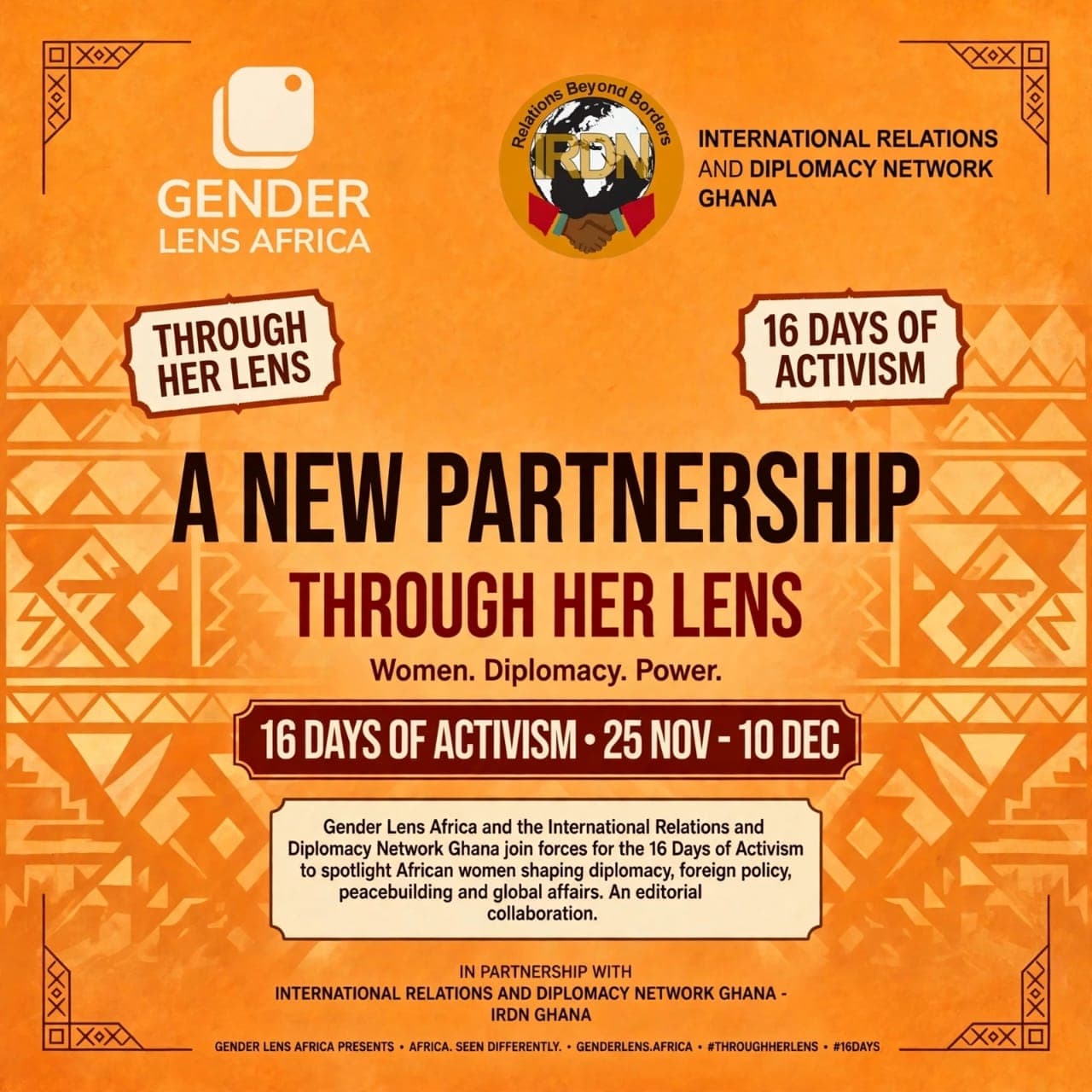
The 16 Days of Activism against Gender-Based Violence begin on 25 November. South Africa's numbers are a reminder that declarations, plans and arrests only count when they keep women alive, and that every African government should be publishing reliable, sex-disaggregated data on women killed, not withholding it.