Accra, Ghana, October 28, 2026: African climate negotiators have been urged to ensure that international climate agreements deliver tangible benefits for local communities, with women and young people given meaningful roles in climate decision-making.
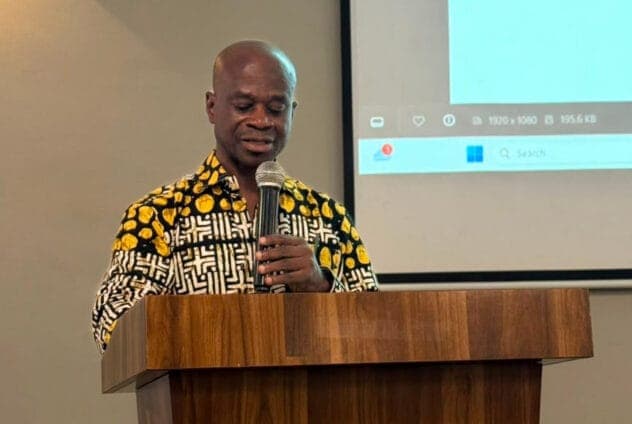
The call was made by Nana Dr Antwi-Boasiako Amoah, Chair of the African Group of Negotiators (AGN), at the opening of the Strategic Meeting on Action for Climate Empowerment (ACE) in Liberia on 27 October.
Addressing government representatives, climate negotiators, national ACE focal points and development partners, Dr Amoah said the success of climate governance depended on whether national commitments could be implemented by the people and institutions expected to deliver them.
In a report published by MyJoyOnline MyJoyOnline , he called for national climate commitments, including Nationally Determined Contributions (NDCs) and National Adaptation Plans (NAPs), to be translated into practical guidance and accessible information for local communities.
He said district planning officers needed clear guidance, while farmers required reliable climate information to inform decisions about planting. Women and young people, he added, should have meaningful roles in decision-making.
Climate education and participation on the agenda
The three-day meeting, scheduled for 27 to 29 October, is focused on strengthening Africa's common position on Action for Climate Empowerment ahead of the 31st United Nations Climate Change Conference (COP31), scheduled for 9 to 20 November in Antalya, Türkiye.
ACE is a framework under the United Nations Framework Convention on Climate Change and the Paris Agreement that promotes climate education and training, public awareness, public participation, access to information and international cooperation.
The Liberia meeting brings together African climate negotiators and national focal points to review the outcomes of the UN climate body's 64th sessions of the subsidiary bodies, held in Bonn, and coordinate priorities for the next round of negotiations.
Dr Amoah said African institutions faced financial and technical constraints that limited their ability to expand climate education and public participation programmes.
He called for financing, capacity-building, technology and international cooperation to remain central to Africa's negotiating position.
“We cannot keep raising implementation expectations without addressing the means required to deliver them,” he said.
Focus on implementation ahead of COP31
The meeting is intended to bring Africa's negotiating strategy closer to the practical challenges facing national institutions and communities.
According to the Liberia News Agency Liberia News Agency, the discussions are expected to produce common African negotiating priorities, a preliminary strategy for ACE at COP31, a coordination and communications framework, and a roadmap for Africa's engagement.
Dr Amoah said the effectiveness of climate diplomacy should be judged not only by what negotiators secure internationally, but also by what communities are subsequently empowered to achieve.
He also pointed to COP32, which is scheduled to be hosted in Africa, as a further opportunity to advance climate empowerment and strengthen institutions across the continent.
The meeting comes as African countries prepare to press for climate action that reflects the continent's development needs, including access to finance, technical support and stronger public participation.
Its eventual impact will depend on how the agreed priorities are translated into national programmes and practical support for communities.