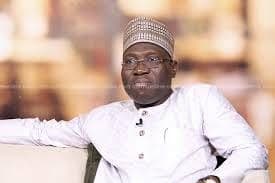
Accra, Ghana, October 28, 2026: Former National Democratic Congress (NDC) Member of Parliament for Tamale Central, Hon. Inusah Fuseini, has warned that the growing cost of political competition is shutting women and young people out of public life and discouraging people who cannot afford the financial demands of seeking office.
Speaking on JoyNews Hon. Fuseini said the financial burden of political participation was narrowing the pool of people able to compete for leadership positions.
“Those heavily impacted by what is happening are women and the youth because they might not have the required resources to be able to do that,” he said.
His comments follow reports of alleged vote-buying during the NDC's recent constituency executive elections. The party has pledged to investigate credible complaints and sanction those found culpable.
Heavy spending raises corruption concerns
Mr Fuseini warned that candidates who spend substantial sums to secure political positions may feel compelled to recover their investments once they gain office.
“A politician is not an NGO, and so when people spend that amount of money, they expect to recoup that, and that fuels corruption on a national scale,” he said.
He argued that the financial demands of politics were also discouraging people with reputations for integrity and public service from contesting elections.
NDC considers framework to address inducement
Hon. Fuseini said efforts to address alleged inducement during the party's internal elections had exposed gaps in the NDC's constitution concerning disciplinary action.
He explained that a committee had recognised the need for sanctions but also found that the party's constitution lacked a clear legal mechanism for dealing with the misconduct.
The party therefore needs a framework defining which bodies should handle complaints, what constitutes inappropriate inducement and what forms of financial support are permissible.
Hon. Fuseini questioned whether payments to delegates, including amounts described as transport allowances, could be distinguished from inducements intended to influence electoral choices.
Proposals under consideration include giving constituency councils of elders the authority to handle complaints or refer cases to the party's national leadership.
He said the recommendations would undergo further scrutiny before being presented to a special congress for possible constitutional amendments.
The former MP described the process as ongoing.
His concerns add to wider calls for political financing reforms in Ghana, including measures to improve transparency, regulate campaign expenditure and broaden access to political participation.