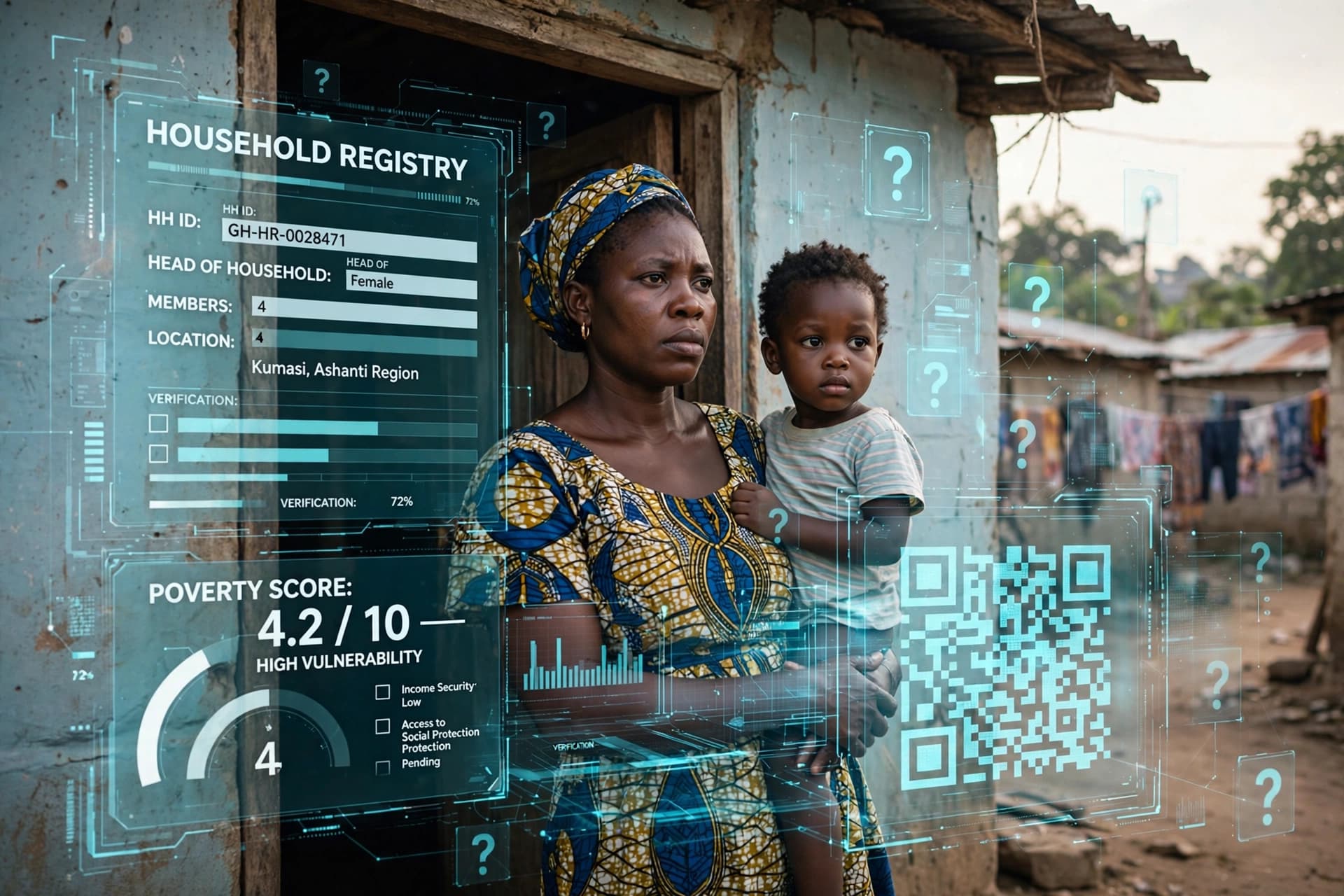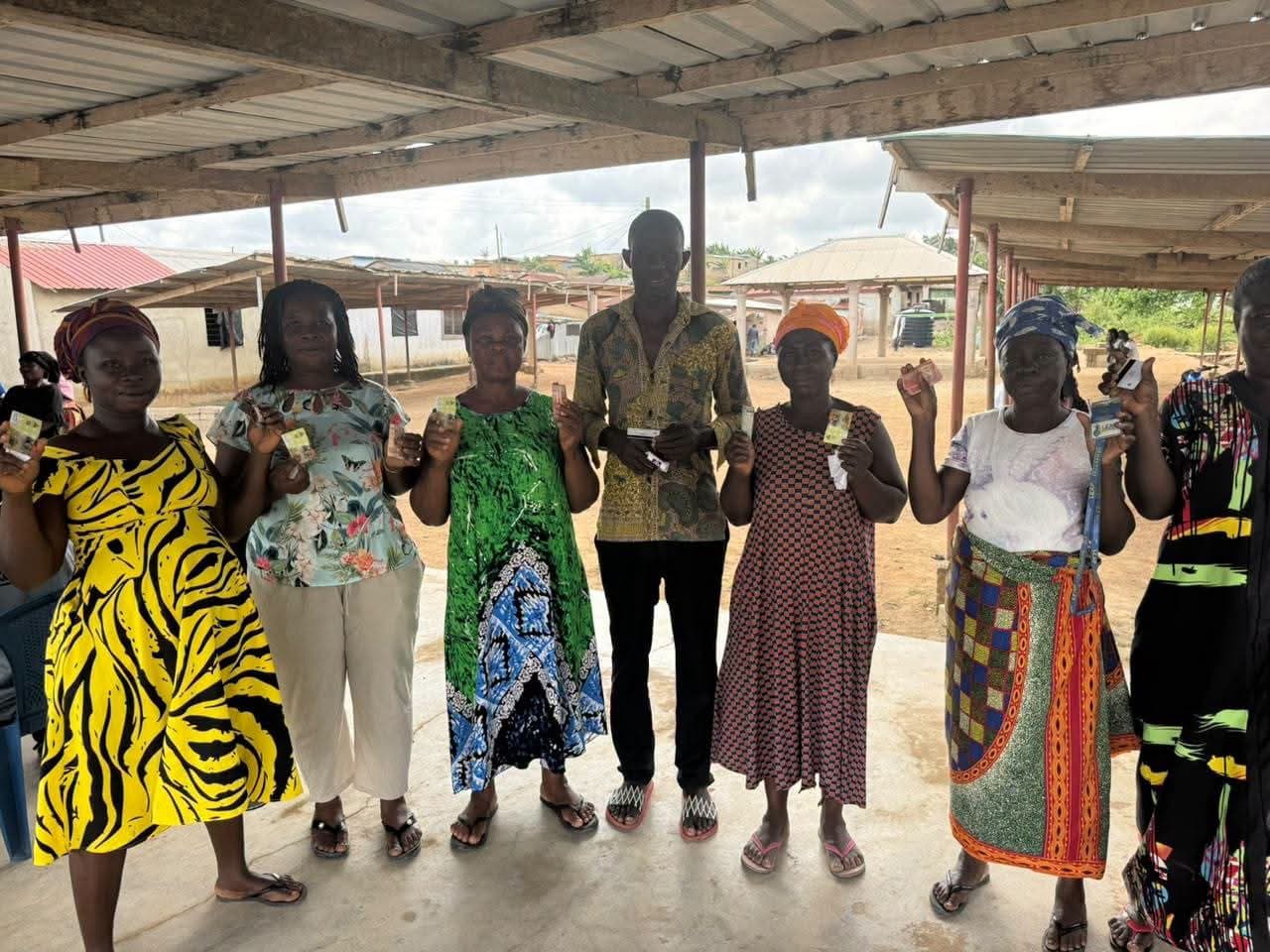
Accra, Ghana, October 16, 2026: The Ministry of Gender, Children and Social Protection (MoGCSP) has deployed monitoring teams across Ghana’s 16 regions to assess the delivery of cash grants under the Livelihood Empowerment Against Poverty (LEAP) programme, as part of efforts to improve accountability and identify challenges affecting beneficiaries.
The ongoing exercise involves visits to selected communities, where monitoring officers observe payment processes, interact with beneficiaries and examine the arrangements for disbursing grants to eligible households.
The teams are also documenting cases and referring reported problems through the appropriate LEAP and Social Welfare structures for follow-up.
The nationwide exercise follows preparatory work in which officers reviewed a revised monitoring questionnaire and received guidance on beneficiary concerns and case management. Areas under review include payment systems, beneficiary records, data quality, payment instruments and grievance handling.
Gender Minister monitors payments in Volta Region
As part of the monitoring exercise, the Minister for Gender, Children and Social Protection, Dr Agnes Naa Momo Lartey, visited Ziavi Dzogbe in the Volta Region to observe grant distribution and engage beneficiaries.
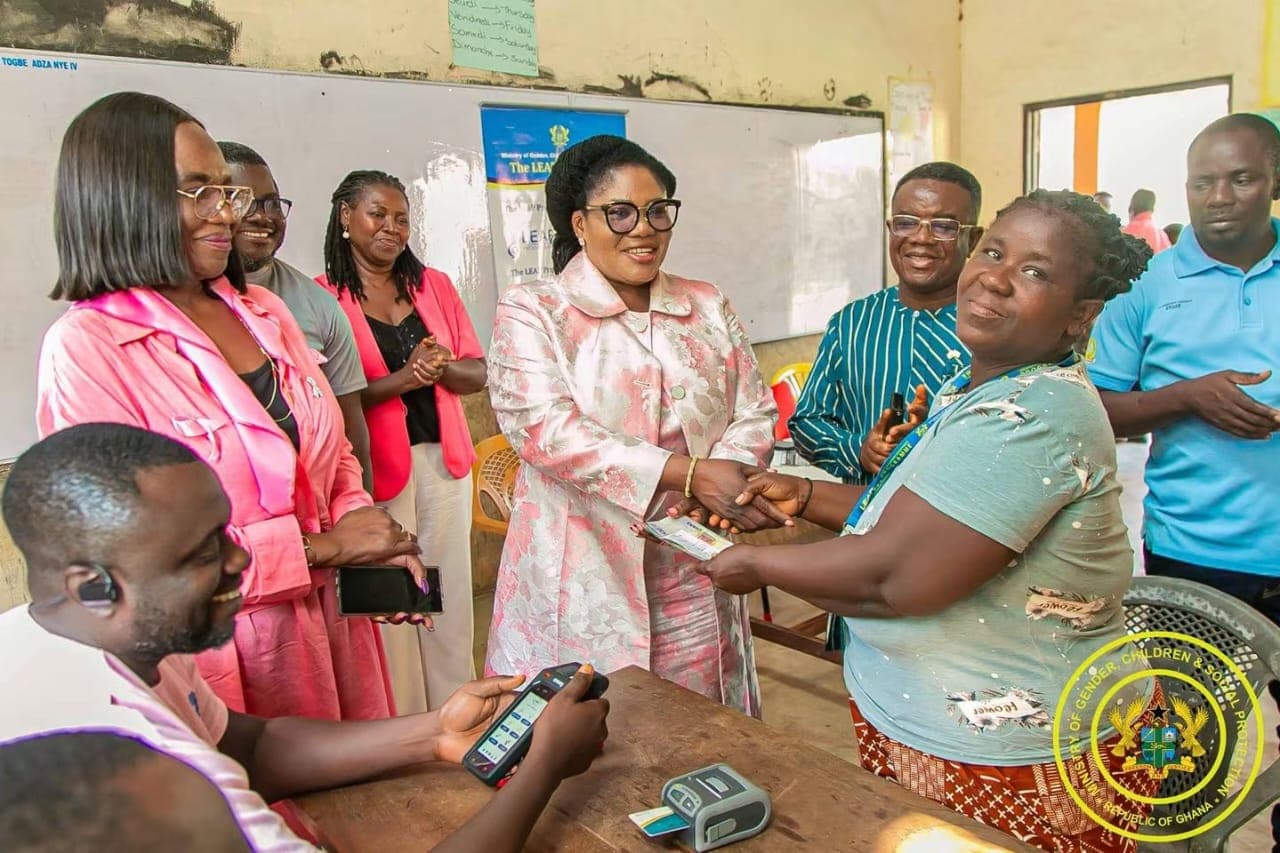
During the visit, she emphasised the importance of ensuring that cash grants reach their intended recipients. She encouraged beneficiaries to use the funds prudently to meet household needs and urged caregivers receiving payments on behalf of beneficiaries to act in their best interests.
The Ministry said the current payment exercise involves two cycles being disbursed together. The amount received depends on household size and vulnerability classification.
Households with two members are receiving GH¢784 if classified as vulnerable and GH¢760 otherwise. Those with three to four members are receiving GH¢984 and GH¢904, respectively, while households with five or more members are receiving GH¢1,260 if classified as vulnerable and GH¢1,188 otherwise.
These figures represent the combined payments for the two cycles, rather than a single-cycle payment.
The Ministry’s announcements do not specify the payment periods covered or provide a breakdown of the amounts attributable to each cycle.
What the monitoring exercise covers
LEAP provides cash assistance to extremely poor households, including households with older persons, persons with severe disabilities and orphaned and vulnerable children.
The Ministry said the monitoring teams would also engage beneficiaries on using their grants to meet essential household needs, including food, healthcare and children’s education.
For households facing poverty, the timely delivery of cash transfers can help them manage basic expenses. However, the effectiveness of the programme also depends on whether beneficiaries receive their grants as expected, can access the money without undue difficulty and have channels through which they can report problems.
The monitoring exercise is intended to help the Ministry identify challenges and refer cases for appropriate action. The announcements did not specify how many complaints had been recorded, how many cases had been referred or whether any payment problems had already been resolved.
Findings needed to assess the impact
The nationwide monitoring exercise is still ongoing, according to the Ministry. Its stated objectives include strengthening accountability, improving grant delivery and ensuring that eligible households receive support.
The Ministry has not yet published consolidated findings showing the number of beneficiaries reached, the challenges identified across the regions or the corrective measures planned.
Those details would help beneficiaries and the public assess whether the exercise is improving payment delivery and how effectively reported problems are being addressed.
For a programme intended to support some of Ghana’s most vulnerable households, monitoring is an important step. Its value, however, will ultimately depend on what the exercise reveals and whether identified problems lead to practical improvements in the delivery of grants.
Source: Ministry of Gender, Children and Social Protection.