Accra, Ghana, October 11, 2026: Ghana’s efforts to implement the Affirmative Action (Gender Equity) Act, 2024 (Act 1121), are placing greater attention on how public institutions plan their spending and allocate resources to address gender inequalities.
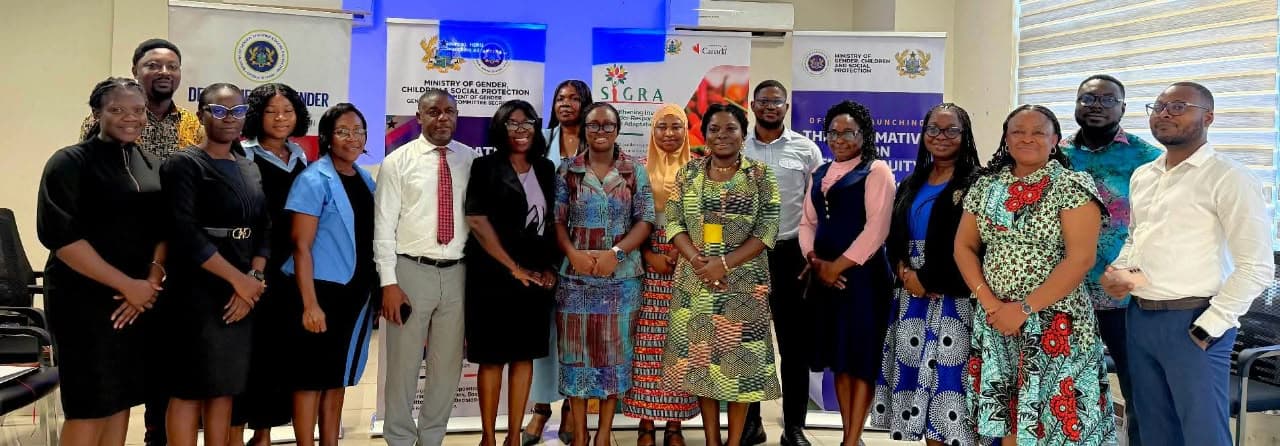
On 29 September 2026, the Gender Equity Committee Secretariat under the Department of Gender, in collaboration with ActionAid Ghana, held a capacity-building workshop on Gender Responsive Budgeting (GRB).
The workshop brought together members of the Sub Committee on Gender Responsive Budgeting and Resource Mobilisation, representatives from selected institutions and other stakeholders to examine how gender considerations can be incorporated into institutional planning and budgeting.
What gender-responsive budgeting means for public spending
Gender-responsive budgeting examines how budgets affect women, men, girls and boys, and whether public spending addresses the different needs and inequalities they face.
It does not necessarily mean creating separate budgets for women. Instead, it involves examining policies, programmes and resource allocations to determine who benefits, who may be left out and what changes are needed to improve equity.
In a welcome address delivered on behalf of the Ministry’s Chief Director, Dr Marian W. A. Kpakpah, the Head of the Gender Equity Committee Secretariat, Vera Karikari, called for deliberate action, adequate resources and the integration of gender considerations into public institutions’ policies, programmes, plans and budgets.
She highlighted Section 19 of Act 1121, which the Ministry says requires public institutions to incorporate gender considerations into their planning and budgeting processes.
Workshop examines institutional gender inequalities
The workshop was facilitated by Dr Efua Ansre of UN Women and Elham Mumuni, Team Lead of the SIGRA Project.
Participants took part in group exercises to identify gender inequalities within their institutions, examine the causes and propose interventions and the resources needed to address the gaps.
The exercises focused on moving beyond identifying inequalities to considering the practical measures and funding required to address them.
This is important because a policy commitment cannot deliver results if the activities needed to implement it are not adequately resourced.
From budget commitments to measurable results
The workshop aimed to strengthen participants’ capacity to integrate gender considerations into institutional planning, budgeting and resource allocation.
The Ministry said the engagement emphasised the need for gender-responsive measures to translate into practical action and equitable development outcomes.
The next question is how participating institutions will apply the training in their budgets and programmes, and how progress will be assessed.
For gender-responsive budgeting to contribute to the implementation of Act 1121, institutions need to identify measurable objectives, allocate resources to address documented inequalities and track whether their spending delivers the intended results.
Public reporting on these commitments would also help citizens assess whether gender equality obligations are reflected in the way public resources are used.
Source: Ministry of Gender, Children and Social Protection.