Accra, Ghana, October 21, 2026: Ghana has reaffirmed its commitment to advancing women’s financial and economic inclusion across Africa, with the Minister for Gender, Children and Social Protection, Dr Agnes Naa Momo Lartey, highlighting the proposed Women’s Development Bank as a flagship government initiative to improve women’s access to affordable financing.
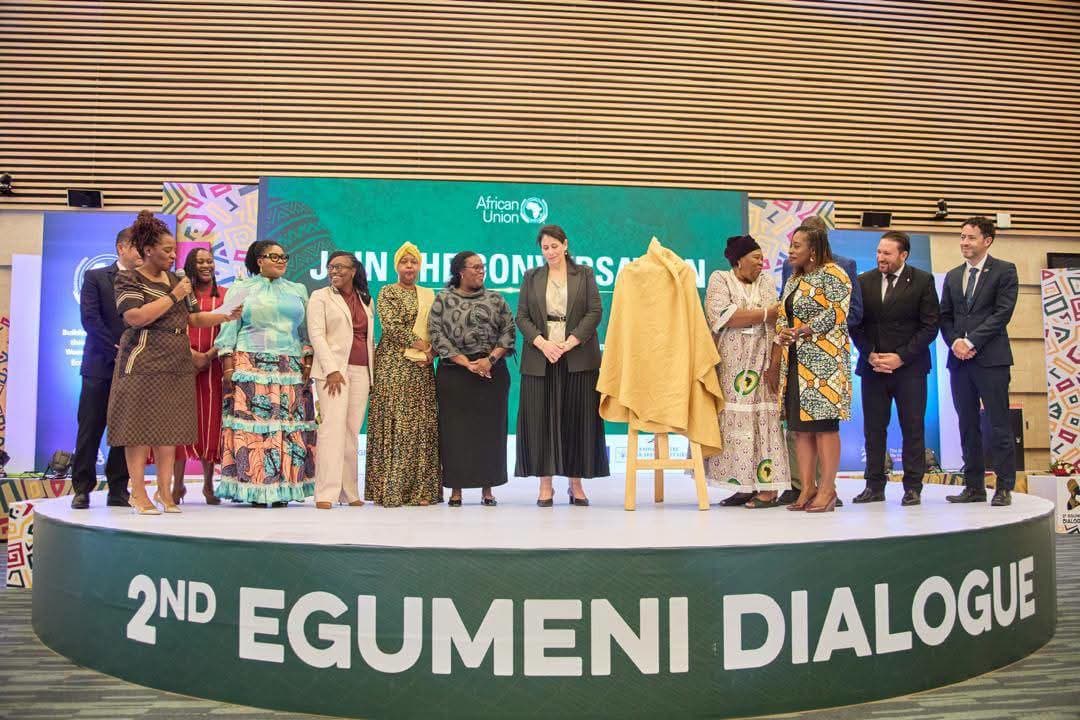
The minister is participating in the Second Egumeni Dialogue on Gender Equality and Women’s Empowerment, taking place from 19 to 21 October 2026 in Addis Ababa.
At the opening of the dialogue on Monday, 19 October, Dr Lartey delivered a solidarity statement on behalf of President John Dramani Mahama, who is also the African Union Champion on Gender and Development Issues in Africa.
The dialogue, organised by the African Union Commission’s Women, Gender and Youth Directorate, is being held under the theme, “Building a Resilient Africa through Accelerated Women’s Financial and Economic Inclusion”.
It brings together African leaders, policymakers, development partners, financial institutions, private-sector representatives and civil society organisations to consider strategies for improving women’s access to economic opportunities and strengthening their participation in Africa’s development.
Women’s access to finance remains a central concern
In her solidarity statement, Dr Lartey highlighted the structural barriers that continue to limit women’s economic participation, including difficulties accessing finance, productive resources, markets, technology, land and business development support.
These barriers can constrain women’s ability to establish businesses, expand existing enterprises, invest in equipment and technology, and compete in markets.
For women who operate small businesses or work in the informal economy, access to affordable credit can be particularly important. Conventional financial institutions may require collateral or impose lending conditions that some business owners struggle to meet.
The minister stressed the need to remove these obstacles to ensure women can contribute fully to Africa’s economic transformation and sustainable development.
Her remarks placed access to finance within a wider discussion about economic participation, recognising that women’s empowerment requires more than encouraging them to start businesses. Women must also have access to the resources, infrastructure and opportunities needed to sustain and grow those businesses.
Women’s Development Bank among Ghana’s key initiatives
Dr Lartey highlighted the government’s initiative to establish a Women’s Development Bank as a flagship intervention intended to expand access to affordable financing for women.
The proposed initiative is expected to support a broad range of women entrepreneurs and workers, including market traders, farmers, food processors, artisans, young digital entrepreneurs and small-business operators.
By improving access to finance, the initiative is intended to help women expand their businesses, improve productivity and create employment opportunities.
For women-owned enterprises, financing can help meet the costs of stock, equipment, processing facilities, technology and business expansion. Access to appropriate financial services can also create opportunities for women to move beyond subsistence-level operations towards more sustainable and productive enterprises.
However, the effectiveness of such an initiative will depend on its accessibility to women with different financial needs, the affordability of its products and the conditions attached to borrowing.
Women operating small businesses need financing arrangements that reflect their circumstances, including the realities of irregular incomes, limited collateral and the costs of doing business. The initiative’s eventual reach and impact will therefore be important measures of its contribution to women’s economic inclusion.
The ministry’s statement did not provide further details on the bank’s implementation timeline, lending terms or the number of women expected to benefit.
Ghana points to gender policy and affirmative action frameworks
The minister also cited Ghana’s National Gender Policy 2025–2034 and the Affirmative Action (Gender Equity) Act, 2024 (Act 1121), as important frameworks for addressing structural gender inequalities and expanding women’s access to productive resources, sustainable livelihoods and decision-making opportunities.
The two frameworks address different but complementary aspects of gender equality.
The National Gender Policy provides a framework for integrating gender considerations into development and public policy, while the Affirmative Action (Gender Equity) Act establishes measures intended to improve women’s representation and participation in decision-making.
Together, these commitments form part of Ghana’s broader policy approach to gender equality. Their impact will depend on implementation, accountability and the extent to which policy commitments translate into opportunities for women across different sectors and income groups.
For women’s financial inclusion, this also raises questions about how gender policies connect with access to credit, business support, land ownership, technology and markets.
Improving women’s representation in decision-making is important, but economic inclusion also requires women to have the resources to participate meaningfully in business and productive activity.
Women’s safety and rights linked to economic participation
Dr Lartey also emphasised that protecting women’s rights, safety and dignity is essential to their full participation in economic and public life.
As part of Ghana’s commitments, she highlighted the country’s deposit of its instrument of ratification of the African Union Convention on Ending Violence Against Women and Girls on 29 September 2026.
The convention forms part of continental efforts to strengthen protections for women and girls against violence and discrimination.
The minister’s remarks connected women’s economic empowerment with the wider conditions that shape their daily lives. Access to financing and business opportunities cannot, on their own, guarantee meaningful participation if women continue to face violence, discrimination and barriers to exercising their rights.
Women’s ability to pursue livelihoods, manage enterprises and participate in public life is also influenced by their safety, access to justice and the support available when their rights are violated.
Addressing these challenges requires coordinated action across financial services, social protection, justice systems and other public institutions.
Call for stronger continental partnerships
The minister called for stronger partnerships among governments, financial institutions, development partners, private-sector actors and women’s business networks to mobilise resources, expand access to affordable financing and improve market opportunities for women across Africa.
She also called for sustained support for the African Union’s Women and Youth Financial and Economic Inclusion 2030 initiative, which seeks to accelerate progress through political leadership, strategic partnerships and increased investment.
The emphasis on collaboration reflects the range of barriers women face when trying to access economic opportunities. Governments can establish policy frameworks and financial initiatives, while financial institutions, businesses and development partners can contribute capital, expertise, market access and business development support.
Women’s business networks and civil society organisations can also help identify gaps between policy commitments and the needs of women operating across different sectors of the economy.
For these partnerships to produce meaningful results, progress will need to be assessed not only by the number of initiatives announced, but also by whether women can access financing on suitable terms, sustain their businesses, increase their incomes and participate in economic decision-making.
Dialogue seeks practical strategies for women’s economic inclusion
The Second Egumeni Dialogue is expected to strengthen continental collaboration and identify practical strategies for expanding women’s financial access, supporting women-owned enterprises and improving women’s participation in economic decision-making.
The intended outcomes include contributing to poverty reduction, job creation, improved household welfare, inclusive economic growth and a more resilient Africa.
For Ghana, the discussions provide an opportunity to present its policy direction and financial inclusion initiatives alongside the wider African effort to address gender inequalities in economic participation.
The longer-term significance of these commitments will depend on how effectively they are translated into accessible financial services, stronger enterprises, improved livelihoods and greater economic independence for women.
As the dialogue continues through 21 October, the focus remains on building partnerships and identifying practical measures to move women’s financial and economic inclusion from policy commitments towards tangible opportunities.