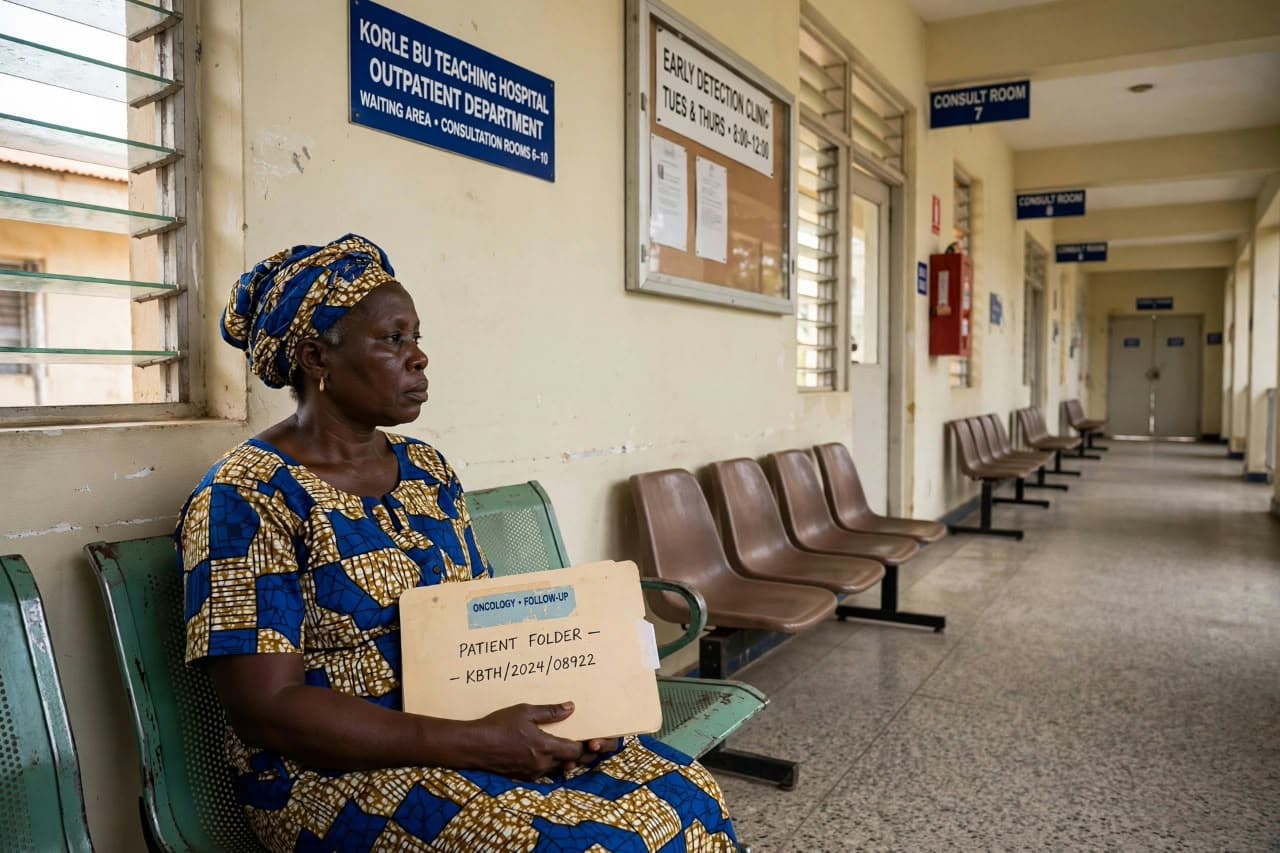
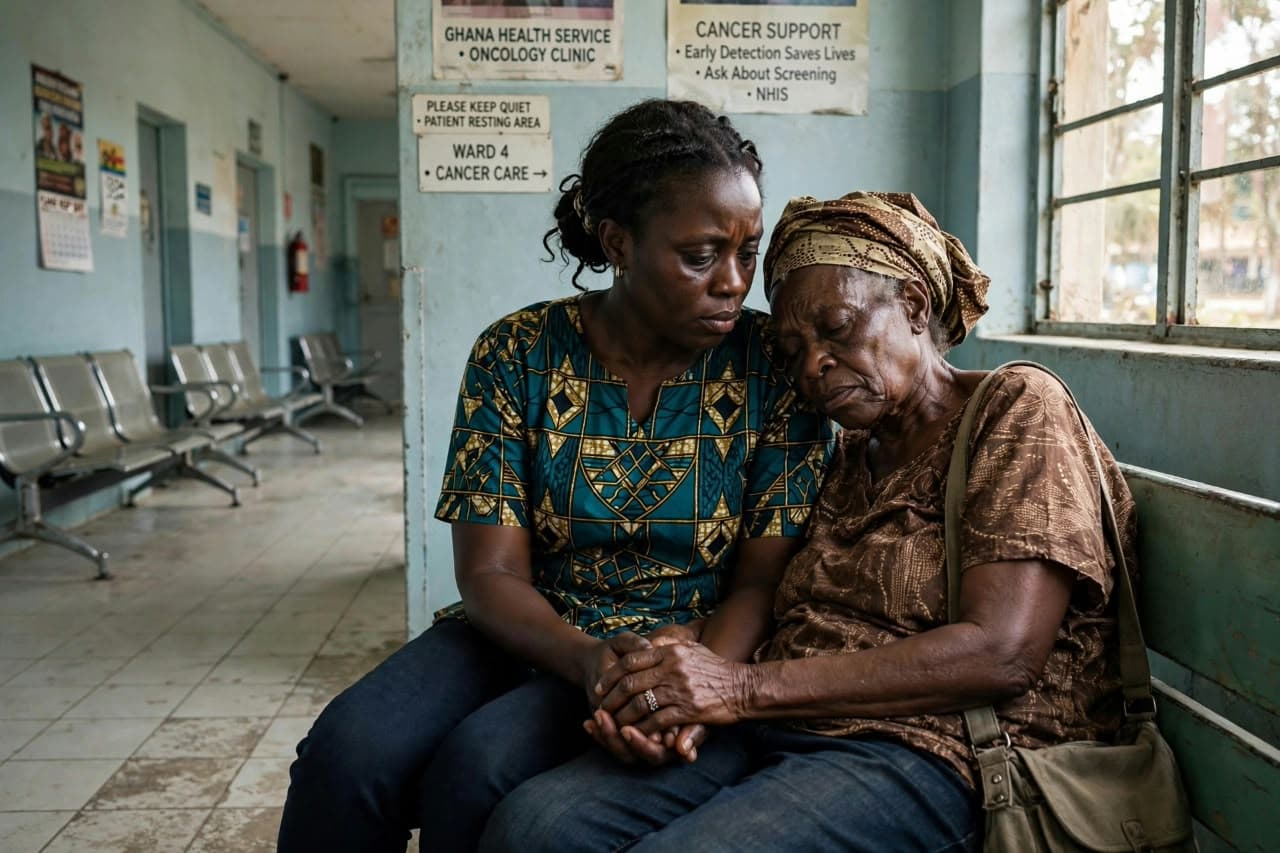
Accra, Ghana, October 1, 2026: Finding space in a hospital is challenging. Families compete for corners and walls. Days blend together as you can't leave. You worry about what might happen if you're not there. No one prepares you for caring for someone with cancer. Oncology appointments multiply and often contradict each other.
Doctors use complex terms that are hard to understand. Medications have names you can't pronounce, but remembering them is crucial. Treatment may occur in one hospital while specialists are in another city. During breast cancer awareness month, we overlook the invisible patients.
Everyone focuses on early detection and survival rates. We become caregivers without training or support. In our part of the world, we face this alone. People promise to help, but their support fades over time. A phone call replaces visits; prayers replace presence. They don't grasp the long-term demands of cancer treatment. They think of short-term crises instead of your ongoing reality.
Isolation sets in as friends drift away. They care but feel uncomfortable with prolonged illness discussions. You avoid mentioning difficult topics to spare their feelings. Pretending to cope becomes exhausting. Employment suffers too, though no one talks about it. Employers start sympathetic but lose patience over time.
Absences stretch from days into months due to treatment schedules. Your professional life crumbles while trying to manage personal challenges. Financial strain is relentless during cancer treatment. Costs add up quickly and unexpectedly, leaving families drowning in debt. Medications may not be covered, and travel expenses accumulate fast. Special diets add further financial pressure without any support available.
Watching a loved one suffer from cancer is brutal for caregivers too. You witness physical pain and emotional turmoil daily while staying strong for them. The trauma lingers long after they recover or pass away. Sometimes you know treatment won't work despite what doctors say indirectly. You begin mourning before they're gone, feeling guilty for these thoughts. Wishing for an end can feel monstrous yet human at the same time.
Death has a distinct presence that's hard to ignore when it approaches loved ones. When it happens, the news feels casual yet devastatingly real, leaving you wailing uncontrollably amidst others who are also suffering. There's no space for grief. No room designated for families to fall apart after cancer wins. You're ushered out, sometimes into the same rain that soaked you while you waited on those stone slabs; and you're supposed to compose yourself, make arrangements, deal with practicalities when every cell in your body wants to collapse.
There's no counsellor to help you process what just happened, no grief support, no acknowledgment that you've just experienced something traumatic that will change you forever. What makes it harder is that nobody shows you how to navigate any of this. There's no guidance for families dealing with cancer in our part of the world, no support group where people who've survived this can tell you what to expect.
You're making decisions that will haunt you forever with information you barely understand, alone in ways that feel almost cruel.
The trauma doesn't end when treatment finishes or when they pass away. It lives in your body, in your mind, in the way you move through the world afterward. You become hypervigilant about every symptom, convinced that cancer is coming for you or someone else you love. You avoid hospitals because the smell triggers memories that make you physically ill.
You hear someone mention chemotherapy and suddenly you're back in that corridor, on that stone slab, waiting for news you don't want to hear.
Sleep becomes difficult long after treatment ends or they're buried. You wake up at medication times that no longer matter, your body trained by months of round the clock care. You dream about hospital corridors, about treatment rooms. The trauma lives in your subconscious, replaying itself while you sleep.
Originally published in B&FT Weekend as part of Bridget Mensah’s Her Space column.