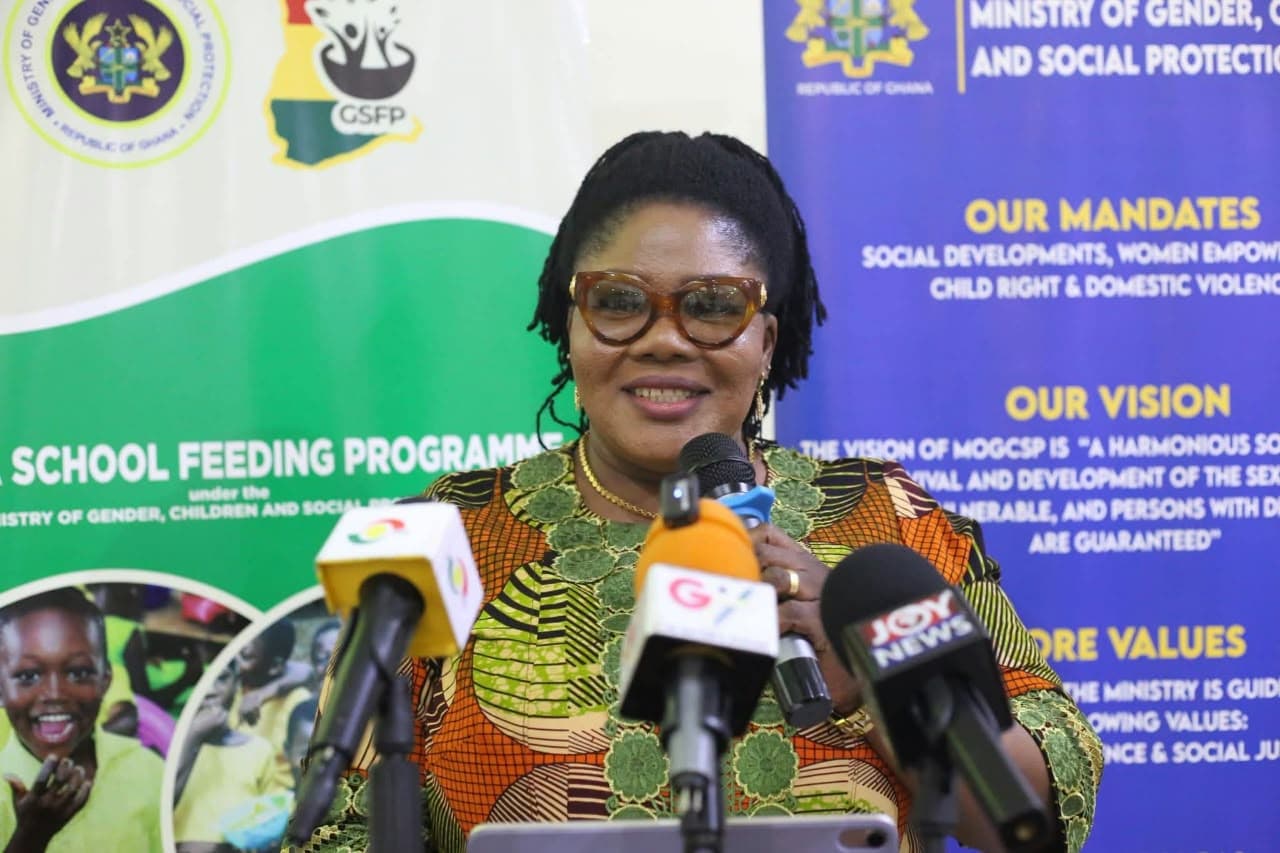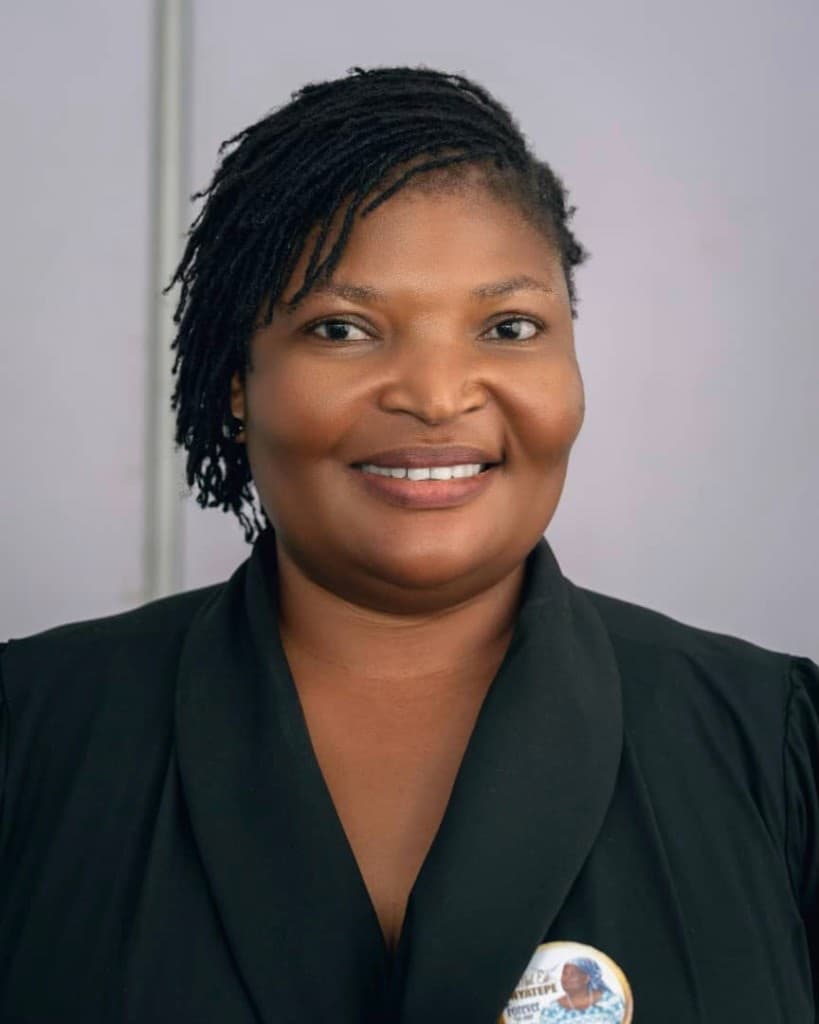
Accra, Ghana, November 20, 2026: Ghana’s Minister for Gender, Children and Social Protection, Dr. Agnes Naa Momo Lartey, has acknowledged that the country’s child protection system faces workforce shortages, relies on development partner funding and works with fragmented data, and has called for more domestic investment, stronger accountability and better coordination to end violence against children.
She was speaking at the Second Global Ministerial Conference on Ending Violence Against Children, held in Manila, the Philippines, on 18 and 19 November 2026, where governments were set to announce more than 230 new pledges.
Ending violence against children, Dr. Lartey said, requires more than individual interventions. It demands coordinated action by government institutions, families, schools and communities, backed by systems that respond to children’s needs. When children report abuse or violence, she said, functional systems must be in place to respond and support them.
Ghana’s progress, according to the Minister
Speaking at a session on strengthening child protection systems through a multi-sectoral approach, Dr. Lartey told delegates that:
• Integrated Social Services now reach all 261 districts, bringing together social welfare, health, education, justice and social protection actors to improve case management and referrals.
• 5,375 social workers, police officers and judicial personnel have been trained.
• Prevention campaigns, including work under the National Parenting Strategy, have reached more than 3.5 million people.
• Every public senior high school now has trained Safe Space Focal Persons, and work is under way to connect school reporting mechanisms directly to district social welfare services.
She also pointed to efforts to strengthen child protection legislation and to professionalise the social service workforce.
The gaps she named
Dr. Lartey identified three weaknesses: too few workers, dependence on development partner funding, and fragmented data systems. She called for increased domestic investment and stronger accountability to sustain the quality of child protection services.
She shared three lessons from Ghana’s experience:
1. Coordinate services around the needs of the child, not around individual institutions.
2. Strengthen existing government systems rather than build parallel ones.
3. Invest in the social service workforce and in data systems at the same time.
What the conference is about
The Manila meeting follows the first Global Ministerial Conference in Bogotá, Colombia, in November 2024. There, governments identified three breakthrough areas: supporting parents and caregivers, making schools safe and enabling places, and ensuring strong child protection systems and services. Dr. Lartey’s session focused on scaling prevention through these three breakthroughs.
UNICEF figures released for the conference show that 1.6 billion children, two in three, experience violent discipline at home, and that about one in five girls and women alive today experienced sexual violence as children, compared with about one in seven boys and men.
The numbers behind Ghana’s challenge
Recent data show the scale of the gaps Dr. Lartey described. UNICEF Ghana reports that 94 per cent of children experience violent discipline, 28 per cent are engaged in child labour, and one in six girls marries before 18. Ghana has only 41 per cent of the social welfare workforce it needs.
UNICEF’s 2026 Child Protection Budget Brief puts identifiable child protection spending across government at GH¢165 million in 2026, below 0.06 per cent of the national budget, or about GH¢15 per child.
Her point on school reporting also lands weeks after a JoyNews investigation into allegations against the headmaster of Obuasi Senior High Technical School, a case that raised questions about how students’ complaints are handled.
What to watch
The Ministry’s statement did not set out Ghana’s new commitments, if any, at the Manila conference, or targets for domestic funding of child protection. Gender Lens Africa will follow up on what Ghana pledged and how it will be financed.
Dr. Lartey said protecting children requires collective responsibility and sustained action, so that prevention efforts lead to lasting improvements in children’s safety and wellbeing.
Frequently asked questions
What did Dr. Agnes Naa Momo Lartey say in Manila?
She said ending violence against children requires coordinated action by government, families, schools and communities, reported Ghana’s progress, and called for more domestic funding because the system faces worker shortages, donor dependence and fragmented data.
What is the Second Global Ministerial Conference on Ending Violence Against Children?
A global meeting of ministers, partners, survivors and young people held in Manila on 18 and 19 November 2026, hosted by the Philippines with WHO and UNICEF, following the first conference in Bogotá in 2024.
How much does Ghana spend on child protection?
UNICEF’s 2026 Child Protection Budget Brief puts identifiable spending at GH¢165 million in 2026, below 0.06 per cent of the national budget, or about GH¢15 per child.
What are Safe Space Focal Persons?
According to the Ministry, they are trained staff in every public senior high school in Ghana who receive and help handle child protection concerns, with plans to link them directly to district social welfare services.