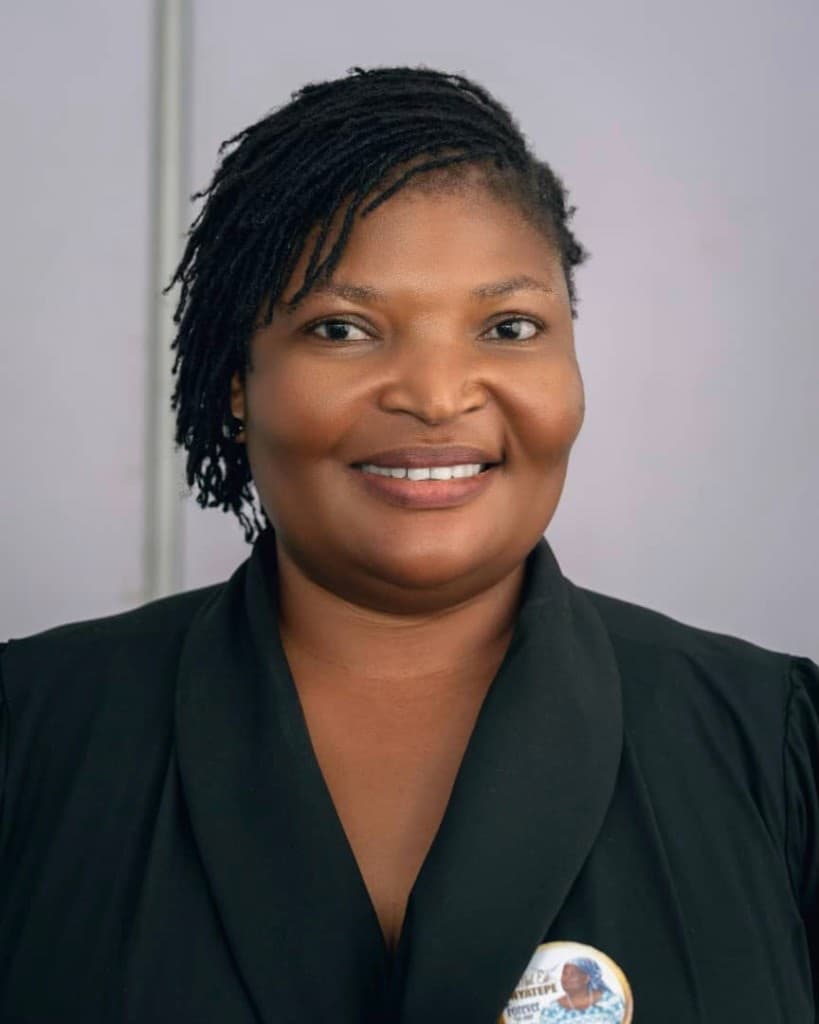
Accra, Ghana, October 5: The phone calls usually come late at night. Another female athlete, unpaid. Another team, abandoned at training camp. For Ayishatu Zakaria Ali, these midnight pleas for help have become as routine as her morning prayers, and twice as sacred."They call me because they feel hopeless," she says. "These athletes give their best to lift the flag of Ghana high, but when it comes time to pay them, they have to fight for it.
Their male counterparts do not even need to ask."In a media landscape where women's sports are afterthoughts and female journalists are novelties, Ayishatu has become one of Africa's most influential voices in sports journalism while wearing her hijab proudly, challenging authority loudly and refusing to apologise for either. Her recognition as one of the 50 Most Influential African Women in Sports for 2025 validates battles fought in silence and victories earned through relentless advocacy.
Growing up in Bawku, northern Ghana, where girls were expected to marry young and stay quiet, Ayishatu was that child who would sneak out to play football with boys. "Back in the north, dreaming to be a professional was something people did not see as something you should dream of," she recalls.Her father, a devoted Hearts of Oak supporter, unknowingly planted different seeds. She loved football, excelled at athletics, but never imagined these passions could become her profession.
The path to journalism was "sheer luck." After secondary school, financial difficulties forced her to work as a receptionist. An advertisement for ETV Ghana's media studies programme changed everything. When ETV discontinued its news programme mid-internship, mentor Sintim Koree-Chaskele advised her to continue in sports, a department with no female presence.Within her first week, Chaskele nicknamed her "the queen of the wailers" and began mentioning "Aisha the goddess" on air. Her name became known before her face did.
She became popular before fully understanding the industry.She did not know, for instance, that women were often discouraged from walking on the pitch due to superstitions. During the 2017 WAFU tournament, where she worked for Fox Sports Africa, she reported an incident where GFA President Kwesi Nyantakyi and his vice George Afriyie ignored each other. Afriyie's supporters confronted her at the stadium after the report.
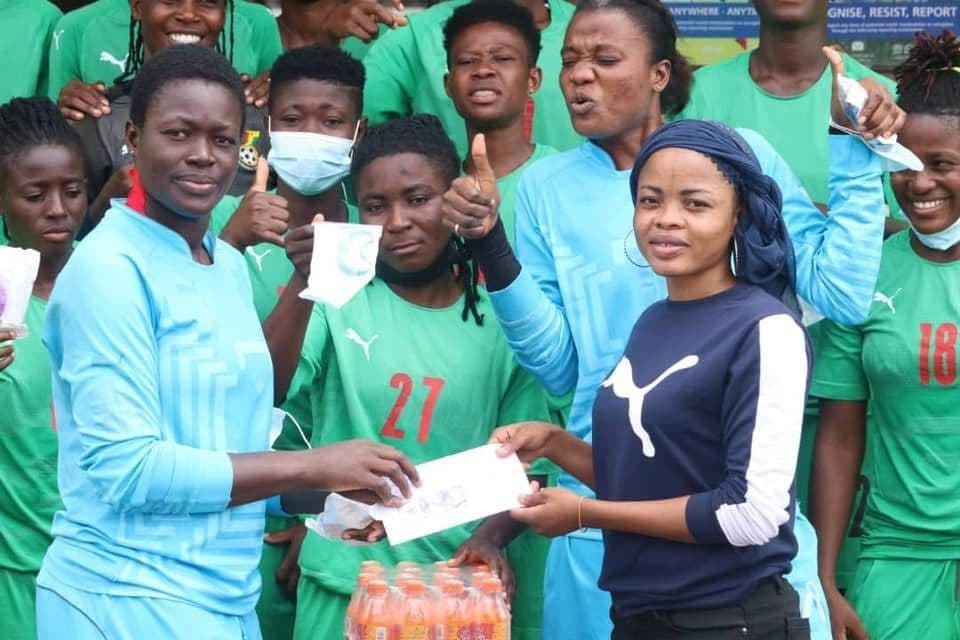
Despite the fear, Ayishatu secured a position with Fox Sports within eight months of starting her career. At the tournament launch, she approached the head of production directly and expressed confidence that she could do a good job. They paid her in dollars for the first time in her life.Yet Ayishatu is most passionate about advocating for women athletes daily. In 2017, striker Mukarama Abdulai became well-known but few knew her story.
Ayishatu shared how Mukarama hid her jersey under an abaya to avoid disapproval from her mother, and how her mother only supported her after seeing her play on television.She tells similar stories about the Black Queens, the Black Princesses and countless female athletes who are unpaid, unseen and unsupported, yet continue to lift the flag of Ghana high.
She uses her platform on ETV Ghana, Happy FM and her social media to ensure no female athlete is forgotten. She reports on their allowances, their camps, their struggles and their wins when others will not.But labels matter less than legacy, and Ayishatu is building one that will outlast her career.
The goddess nickname Chaskele gave her in 2017 was meant to be catchy radio content. Instead, it became prophetic; not because she is divine, but because she has inspired devotion to a cause: that female athletes deserve the same respect, resources and recognition as their male counterparts."What I do matters," she insists, "because these athletes feel hopeless without someone fighting for them. I cannot withstand injustice."Until acceptance of women's sports becomes universal, she will continue taking midnight calls from desperate athletes. She will continue publishing stories that make administrators uncomfortable.
She will continue being too loud, too persistent, too unwilling to accept that some battles are not worth fighting because for Ayishatu Zakaria Ali, recognised among Africa's 50 most influential women in sports, there is no such thing as a battle not worth fighting if it means another girl somewhere believes she too can be a goddess who dares.
Originally published on The Business & Financial Times (B&FT)