Accra, Ghana, October 22, 2026: The allegations of sexual abuse involving female students at Obuasi Senior High and Technical School (SHTS) have renewed calls for stronger parental involvement in school life. But beyond the calls for parents to become more active, the case raises a difficult question: how much responsibility can Parent-Teacher Associations (PTAs) realistically carry when the institutions entrusted with protecting students are themselves under scrutiny?
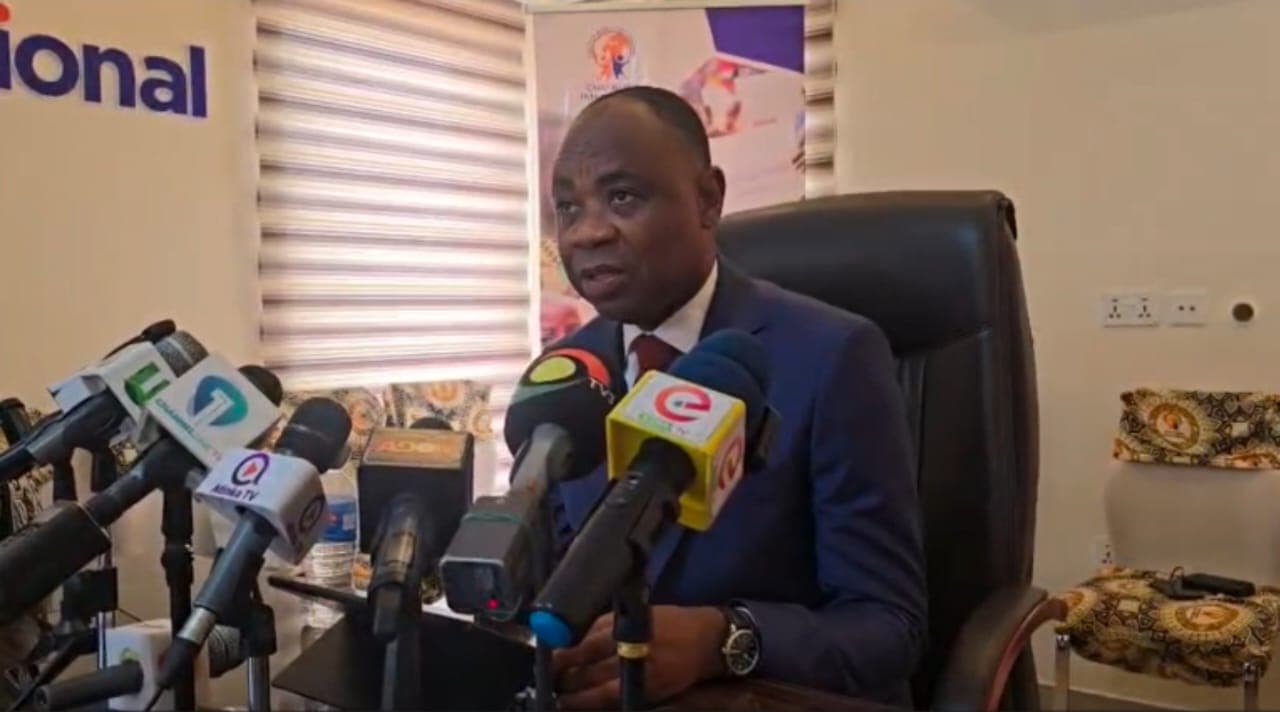
In a report published on October 21, 2026, the Ghana News Agency (GNA) quoted former Deputy Minister of Gender, Children and Social Protection, Dr Freda Prempeh, as calling for PTAs to be deeply rooted in school activities to help address sexual abuse and other concerns affecting students.
She also called for enforcement of the Ghana Education Service's code of conduct.
The proposal speaks to an important part of school safeguarding. Parents who maintain contact with teachers and school administrators may be better placed to raise concerns about student welfare, question how complaints are handled and demand action when warning signs emerge.
However, parental participation is not a substitute for the systems that schools and education authorities must establish to prevent abuse, respond to complaints and hold people accountable.
Parents cannot protect children from what they cannot see
PTAs can provide a valuable link between families and school authorities. They can raise awareness about children's rights, encourage students to speak to trusted adults and ensure that parents know where to report concerns.
Regular engagement with school management can also give parents an opportunity to ask questions about student welfare, disciplinary procedures, supervision and the handling of complaints.
But involvement has limits. Parents are not present in every classroom, dormitory, office or interaction between a student and a staff member. Even highly engaged parents may not know that a child is experiencing abuse, particularly when the alleged perpetrator is an authority figure whom the student fears or feels unable to challenge.
Children may remain silent because they fear punishment, embarrassment, disbelief or the possibility that speaking out will disrupt their education. Some may worry about how their families will react or whether they will be blamed for what happened.
This means that a safeguarding system cannot depend on parents noticing something is wrong. Schools need procedures that allow students to report misconduct safely, including when they cannot or do not wish to approach their parents first.
Who receives a complaint when school management is implicated?
One of the central questions in any school abuse case is where a student can turn when the person accused of misconduct occupies a senior position.
A reporting process that requires a student to approach the headmaster, for example, is inadequate when the complaint concerns the headmaster himself. Students must have access to an alternative route outside the immediate school management structure.
That route should be clearly communicated to students, parents and staff. Serious allegations must be referred to the appropriate authorities, including the police and child protection services where necessary, rather than being handled solely as internal disciplinary matters.
The response must also protect students from intimidation and retaliation. Their identities and personal information should not be circulated unnecessarily, and they should not be forced to repeat distressing accounts to multiple people when coordinated procedures can reduce that burden.
PTAs can help make these reporting options known. They can ask school authorities whether safeguarding procedures exist and whether students know how to use them. But they should not be expected to investigate allegations themselves or replace trained professionals.
Accountability must go beyond calls for parental involvement
Dr Freda Prempeh's call for stronger PTA participation also raises questions about the responsibilities of the Ghana Education Service and individual school administrations.
School safeguarding requires more than a code of conduct on paper. Staff must understand the standards expected of them, students must know how to report inappropriate conduct, and school authorities must act when complaints are received.
Education authorities must also have procedures for escalating allegations involving senior officials, monitoring whether appropriate action has been taken and addressing any failure to follow established protocols.
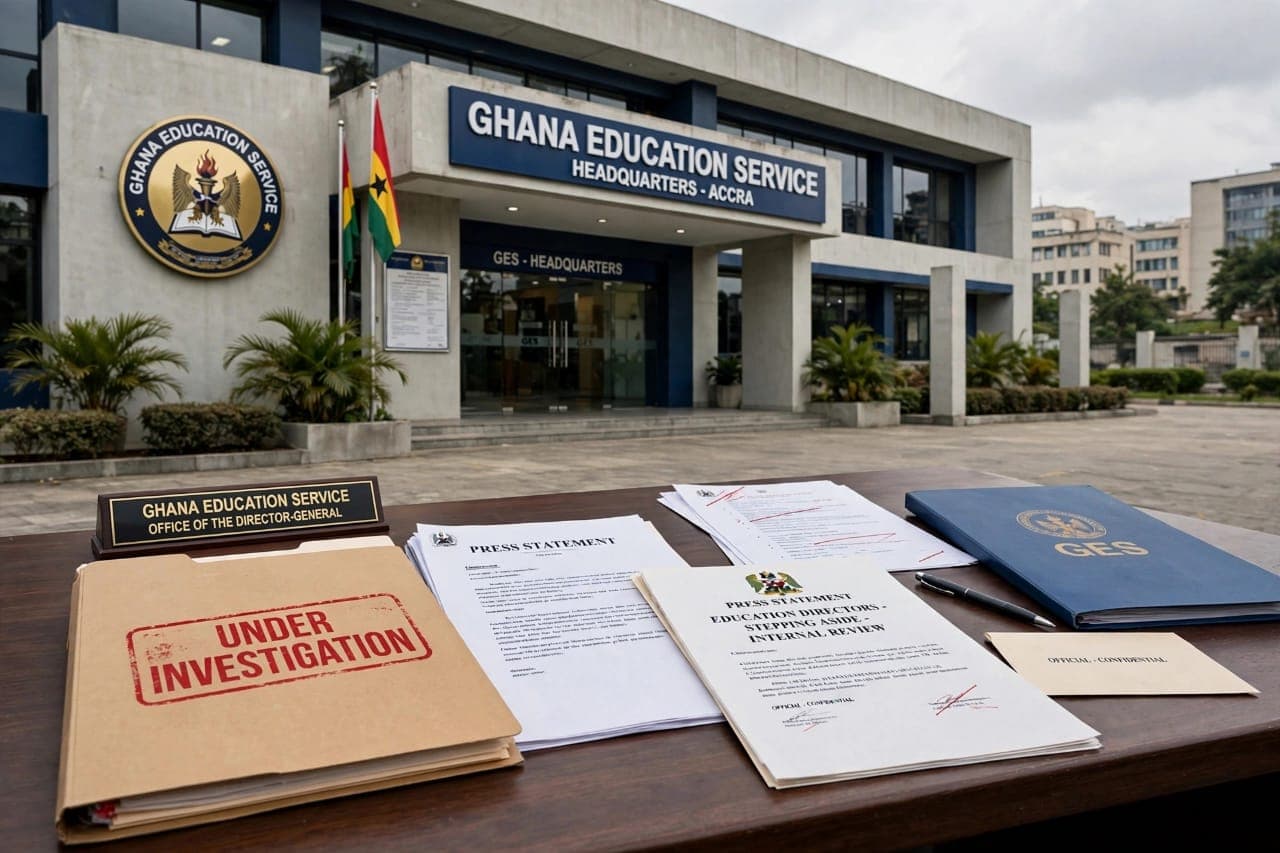
In the Obuasi SHTS case, the GES has interdicted the headmaster pending investigations into the allegations. The investigation must establish the facts and determine any individual responsibility. It should also establish whether relevant complaints or warning signs existed before the matter became public and, if so, how they were handled.
These are questions for investigators and the relevant authorities to answer on the evidence. They should not be treated as proof that any particular person knew about or concealed abuse.
However, examining how institutions respond to complaints is essential if the aim is to prevent similar incidents. Where evidence establishes that an official failed to fulfil a safeguarding duty, the appropriate disciplinary or legal consequences should follow.
Children must not be made responsible for adult misconduct
Discussions about preventing sexual abuse can easily shift towards what children should wear, how they should behave, whether they should obey adults or whether their parents supervise them closely enough.
Such conversations risk placing the burden of prevention on the very children whom the system is supposed to protect.
Teaching students about personal boundaries, consent, appropriate conduct and how to seek help is important. But this education must never suggest that a student's behaviour makes her responsible for an adult's sexual misconduct.
Adults in schools occupy positions of trust and authority. They are responsible for maintaining professional boundaries and complying with the law and applicable professional standards.
Parents should be encouraged to listen to their children without judgement, take disclosures seriously and seek appropriate support. Schools must create conditions in which children can speak without fearing that they will be blamed, punished or forced to leave their education behind.
What should an effective PTA safeguarding role look like?
PTAs can move beyond occasional meetings and fundraising activities by making student welfare a regular part of their engagement with school management.
This could include asking whether the school has a written child protection policy, whether students know how to report abuse and whether staff have received appropriate safeguarding training.
PTAs can also help communicate official reporting channels to parents, encourage age-appropriate education about children's rights and raise concerns when families believe complaints are not being addressed.
Where a serious allegation arises, the PTA's role should be to support the affected student and family, protect confidentiality, avoid spreading unverified claims and refer concerns to the appropriate authorities. It should not attempt to negotiate a private settlement or interfere with an investigation.
The GES, meanwhile, must ensure that schools have functioning safeguarding procedures, accessible external reporting routes and clear expectations about how complaints are documented and escalated.
The Ministry of Gender, Children and Social Protection and relevant child protection agencies also have roles in ensuring that children can access appropriate protection and support.
Safer schools require more than active parents
PTAs can strengthen the relationship between families and schools, but their effectiveness depends on the institutions around them. Parents cannot independently enforce professional standards, conduct criminal investigations or guarantee that a child who reports abuse will be protected from retaliation.
Those responsibilities require properly functioning systems, trained personnel and authorities prepared to act on complaints.
The allegations at Obuasi SHTS should therefore prompt more than renewed calls for parents to become involved in school activities. They should lead to questions about the reporting mechanisms available to students, the oversight exercised by education authorities and the action taken when professional boundaries are breached.
An active PTA can help identify gaps and demand answers. It cannot replace the duty of schools and the state to protect children.
The measure of a safe school is not how often parents meet its administrators. It is whether a student can report abuse, be taken seriously, receive protection and continue her education without fear.